





What's Happening?
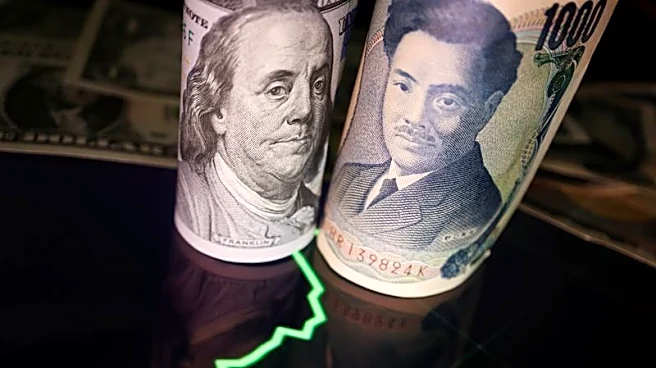
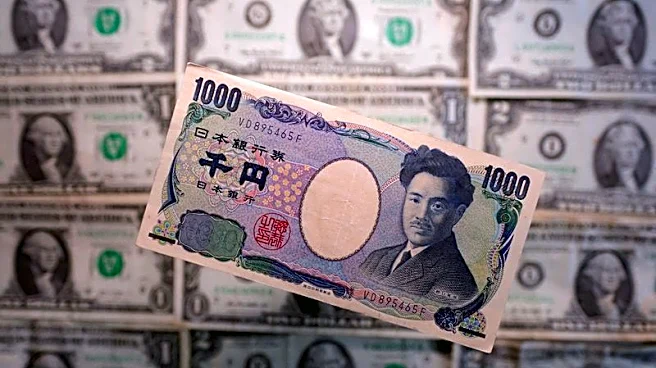
The U.S. Treasury has executed an unusual intervention in the foreign-exchange market to support the Japanese yen, which has fallen to a 40-year low against the dollar. This intervention, confirmed by the Trump administration, involved purchasing yen using
euros instead of dollars, marking a departure from traditional methods. The move is part of a joint effort with Japan to stabilize the yen, which had reached nearly 164 per dollar. This is the first U.S. intervention in the foreign-exchange market since 2011. The strategy aims to reduce volatility and correct exchange-rate imbalances, though it has raised questions about the broader implications for U.S. trade policy and global financial stability.
Why It's Important?
This intervention highlights the interconnectedness of global currency and bond markets and the strategic use of foreign-exchange operations to influence economic conditions. By using euros instead of dollars, the U.S. Treasury signals a potential shift in the role of the dollar in international finance, which could have significant implications for global trade and economic policy. The move also underscores the challenges faced by major economies in managing currency stability amid fluctuating market conditions. For Japan, the world's largest holder of U.S. Treasury securities, this intervention could alleviate pressure to sell bonds, thereby maintaining financial stability. However, the unconventional nature of the intervention may prompt further scrutiny and debate among international regulators and financial stakeholders.