


What's Happening?
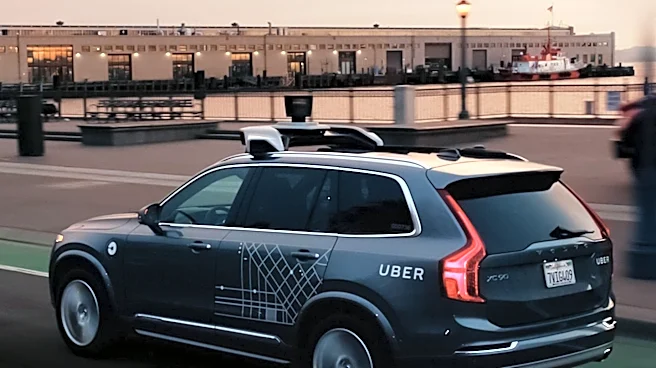
Nuro has commenced driverless testing of Lucid Gravity robotaxis on public roads in four South Bay cities: Palo Alto, Mountain View, Los Altos, and Sunnyvale. This marks a significant step in the partnership between Nuro, Uber, and Lucid. Over 100 Lucid Gravity SUVs
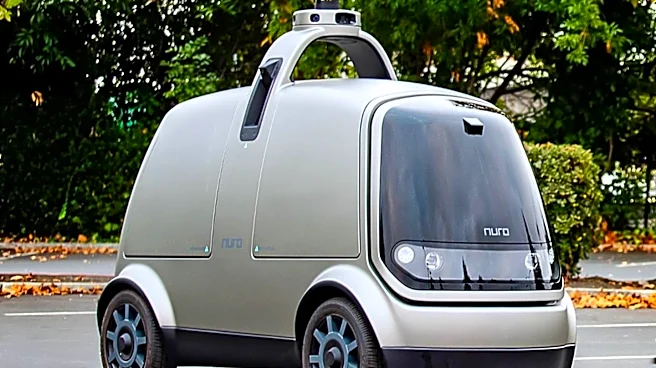
have been delivered for this program. While Nuro has previously operated driverless delivery pods in California since 2020, this is its first venture into driverless passenger vehicles. The company had been testing these robotaxis with a safety driver in the Bay Area and Houston since December 2025. Before removing the safety drivers, Nuro conducted extensive no-vehicle-operator testing at its Las Vegas closed course, simulating various scenarios including pedestrian encounters and right-of-way violations. Nuro is one of only six companies permitted by the California DMV to test vehicles without a driver on California roads. Uber employees are expected to begin riding in these driverless vehicles soon.
Why It's Important?
This development is crucial for the advancement of autonomous vehicle technology and its integration into mainstream transportation services in the U.S. The partnership between Nuro, Uber, and Lucid signifies a substantial investment in the future of ride-hailing, with Uber committing to deploy at least 35,000 Lucid vehicles equipped with Nuro's autonomous technology. This scale could significantly impact the automotive manufacturing sector, particularly for Lucid, which delivered 3,806 vehicles in Q3 2026. A successful deployment could provide Lucid with the volume needed to support its production goals and potentially accelerate the development of more affordable electric vehicle models. For consumers, the expansion of driverless robotaxi services offers the promise of increased convenience and potentially lower transportation costs, although the public launch has been pushed back to Q1 2027. The regulatory approval from the California DMV and CPUC also sets a precedent for other autonomous vehicle companies seeking to operate driverless services.
What's Next?
Nuro plans to expand driverless testing to more Bay Area cities next year, following the current operations in Palo Alto, Mountain View, Los Altos, and Sunnyvale. Uber employees will soon have the opportunity to ride in these driverless vehicles as part of the testing phase. The public launch of the driverless robotaxi service, initially anticipated for 2026, is now projected for the first quarter of 2027. This timeline adjustment suggests ongoing refinement and safety validation are still underway. The success of this initial driverless deployment will likely influence the pace and scope of future expansions, including the deployment of the 35,000 Lucid vehicles committed by Uber. The performance and safety record of Nuro's driverless Lucid Gravity robotaxis will be closely monitored by regulators, competitors, and the public, potentially shaping the future regulatory landscape for autonomous vehicles in California and beyond.
Beyond the Headlines
The move to driverless operation by Nuro highlights the increasing maturity of autonomous vehicle technology, particularly in the passenger transport sector. While Nuro has experience with driverless delivery pods, transitioning to passenger vehicles introduces new complexities related to passenger safety, comfort, and public perception. The delay in the public launch, though minor, underscores the challenges and meticulous safety protocols required before widespread adoption. This initiative also intensifies the competition within the autonomous ride-hailing market, where companies like Waymo already operate paid, fully driverless services in the Bay Area. The ethical implications of autonomous decision-making in complex traffic situations and the potential impact on human employment in the transportation sector will continue to be significant considerations as these technologies advance. Furthermore, the partnership's success could influence investment and innovation in electric vehicle manufacturing, pushing for greater efficiency and affordability in the EV market.