







What's Happening?
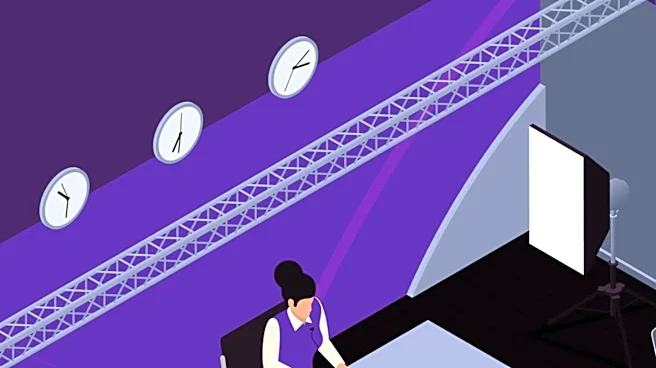
The selection process for new late-night talk show hosts involves a multi-step review by executive producers and talent executives, focusing on several key criteria. Networks look for candidates with proven on-camera experience, relatability, and a distinct
comedic voice, often developed through correspondent roles, digital shorts, or podcasts. The evaluation includes assessing on-camera charisma and pacing, writing instincts for both topical and evergreen jokes, and compatibility with producers and head writers. Additionally, a candidate's social media reach is considered, though it should not overshadow the show itself. Platform considerations, such as time zone, taping logistics, and the show's format (traditional desk-driven or hybrid), also influence the final decision. Career paths leading to late-night hosting are varied, with some hosts emerging from correspondent roles, others from digital content creation, and some from stand-up or theatrical writing backgrounds.
Why It's Important?
The selection of late-night talk show hosts is crucial for shaping the landscape of nightly television, influencing public discourse, and driving audience engagement. These hosts are responsible for delivering monologues, conducting celebrity interviews, and performing comedy sketches that often reflect and comment on current events. Their ability to connect with audiences and maintain relevance directly impacts network ratings and advertising revenue. The emphasis on social media reach highlights the evolving media consumption habits and the need for hosts to engage viewers across multiple platforms. The rigorous selection process ensures that networks invest in individuals who can sustain a show's popularity over time, contributing to the cultural conversation and providing a platform for entertainment and commentary in the U.S. media market.
What's Next?
Once a host is selected, they typically undergo a structured onboarding period that includes desk reads, audience tests, and production run-throughs. This phase may involve taping short pilots or digital warm-up segments before a full primetime premiere. Early episodes are designed to introduce the host's personality, establish recurring segments, and fine-tune the balance between comedy and interviews. Networks plan strategic promotional campaigns, utilizing social media snippets and guest reveals to generate and maintain interest. The success of new hosts is measured by initial benchmarks such as social engagement and audience retention, with long-term indicators including consistent monologue strength, identifiable recurring segments, and impactful interviews. Networks continuously monitor ratings and critical reception to make adjustments to the show's format, staffing, or promotional strategies.
Beyond the Headlines
The process of selecting late-night hosts reflects broader trends in the entertainment industry, particularly the increasing importance of digital presence and a host's ability to cultivate a personal brand beyond traditional television. The emphasis on 'compatibility with producers and head writers' underscores the collaborative nature of late-night television and the need for a cohesive creative team. The varied career paths into hosting roles suggest a shift away from a single, traditional route, opening doors for talent from diverse backgrounds, including digital-first creators and those with adjacent talk experience. This evolution in host selection can lead to more diverse voices and perspectives in late-night programming, potentially broadening its appeal and relevance to a wider audience in the U.S. The competitive nature of late-night television also highlights the significant pressure on new hosts to quickly establish their unique voice and connect with viewers.