









What's Happening?
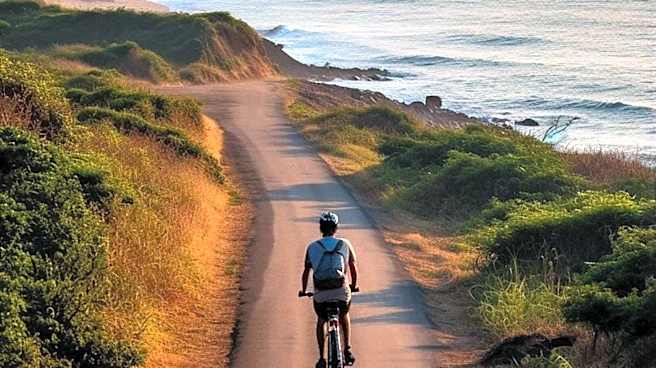
The Adventure Cycling Association has announced an updated itinerary for its popular Pacific Coast Epic tour in 2027. This tour, which allows cyclists to ride from Canada to Mexico along the Pacific Coast Route, is known for selling out quickly. A significant
update for the 2027 tour is the reincorporation of the Big Sur section, which was closed during parts of 2025. The tour operates on a 'van-supported' model, meaning a support vehicle carries participants' gear, allowing them to ride with minimal load. However, riders are advised that the support van does not always follow the same route as the cyclists and may not be seen until the day's destination. The organization emphasizes a philosophy of being 'travelers, not tourists,' encouraging active participation from all members in group tasks such as cooking and shopping. They also highlight that accommodations can vary widely, including campgrounds, hostels, Airbnb hosts, and communal spaces like community centers.
Why It's Important?
This updated tour is important for the U.S. cycling community and adventure tourism sector. The Pacific Coast Route is a premier cycling journey, and its full restoration, particularly the Big Sur section, enhances the appeal and completeness of the experience for participants. The 'van-supported' model makes long-distance cycling more accessible to a broader range of enthusiasts, as it alleviates the burden of carrying heavy gear, potentially attracting more individuals to multi-day cycling adventures. The Adventure Cycling Association's emphasis on community and active participation fosters a unique travel experience that goes beyond typical tourism, promoting deeper engagement with the regions traversed. This approach can also contribute to local economies along the route, as participants engage with various communities for accommodations and supplies. The quick sell-out rate of this tour underscores the high demand for organized, long-distance cycling events in the U.S., indicating a robust interest in active and immersive travel experiences.
What's Next?
Prospective participants for the 2027 Pacific Coast Epic tour should monitor the Adventure Cycling Association's announcements for registration details, given the tour's history of selling out rapidly. The organization encourages interested individuals to reach out with any questions regarding the unique accommodation arrangements, which can include communal spaces. The success of this updated itinerary could influence future tour offerings and route developments by the Adventure Cycling Association, potentially leading to the expansion of similar 'epic' tours across other scenic U.S. routes. The re-opening of the Big Sur section also signals a positive development for regional tourism and infrastructure along the California coast, benefiting local businesses and communities that cater to travelers. The association's commitment to its 'travelers, not tourists' philosophy suggests a continued focus on community engagement and shared responsibility among participants in future endeavors.
Beyond the Headlines
The Adventure Cycling Association's approach to its tours, particularly the Pacific Coast Epic, reflects a broader trend in travel towards experiential and community-focused adventures. By encouraging participants to take ownership of group tasks and embrace diverse accommodations, the tour fosters a sense of camaraderie and resilience that goes beyond a typical vacation. This model can have significant social implications, promoting teamwork, adaptability, and a deeper appreciation for the varied landscapes and communities of the U.S. It also highlights the growing interest in sustainable and active forms of tourism, which can have a lower environmental impact compared to more conventional travel. The tour's popularity underscores the value many individuals place on challenging themselves physically while connecting with nature and fellow adventurers. Furthermore, the re-opening of iconic routes like Big Sur for cycling tours contributes to the cultural narrative of American road trips and outdoor exploration, reinforcing the importance of preserving natural and scenic corridors for recreational use.