





What's Happening?
U-channels, metal profiles with a U-shaped cross-section, are widely used in construction, fencing, and other applications. These channels are available in various materials, including steel, aluminum, and stainless steel, each offering distinct properties.
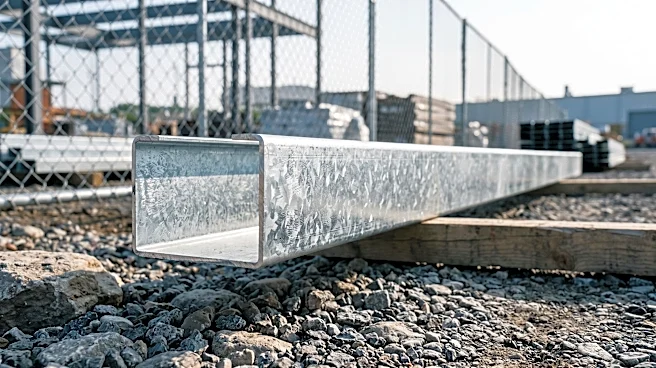
Steel U-channels are valued for their strength and rigidity, making them suitable for structural uses. However, untreated steel is susceptible to rust when exposed to moisture. To counteract this, galvanized U-channels feature a zinc coating that provides protection against corrosion. This zinc coating makes galvanized steel U-channels a viable option for certain outdoor applications, including fencing systems. The effectiveness of this protection is dependent on the quality of the coating, the level of exposure to environmental elements, and proper installation and maintenance practices. The choice of U-channel material and type is critical and depends on the specific application, required load capacity, and environmental conditions.
Why It's Important?
The use of galvanized steel U-channels is important for U.S. industries involved in construction, infrastructure development, and fencing. Corrosion is a significant issue that can compromise the structural integrity and lifespan of metal components, leading to increased maintenance costs and potential safety hazards. By utilizing zinc-coated steel, businesses can ensure greater durability and longevity of their products and projects, particularly in outdoor or moisture-prone environments. This translates to reduced material replacement frequency and lower long-term expenses for consumers and industries. The ability to select the appropriate U-channel material, such as galvanized steel for outdoor use, allows for optimized performance and cost-efficiency in various applications, from large-scale construction to residential fencing. This also impacts the supply chain for raw materials and manufacturing processes, as demand for specific types of treated steel fluctuates based on project requirements.
What's Next?
The continued development and adoption of advanced protective coatings for steel, including improved galvanization techniques, are expected. Manufacturers will likely focus on enhancing the durability and environmental resistance of U-channels to meet evolving industry standards and consumer demands. Research into alternative corrosion-resistant materials and composite solutions may also emerge, offering new options for applications where traditional steel or galvanized steel might have limitations. Furthermore, as construction and infrastructure projects continue across the U.S., there will be an ongoing need for reliable and long-lasting materials, driving innovation in the U-channel market. Industry standards and best practices for installation and maintenance of galvanized steel products will also continue to be refined to maximize their protective benefits and extend their service life.
Beyond the Headlines
The widespread use of galvanized steel U-channels highlights a broader commitment to material science and engineering in addressing practical challenges like corrosion. This extends beyond immediate cost savings to encompass environmental considerations, as longer-lasting materials reduce waste and the need for frequent replacements. The choice of materials in construction and manufacturing also reflects a balance between performance, cost, and sustainability. The reliance on zinc coatings for steel protection is a testament to the effectiveness of established metallurgical processes. This also underscores the importance of understanding material properties and environmental factors in engineering design, ensuring that components are not only functional but also resilient to the conditions they will face throughout their operational life. The continuous improvement in such fundamental materials has a ripple effect on the overall quality and safety of built environments.