





What's Happening?
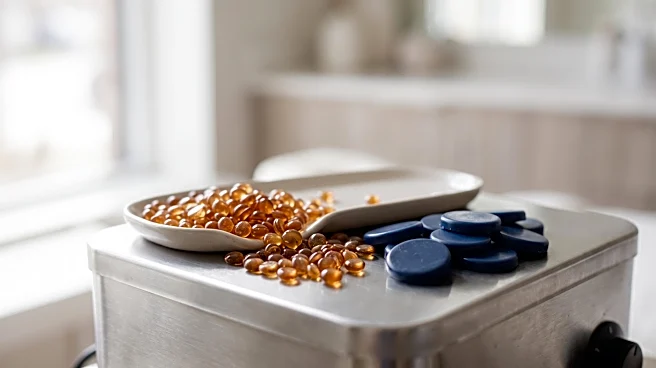
The professional waxing industry is evaluating the impact of hard wax format—beads versus discs—on salon and spa workflow efficiency. While both are solid forms of stripless wax, their physical shape before melting can influence aspects like melting speed,
portion control, and refilling warmers. Hard wax beads, typically small pellets, offer flexibility in incremental additions and may melt more evenly due to greater surface area. Hard wax discs, which are flatter and wider, can be convenient for individual handling and predictable replenishment. However, the ultimate performance of the wax, once melted, depends more on its formulation—such as flexibility, working temperature, and viscosity—rather than its initial shape. Professionals are advised to consider their specific service needs, warmer capacity, and technician preferences when choosing between these formats to optimize their operations.
Why It's Important?
For U.S. salons, spas, and waxing businesses, the choice between hard wax beads and discs has practical implications for operational efficiency and profitability. Efficient workflow directly impacts client scheduling, technician productivity, and overall service quality. Optimizing melting times and portion control can reduce product waste and ensure consistent service delivery, which is crucial for client satisfaction and retention. The ability to quickly and cleanly refill warmers without disrupting appointments contributes to a smoother client experience and allows businesses to handle higher volumes. Ultimately, making an informed decision about wax format can lead to cost savings, improved staff convenience, and a more professional image, directly affecting the bottom line in a competitive beauty industry.
What's Next?
The industry will likely see continued innovation in wax formulations and packaging to further enhance workflow efficiency. Manufacturers may develop new wax formats or improve existing ones to address specific professional needs, such as faster melting or easier storage. Salons and spas are expected to conduct more in-house testing to determine which format best suits their unique operational demands, client volume, and service offerings. Training programs for estheticians may increasingly incorporate best practices for wax handling and warmer management, regardless of the wax format. Additionally, there could be a greater emphasis on standardized refill procedures and inventory management to minimize waste and maximize productivity across professional waxing establishments.
Beyond the Headlines
Beyond the immediate operational benefits, the discussion around wax formats reflects a broader trend in the professional beauty industry towards meticulous optimization of every aspect of service delivery. This focus on seemingly minor details underscores the high standards of professionalism and client experience expected in the U.S. beauty market. It highlights how even small efficiencies can contribute to a brand's reputation and competitive edge. Furthermore, it emphasizes the importance of product knowledge and continuous evaluation for beauty professionals, moving beyond generic product choices to a more scientific and data-driven approach to salon management. This trend could influence other sectors of the beauty industry to scrutinize their tools and materials for similar gains in efficiency and quality.