







What's Happening?
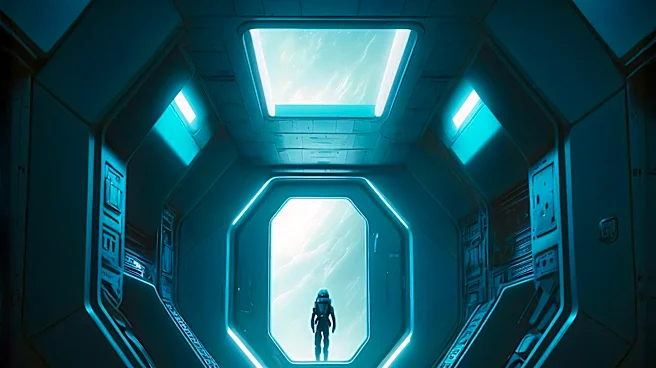
The Halo TV series, a science fiction adaptation, is continuing its run, with its second season now available for streaming. The series is accessible on Paramount+ through Prime Video. Discussions surrounding the show often focus on its cast, characters,
and storyline, particularly its connection to the established Halo video game timeline. While specific details regarding exact cast members or intricate plot points are not extensively detailed, the series aims to bring the popular video game universe to a television audience. This ongoing adaptation represents a significant venture into translating a beloved gaming franchise into a long-form visual narrative, catering to both existing fans and new viewers interested in the sci-fi genre.
Why It's Important?
The continuation of the Halo TV series is important for several reasons within the entertainment industry and for fans of the franchise. For the entertainment sector, it highlights the ongoing trend of adapting successful video game intellectual properties into television series, demonstrating the perceived value and audience demand for such content. The availability on Paramount+ via Prime Video also underscores the competitive landscape of streaming services and their strategies to attract and retain subscribers through exclusive and high-profile content. For the Halo franchise, the series expands its narrative reach beyond gaming, potentially introducing the universe to a broader demographic and solidifying its cultural footprint. The success or challenges of this adaptation can influence future decisions regarding video game-to-screen projects, impacting how studios approach such ventures and the resources they allocate.
What's Next?
As the Halo TV series progresses, future developments will likely involve continued discussions and analyses of its narrative choices, character portrayals, and adherence to the established lore of the video games. Viewership numbers and critical reception will play a crucial role in determining the series' long-term trajectory, including the potential for additional seasons or spin-offs. The creative team may also address fan feedback regarding the adaptation's direction and how it balances faithfulness to the source material with new storytelling elements. Furthermore, the series' performance could influence Paramount+'s content strategy on Prime Video, potentially leading to more collaborations or exclusive releases of similar high-budget sci-fi adaptations to attract and engage subscribers.
Beyond the Headlines
The Halo TV series delves into the broader implications of adapting a deeply entrenched video game narrative for a new medium. This process often involves navigating the delicate balance between satisfying a dedicated fan base, which has specific expectations and emotional investments in the original story and characters, and attracting a new, broader audience that may not be familiar with the source material. The series' approach to the Halo timeline and its character interpretations can spark debates about creative license versus canonical fidelity. Ethically, it raises questions about the responsibility of creators when reinterpreting beloved stories and the potential impact on the original property's legacy. Culturally, the series contributes to the ongoing evolution of transmedia storytelling, where narratives seamlessly flow across different platforms, influencing how audiences consume and interact with fictional universes.