






What's Happening?
Archer Aviation (ACHR) stock experienced a significant decline, falling 61.7% in the year leading up to October 30, 2026, while the S&P 500 saw a 12.4% return during the same period. This drop was influenced by several factors, including shareholder dilution.
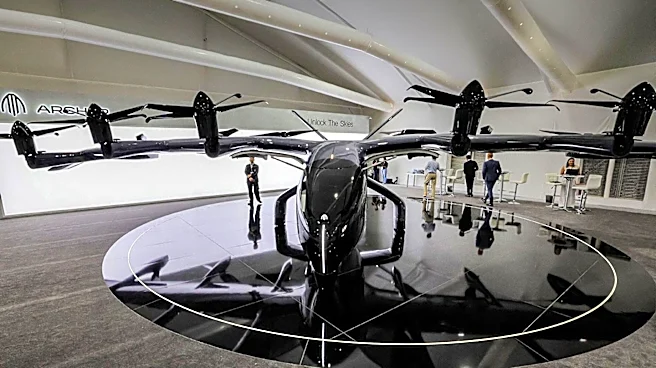
The company reported 782 million diluted shares over the twelve months to June 2026, a 35% increase from the previous year, meaning each share represents a smaller portion of the company. An investment analysis from April 8, 2026, highlighted that shareholder dilution, manufacturing delays, and missed launch dates in the UAE contributed to the stock's underperformance. Furthermore, Archer Aviation posted a substantial operating loss of $943 million over the twelve months to June 2026, an increase from $566 million a year earlier, as it continued flight testing its Midnight air taxi. The company generated $6.9 million in revenue over the same period, up from almost nothing a year prior.
Why It's Important?
The significant decline in Archer Aviation's stock price and its substantial operating losses highlight the financial challenges faced by companies in the nascent urban air mobility sector. Shareholder dilution, a common occurrence for growth-stage companies raising capital, can erode investor confidence and reduce the value of existing holdings. The large operating losses indicate the substantial investment required for research, development, and certification of eVTOL aircraft, which can strain a company's financial resources before commercial operations begin. This situation is not unique to Archer, as competitors like Joby Aviation and Eve also experienced significant stock declines, suggesting broader market skepticism or challenges within the industry. The financial performance of these pioneers is crucial for attracting future investment and demonstrating the viability of electric air taxis as a sustainable business model, impacting the pace of innovation and adoption in the U.S. and global aviation markets.
What's Next?
Archer Aviation's future financial performance will be closely watched, particularly regarding its cash burn and the impact of its recent deal to acquire three Boeing-owned companies. This acquisition, announced on August 10, 2026, involves Boeing receiving Archer stock as payment, which will further add to the share count upon closing. Management expects the deal to close by the end of 2026 and aims to keep cash burn relatively flat after the integration. The profitability of Insitu, one of the acquired companies with over $200 million in annual revenue, is expected to provide Archer with an immediate and sizable revenue base. Investors will be monitoring Archer's quarterly free cash flow, which was an outflow of $193 million in fiscal Q2 2026, when the company reports its next results in November 2026. The success of integrating the acquired businesses and managing operational costs will be critical for Archer Aviation to improve its financial standing and regain investor confidence.
Beyond the Headlines
The financial struggles of Archer Aviation and its peers underscore the inherent risks and long development cycles associated with pioneering new transportation technologies. The urban air mobility sector, while promising, requires immense capital investment, faces stringent regulatory hurdles, and demands significant technological breakthroughs. The stock performance reflects investor sentiment, which can be highly volatile in emerging markets, often reacting to news of delays, certification challenges, and funding rounds. Beyond the immediate financial implications, the industry's ability to overcome these early challenges will determine its long-term viability and its potential to revolutionize urban transport. The ongoing flight testing and certification processes are not just technical milestones but also critical trust-building exercises for both regulators and the public. The eventual success or failure of these companies will shape future investment trends in sustainable aviation and influence the broader adoption of electric aerial vehicles.