



What's Happening?
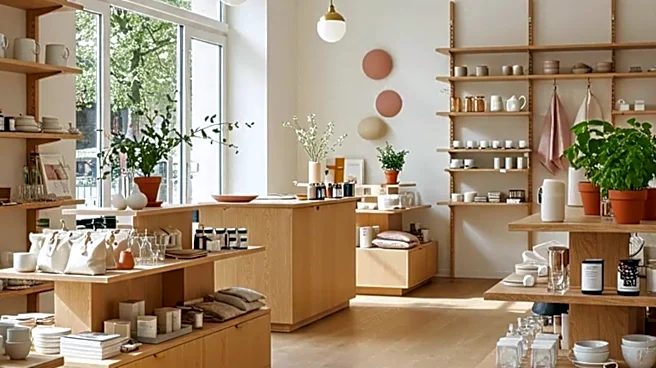
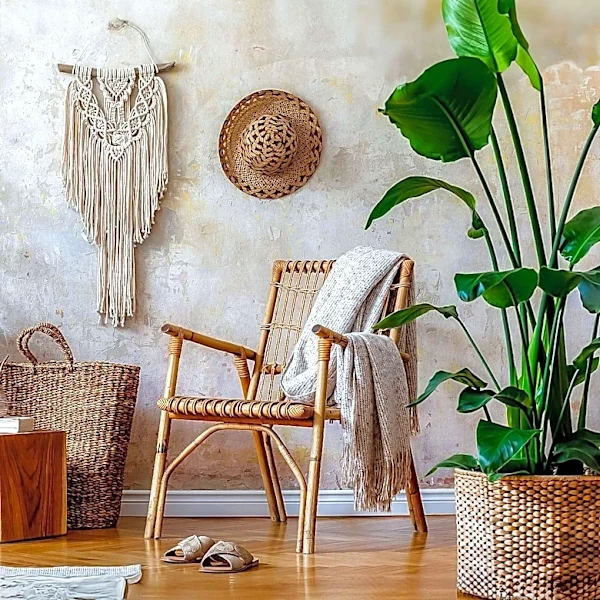
Homeware is increasingly being integrated into broader lifestyle retail concepts, moving beyond traditional product-focused sales. For instance, Poetry's new store in Paarl, South Africa, combines fashion, furniture, homeware, and décor to offer a more
holistic lifestyle experience. This approach aims to position retail spaces as destinations where consumers can engage with a curated selection of products that reflect a particular aesthetic or way of living. The store design itself, repurposing a former bank building, contributes to this experience by blending heritage architecture with contemporary retail elements. This strategy emphasizes creating an environment where personal style extends beyond clothing to encompass home furnishings and decorative items, fostering a more immersive shopping journey for customers.
Why It's Important?
This shift in homeware retail signifies a broader trend towards experiential shopping, where the act of purchasing is intertwined with lifestyle aspirations and brand identity. For U.S. retailers, this model could offer a competitive edge against online-only stores by providing a unique in-person experience that cannot be replicated digitally. It encourages longer dwell times in stores and potentially higher sales as customers are exposed to a wider range of complementary products. This approach also allows brands to cultivate a stronger emotional connection with consumers, transforming shopping into a leisure activity rather than a mere transaction. Businesses that successfully adopt this integrated lifestyle concept stand to gain customer loyalty and differentiate themselves in a crowded market, while those that stick to traditional retail models might struggle to attract and retain modern consumers seeking more engaging experiences.
What's Next?
The success of integrated lifestyle retail concepts like Poetry's could prompt more U.S. homeware and fashion retailers to explore similar strategies. This might involve redesigning existing stores to incorporate diverse product categories, partnering with complementary brands, or creating unique in-store experiences such as cafes or workshops. Retailers may also focus on curating product selections that tell a cohesive story, reflecting specific design trends or lifestyle themes. The emphasis will likely be on creating inviting and inspiring environments that encourage discovery and exploration, moving away from purely transactional retail spaces. This evolution could lead to a more dynamic and engaging retail landscape for consumers, offering richer shopping experiences.
Beyond the Headlines
The integration of homeware into lifestyle concepts reflects a deeper cultural shift where personal identity is increasingly expressed through consumer choices, particularly in home environments. This trend blurs the lines between fashion, interior design, and personal branding, suggesting that consumers view their homes as extensions of their personal style and values. The ethical implications of this trend could include increased consumption driven by aspirational marketing, but also an opportunity for brands to promote sustainable and ethically sourced homeware as part of a conscious lifestyle. Furthermore, this approach could foster a greater appreciation for craftsmanship and design, as consumers seek unique and meaningful items that contribute to their desired living aesthetic.