









What's Happening?
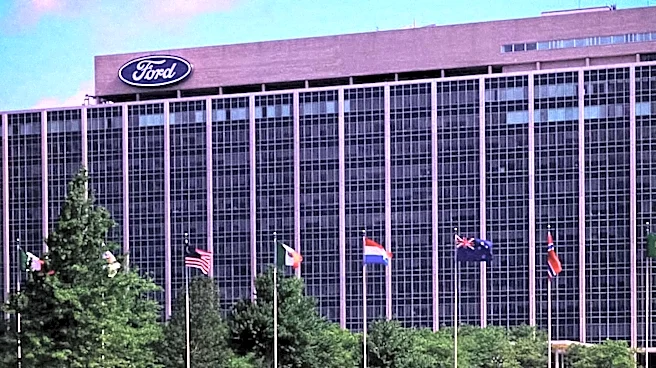
A class-action lawsuit has been filed against Ford by a California man, Jason Bullock, who claims the automaker owes him a refund for passing tariff-related costs onto customers. The lawsuit, filed in Michigan federal court, argues that Ford increased
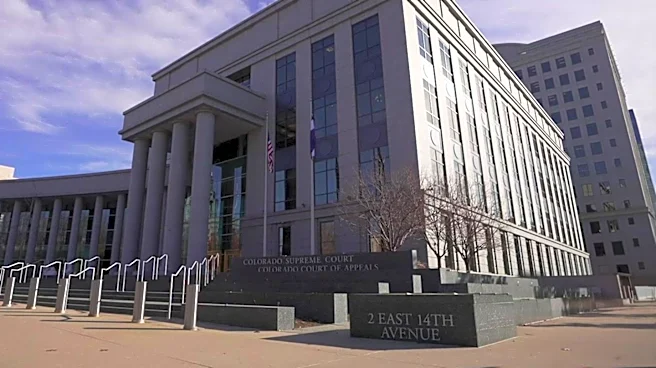
vehicle prices and destination charges to offset the costs of tariffs imposed during President Trump's administration. The U.S. Supreme Court recently struck down these tariffs, ruling that the International Emergency Economic Powers Act did not authorize the president to impose such tariffs. As a result, the federal government has agreed to refund the duties paid by companies, which for Ford amounts to approximately $1.3 billion. The plaintiff contends that customers should receive a portion of this refund, as they bore the financial burden of the tariffs.
Why It's Important?
The lawsuit against Ford highlights the broader implications of tariff policies on consumers and businesses. If successful, the case could set a precedent for other companies facing similar lawsuits, such as Nike, Amazon, and Costco, which are also accused of passing tariff costs onto consumers. The outcome could influence how companies handle tariff-related costs in the future and potentially lead to significant financial liabilities for businesses that have already collected tariff-related price increases from customers. Additionally, the case underscores the impact of judicial decisions on trade policies and their economic consequences, as the Supreme Court's ruling has prompted the government to issue substantial refunds to affected companies.
What's Next?
The legal proceedings will determine whether Ford and potentially other companies will be required to distribute tariff refunds to customers. The case could influence future corporate strategies regarding tariff-related pricing and consumer protection. As the lawsuit progresses, other companies facing similar allegations may adjust their legal and financial strategies in anticipation of potential liabilities. The outcome could also prompt legislative or regulatory changes to address how tariff costs are managed and communicated to consumers.