


What's Happening?
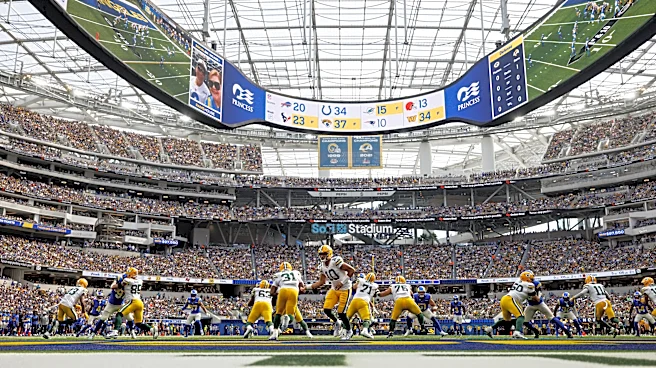
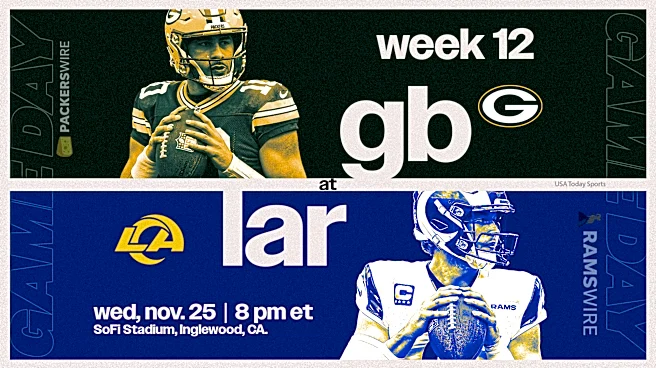
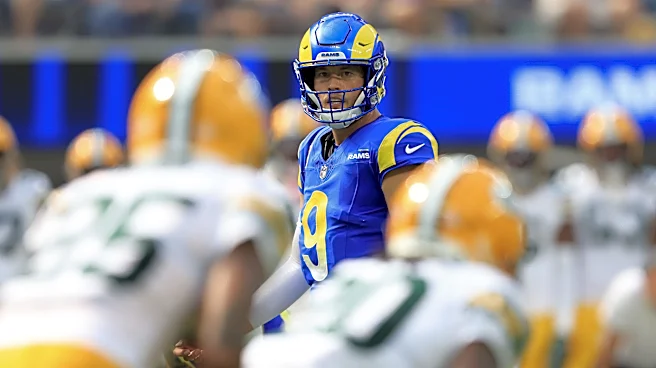
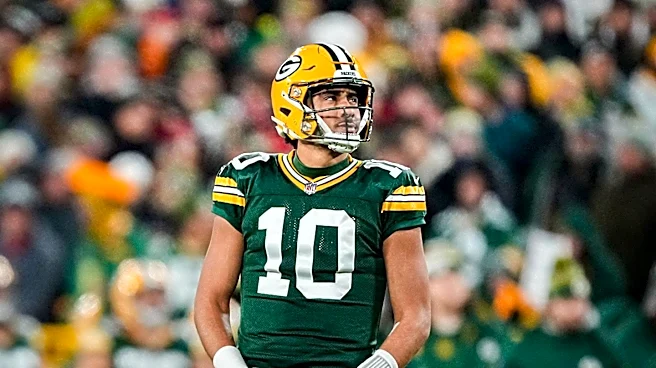
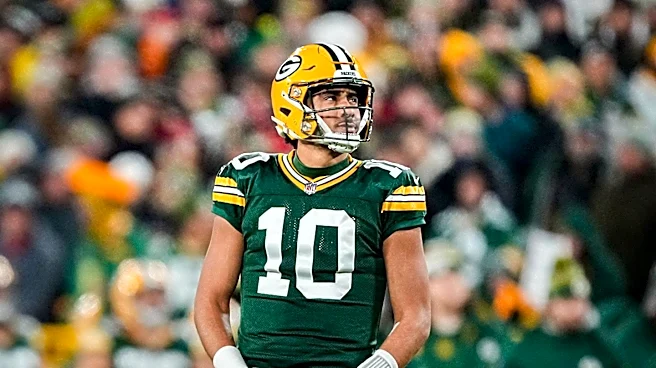
Netflix has unveiled its broadcast lineup for the upcoming NFL game between the Green Bay Packers and the Los Angeles Rams, scheduled for Thanksgiving Eve. The streaming platform, which began its foray into football broadcasting in 2024, has secured five
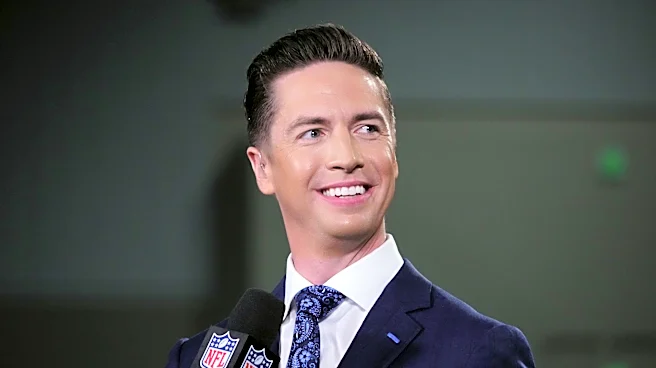
NFL games in 2026, including two on Christmas Day and this prominent Thanksgiving Eve slot. The broadcast booth will feature Noah Eagle as the play-by-play announcer and Luke Kuechly as the analyst. The studio team includes Elle Duncan, Michael Irvin, Nick Foles, and Clay Matthews. Sideline reporting will be handled by Tom Pelissero and MJ Acosta-Ruiz, with Terry McAulay serving as the rules analyst. This announcement highlights Netflix's continued expansion into live sports content, leveraging well-known personalities from the sports media landscape to enhance its NFL coverage. The platform aims to solidify its position in the competitive sports broadcasting industry by offering a unique viewing experience for these high-profile games.
Why It's Important?
This move by Netflix is significant as it further blurs the lines between traditional television broadcasting and streaming services for major live sports events. By investing in a high-caliber broadcast team and securing exclusive NFL games, Netflix is directly competing with established sports networks. This strategy could reshape how American audiences consume professional football, potentially accelerating the shift from cable to streaming platforms for live sports. For the NFL, partnering with Netflix allows them to reach a broader, potentially younger, and more digitally native audience, expanding their viewership beyond traditional television subscribers. This also creates new revenue streams and opportunities for innovative broadcast presentations. The involvement of prominent figures like Michael Irvin and Nick Foles adds credibility and appeal, drawing in viewers who might be accustomed to their presence on other sports media outlets. The success of these broadcasts could influence future negotiations for sports rights, potentially leading to more exclusive content migrating to streaming services.
What's Next?
The immediate next step is the broadcast of the Packers vs. Rams game on Thanksgiving Eve, which will serve as a key test for Netflix's production capabilities and audience reception. Following this, the performance and viewership numbers of Netflix's NFL games, including the two Christmas Day matchups, will be closely scrutinized by both the streaming industry and sports leagues. Positive outcomes could lead to Netflix pursuing more extensive NFL packages or other major sports rights in the future. Competitors in the streaming and traditional broadcasting sectors will likely observe Netflix's strategy and adjust their own approaches to live sports acquisition and production. The NFL will also evaluate the effectiveness of this partnership in reaching new demographics and potentially consider expanding its streaming collaborations. The success of this venture could set a precedent for how major sports leagues distribute their content in an increasingly digital media landscape.
Beyond the Headlines
Netflix's aggressive push into live sports, particularly with the NFL, signifies a broader strategic shift for the company beyond its traditional on-demand entertainment model. This move reflects the increasing importance of live content, especially sports, in attracting and retaining subscribers in a saturated streaming market. The ethical implications of this shift include potential changes in accessibility for viewers, as exclusive content may require multiple subscriptions, fragmenting the viewing experience. Legally, the acquisition of major sports rights by non-traditional broadcasters could lead to new regulatory challenges and debates over fair competition in the media industry. Culturally, this could accelerate the decline of linear television as the primary source for live events, further embedding streaming services into the daily lives of American consumers. Long-term, this trend could lead to a complete overhaul of the sports broadcasting ecosystem, with streaming platforms becoming dominant players and potentially dictating new standards for content delivery and fan engagement.