


What's Happening?
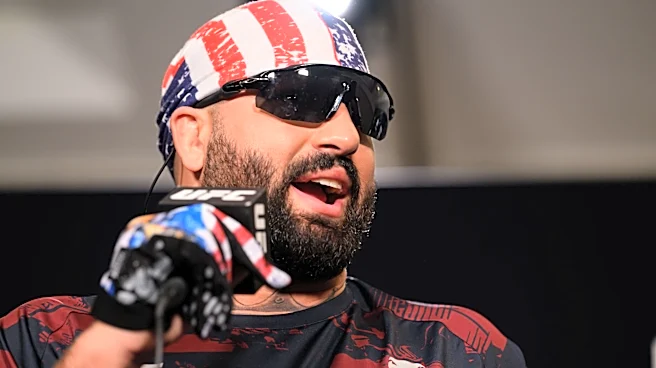
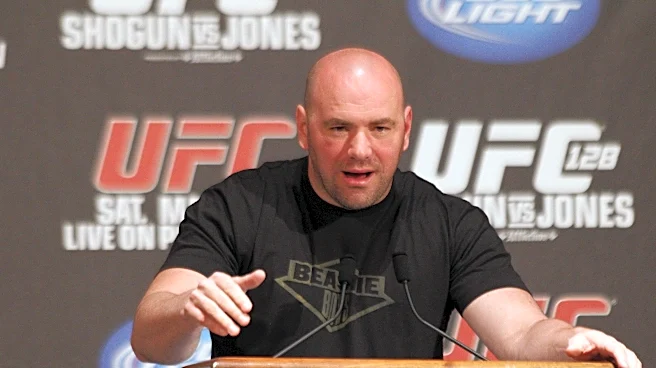
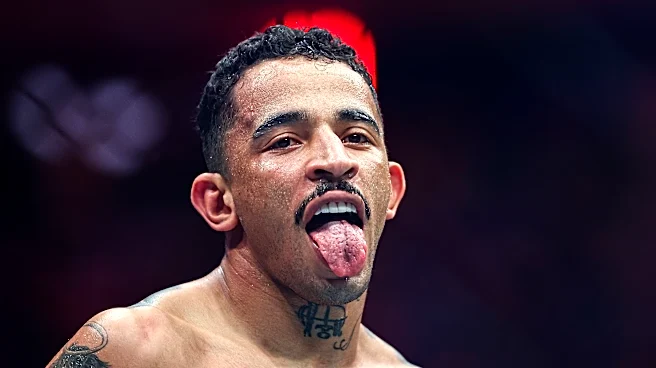
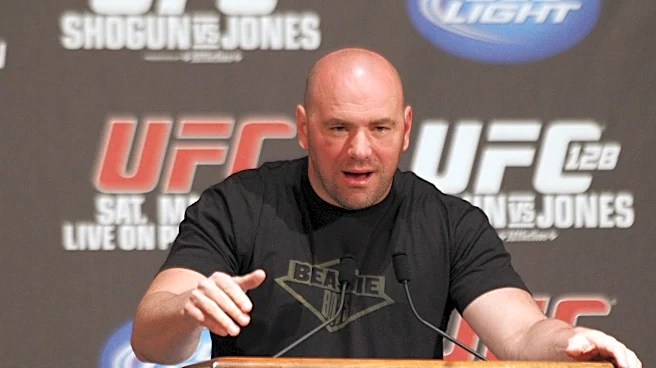
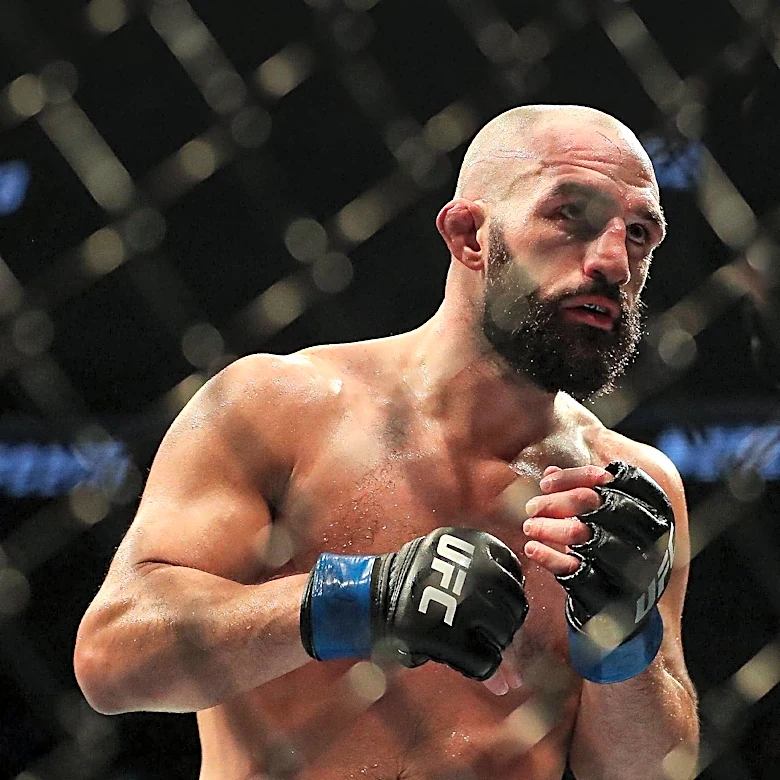
UFC CEO Dana White has admitted that he may have made Josh Hokit's journey to an Ultimate Fighting Championship heavyweight title shot more challenging because he disliked some of the unbeaten contender's comments. Speaking on "The Jim Rome Show," White acknowledged
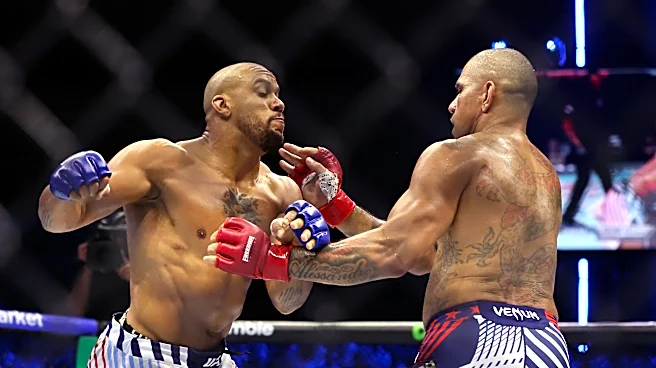
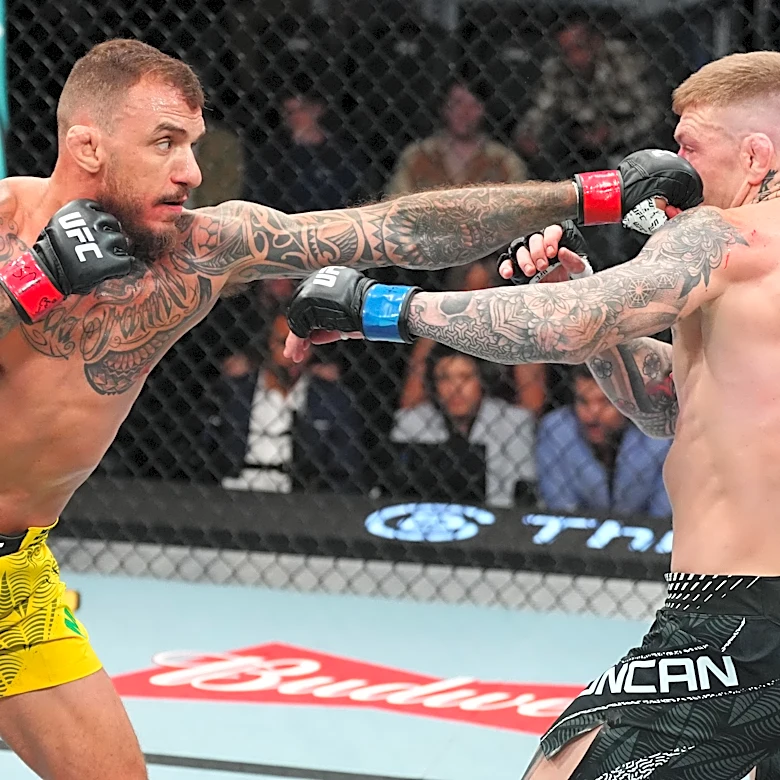
overlooking Hokit, stating, "I didn't like some of the things he said, so I might have threw some tough guys at him, and he passed every test, and here he is." Despite this, Hokit (10-0) has earned his title opportunity and is now set to challenge Ciryl Gane (14-2) for the heavyweight championship in the main event of UFC 334 on November 14 at Madison Square Garden in New York. Hokit has had a successful 2026, defeating Denzel Freeman, earning a unanimous decision over Curtis Blaydes at UFC 327, and stopping former title challenger Derrick Lewis by second-round technical knockout at UFC Freedom 250.
Why It's Important?
This admission by Dana White reveals a significant aspect of the power dynamics within the UFC, where the personal opinions of the CEO can directly influence a fighter's career trajectory and matchmaking. It highlights the subjective element that can exist in a sport often perceived as purely meritocratic. For fighters, this underscores the importance of not only their performance in the octagon but also their public persona and interactions with the promotion's leadership. While Hokit ultimately overcame these challenges to earn his title shot, White's comments suggest that other fighters might face similar, unacknowledged hurdles. This situation could raise questions about fairness and equal opportunity within the UFC, potentially impacting fighter relations and the perception of the organization's integrity among fans and athletes alike. It also emphasizes White's hands-on approach to managing the league and its talent.
What's Next?
Josh Hokit is scheduled to challenge Ciryl Gane for the heavyweight championship at UFC 334 on November 14 at Madison Square Garden. This fight will be a culmination of Hokit's challenging path to the title shot, as acknowledged by Dana White. The outcome of this championship bout will significantly impact the heavyweight division. White's public admission may lead to further discussions within the MMA community regarding the influence of personal opinions on matchmaking and fighter careers. Future interactions between White and fighters, particularly those who are outspoken, will likely be scrutinized more closely. The incident could also prompt fighters to be more mindful of their public statements and their potential impact on their standing with the UFC's leadership.
Beyond the Headlines
Dana White's candid admission about his personal feelings influencing matchmaking delves into the ethical considerations of leadership in professional sports. It blurs the lines between objective athletic assessment and subjective personal judgment, potentially setting a precedent where a promoter's personal biases could be seen as a factor in career progression. This raises broader questions about accountability and transparency in sports organizations, particularly when a single individual holds such significant power. While White's honesty is notable, it also highlights the potential for arbitrary decision-making to affect athletes' livelihoods and dreams. This dynamic could foster an environment where fighters feel compelled to conform to certain behaviors or public statements to avoid disfavor, potentially stifling genuine expression and personality within the sport.