




What's Happening?
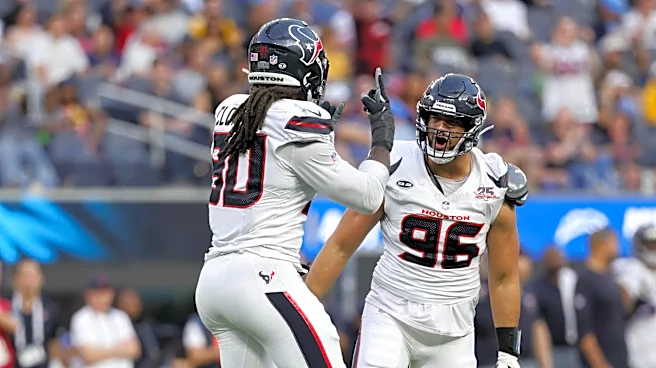
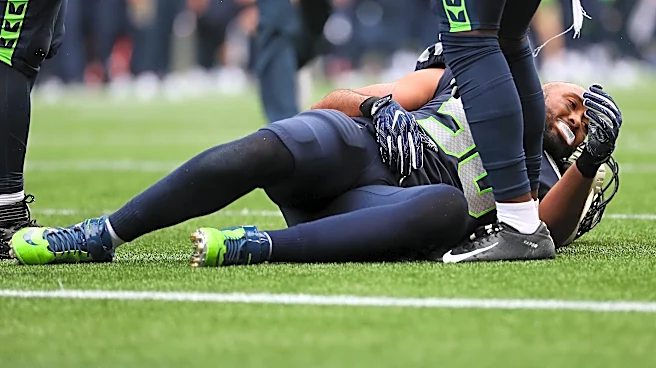
New research estimates that nearly 75% of former NFL players who died between 2008 and 2023 likely had Chronic Traumatic Encephalopathy (CTE), a degenerative brain disease linked to repeated head impacts. This figure is significantly higher than the less
than 1% rate found in the general population's brain banks. Dr. Yorghos Tripodis, Professor of Biostatistics at Boston University and senior author of the study, described the estimate as "astounding" and emphasized that CTE is a preventable disease. Leading CTE experts, including Dr. Ann McKee, Dr. Robert Cantu, and Dr. Chris Nowinski, have consistently advocated for children to avoid tackle football until high school to prevent the disease. This research has intensified the national debate on whether young children should play tackle football, with some advocating for restrictions and others emphasizing the benefits of the sport.
Why It's Important?
The high estimated prevalence of CTE among former NFL players underscores a significant public health concern related to contact sports, particularly football. CTE is associated with severe neurological symptoms such as dementia, memory loss, suicidal ideation, and loss of impulse control, which can profoundly impact individuals and their families. The debate over youth tackle football has broad implications for sports culture, public health policy, and parental choices in the U.S. Restricting tackle football for younger children could lead to a shift towards flag football or other less contact-intensive sports, potentially altering the landscape of youth athletics. Conversely, resistance to such restrictions often stems from concerns about parental autonomy, the perceived benefits of football for youth development, and the economic impact on sports leagues and related industries.
What's Next?
The debate over youth tackle football is expected to continue, with ongoing calls for legislative action and increased public awareness. While past legislative efforts in states like California, Illinois, and New York to limit tackling in youth football have faced strong pushback and failed, the new research may provide renewed impetus for such measures. Advocates for restrictions will likely continue to cite public health and scientific evidence, while opponents will emphasize parental rights and the positive aspects of the sport. The NFL Players' Association has stated its commitment to supporting scientific research and investing in player health and well-being. The future may see further development of safer playing techniques, equipment, and rule changes in youth football, alongside a potential increase in the popularity of flag football as a safer alternative.
Beyond the Headlines
Beyond the immediate health concerns, the CTE debate touches upon deeper societal values regarding risk, responsibility, and the role of government in regulating youth activities. The resistance to legislative intervention, even in the face of scientific evidence, highlights the cultural significance of football in many American communities and the strong belief in parental decision-making. This issue also raises questions about the long-term liability for sports organizations and schools that promote tackle football for young children. The ongoing scientific advancements in understanding brain injuries and their long-term effects will continue to shape public perception and policy, potentially leading to a fundamental re-evaluation of how contact sports are introduced and managed at early developmental stages.