





What's Happening?
Seagate Technology is offering a Physical Intelligence Engineering Internship for the summer of 2027 at its Shakopee, Minnesota campus. This internship is designed for students pursuing BS, MS, or PhD degrees in fields such as Robotics, Mechanical Engineering,
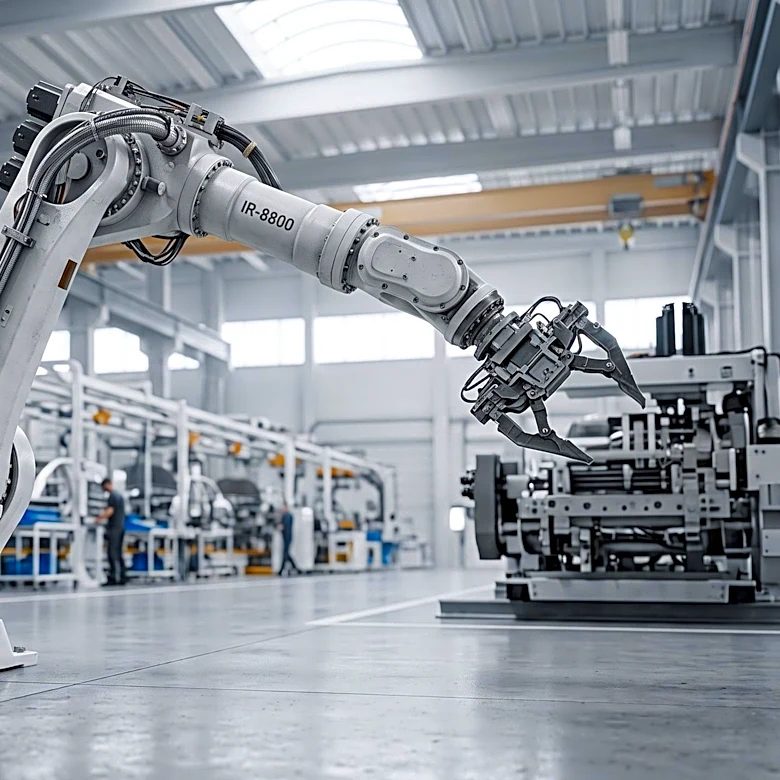
Electrical Engineering, Computer Engineering, Industrial Engineering, or Computer Science. Interns will work within the Photonics & Physical Intelligence (PPI) group, focusing on evaluating and testing advanced robotics platforms in real-world Seagate environments. Key responsibilities include deploying and operating robotic platforms, developing test plans, conducting experiments to assess robot performance, and analyzing operational data. The role also involves supporting the integration of sensors, AI software, and robotic subsystems, and collaborating with various engineering and research teams. The internship aims to bridge the gap between AI research and practical applications by turning human experience into training data for Physical AI.
Why It's Important?
This internship highlights the growing importance of 'Physical Intelligence' in industrial and manufacturing sectors, particularly in the U.S. The focus on evaluating next-generation robotics technologies for manufacturing applications indicates a strategic investment in automation and intelligent systems. For Seagate Technology, a major player in data storage, integrating advanced robotics can lead to significant improvements in manufacturing efficiency, reliability, and safety. This initiative also contributes to the development of a skilled workforce in cutting-edge AI and robotics, which is crucial for maintaining U.S. competitiveness in technology and manufacturing. Students participating in such programs gain invaluable experience, potentially shaping future innovations in autonomous systems and industrial automation. The emphasis on real-world application and data analysis underscores a practical approach to technological advancement, benefiting both the company and the broader industry.
What's Next?
The internship, scheduled for Summer 2027, will involve interns completing a unique project focused on evaluating next-generation robotics technologies. This will include developing performance metrics, executing structured robot evaluations in realistic operational environments, and analyzing performance data related to navigation accuracy, obstacle avoidance, and task execution. Interns will be expected to identify gaps and opportunities for improvement, recommend deployment scenarios, and present their findings to the PPI team. The insights gained from these internships could directly influence Seagate's future manufacturing strategies and the adoption of new robotic platforms. This ongoing investment in research and development through internships suggests a continuous effort to integrate advanced AI and robotics into their operations, potentially leading to more automated and efficient production processes in the coming years.
Beyond the Headlines
The concept of 'Physical Intelligence' as described by Professor Kostas Daniilidis, involving robots perceiving their surroundings in three dimensions and predicting outcomes, represents a significant shift in AI development. This goes beyond traditional AI's focus on data processing to encompass real-world interaction and manipulation. Seagate's investment in this area, particularly through internships, signifies a broader industry trend towards embodied AI—where intelligent systems can physically interact with and understand their environment. This has profound implications for various sectors, from logistics and healthcare to defense, by enabling more autonomous and adaptable robotic systems. The ethical considerations around human-robot interaction and the future of work in increasingly automated environments will also become more prominent as these technologies mature and become more integrated into daily operations.