






What's Happening?
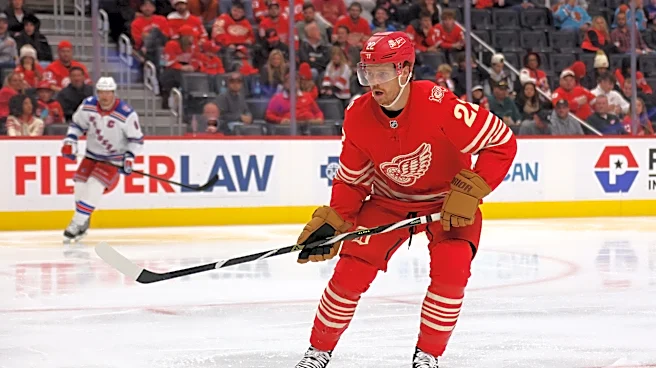
The Detroit Red Wings are reportedly considering a short-term 'bridge deal' for restricted free agent defenseman Simon Edvinsson, a decision that has drawn criticism from NHL insider Elliotte Friedman. Edvinsson, 23, has emerged as a top-pair defender
for the Red Wings, complementing star defenseman Moritz Seider. Despite his significant development and importance to the team's future, reports indicate the Red Wings are firm on offering a short-term contract. This preference comes as Edvinsson was left off the team's initial 23-man roster ahead of the Monday deadline, making him ineligible to play without a new contract. Friedman argues that if a player is considered a 'cornerstone,' the team should lock them up for as long as possible, as the price will only increase in the future. The Red Wings' window of contention is seen as a priority, and posturing for the future is considered paramount.
Why It's Important?
The Red Wings' potential decision to offer Simon Edvinsson a short-term contract carries significant implications for the team's long-term financial health and competitive outlook. A bridge deal, while potentially saving money in the immediate future, could lead to a much higher cost when Edvinsson's contract expires, especially with the NHL salary cap projected to rise. This approach risks hindering the team's ability to re-sign other key young players in the future, negatively impacting their contention window. Furthermore, offering a short-term deal to a player considered a cornerstone could signal a lack of long-term commitment from the organization, potentially affecting player morale and future negotiations. For a team aiming to build a sustainable contender, securing key young talent on long-term, team-friendly deals is crucial, and a short-term approach with Edvinsson could be a strategic misstep.
What's Next?
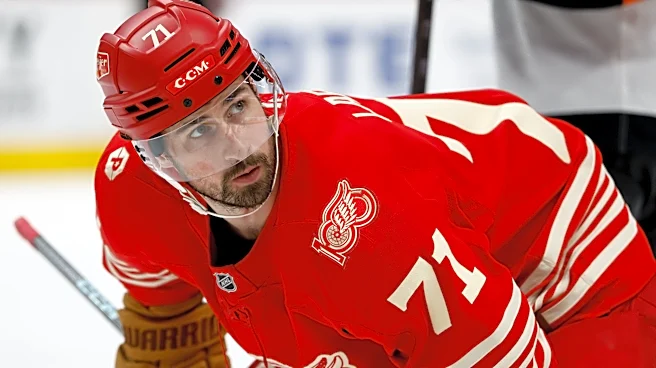
The immediate next step for the Detroit Red Wings is to finalize a contract with Simon Edvinsson. The current situation, with Edvinsson being a restricted free agent and off the initial roster, means he cannot play until a deal is reached. The Red Wings will need to decide whether to proceed with their reported preference for a short-term bridge deal or pivot to a longer-term contract, as suggested by critics. The outcome of these negotiations will not only determine Edvinsson's immediate future with the team but also set a precedent for how the Red Wings handle other key restricted free agents, including captain Dylan Larkin and UFA-to-be Alex DeBrincat. The team's management, particularly Shawn Horcoff, faces a critical decision that could have lasting effects on the Red Wings' roster construction and financial flexibility in the coming years. An experienced advisor might be brought in to provide a 'sober second thought' on the contract strategy.
Beyond the Headlines
The debate surrounding Simon Edvinsson's contract extends beyond mere financial terms; it touches upon the philosophy of team building and player development within the NHL. The Red Wings' reported preference for a short-term deal, despite Edvinsson's clear potential, could reflect a cautious approach to long-term commitments or a desire to maintain salary cap flexibility in the near term. However, this strategy risks alienating a promising young player and potentially undermining the trust between the organization and its talent. In an era where securing young, high-performing players on long-term deals is often seen as a cornerstone of successful franchises, a bridge deal could be perceived as a lack of confidence or a reluctance to invest fully in a player's future. This situation highlights the delicate balance NHL teams must strike between immediate financial prudence and long-term strategic investment in their core assets, especially when dealing with emerging stars.