







What's Happening?
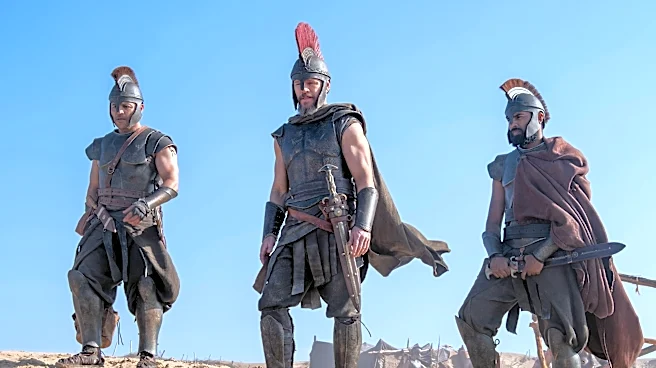
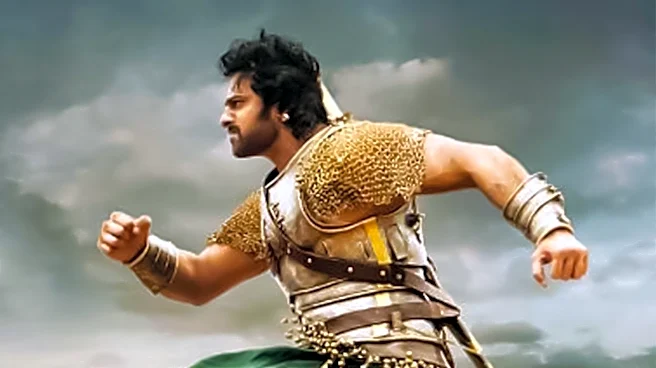
Ellen Mirojnick, the costume designer for Christopher Nolan's 'The Odyssey', has taken a unique approach to the film's wardrobe, moving away from traditional 'sword-and-sandals' aesthetics. The costumes are designed to reflect the characters' journeys
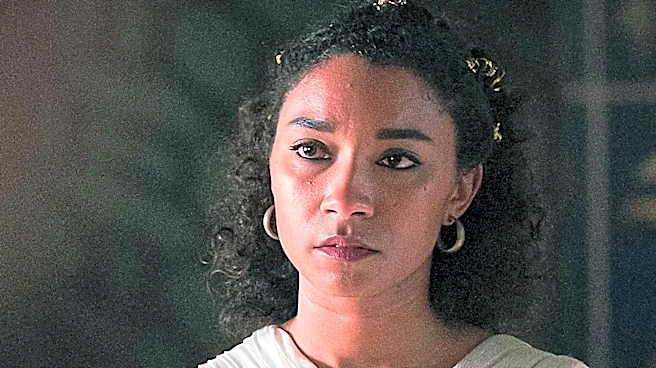
and the harsh conditions they endure. For instance, Odysseus's attire evolves to show his deterioration and adaptability, while Penelope's costumes subtly change to reflect her steadfastness. The deities' costumes, such as Athena's, are marked by simplicity and utility, emphasizing their roles rather than fantastical elements. Mirojnick's designs aim to convey the texture and erosion of the world, grounding the characters in a reality that mirrors their struggles and resilience.
Why It's Important?
The costume design in 'The Odyssey' plays a crucial role in storytelling, providing visual cues about the characters' development and the film's thematic focus. By prioritizing practicality and character evolution, the costumes enhance the narrative, allowing audiences to connect with the characters on a deeper level. This approach challenges traditional depictions of ancient myths, offering a fresh perspective that aligns with the film's modern reinterpretation of the epic. The emphasis on utility and realism in costume design may influence future productions, encouraging a shift towards more nuanced and character-driven wardrobe choices in historical and mythological films.
Beyond the Headlines
Mirojnick's work on 'The Odyssey' highlights the importance of costume design in shaping audience perceptions and understanding of characters. The decision to focus on practicality and character evolution reflects broader trends in filmmaking, where visual storytelling is increasingly used to convey complex narratives. This approach may inspire other designers to explore new ways of using costumes to enhance storytelling, potentially leading to more innovative and immersive cinematic experiences.