





What's Happening?
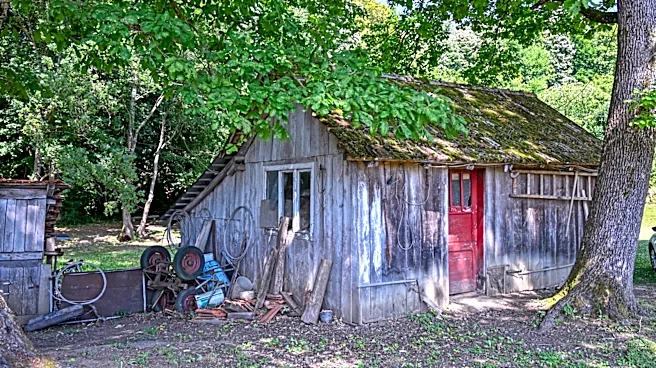
A YouTuber, known as 'suburban homestead,' has successfully converted a decaying shed into a charming cottagecore-inspired space, demonstrating that extensive renovations can be achieved with creativity and secondhand materials. The project involved removing
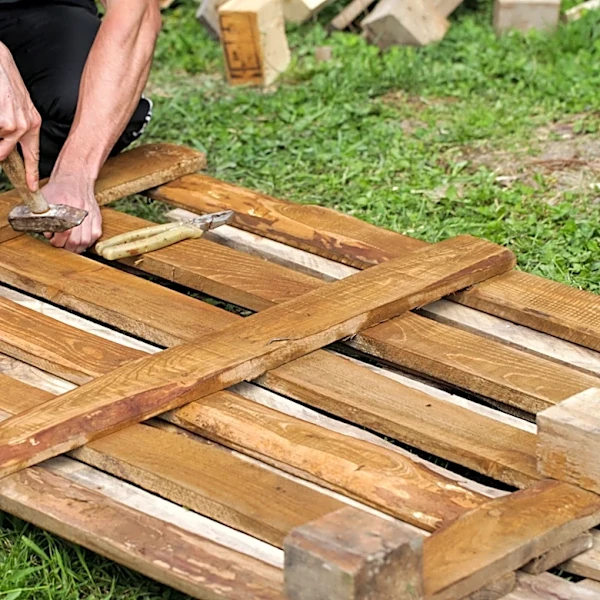
rotten sections, replacing damaged siding and windows, and sourcing vintage doors and used windows to maintain a budget-friendly approach. The creator emphasized that perfect symmetry is not necessary for achieving a whimsical cottage aesthetic, but structural integrity, particularly for roof support, remains crucial. Key decorative elements added to the exterior include fish-scale shingles, decorative crown molding, scalloped details, curved pieces, and gingerbread-style window aprons, many of which were carved from scrap wood. The transformation highlights the potential for repurposing existing structures into functional and aesthetically pleasing spaces, aligning with the cottagecore trend that values rustic, handmade, and garden-inspired aesthetics. The project also involved painting the exterior in pastel, storybook-inspired shades and incorporating live greenery to enhance the lived-in feel.
Why It's Important?
This shed transformation is significant as it exemplifies a growing trend in DIY home improvement and sustainable living, particularly within the cottagecore movement. It demonstrates that homeowners can achieve significant aesthetic and functional upgrades without extensive financial outlay, by utilizing salvaged materials and personal labor. This approach can inspire others to undertake similar projects, fostering a sense of self-sufficiency and creativity in home design. Economically, it promotes the reuse of materials, potentially reducing waste and supporting local secondhand markets. Socially, the cottagecore aesthetic, which emphasizes simplicity, nature, and a return to traditional crafts, resonates with individuals seeking an escape from modern complexities, offering a tangible way to create a personal sanctuary. The project also showcases the power of online content creators in disseminating practical skills and inspiring widespread adoption of niche design trends, influencing consumer choices in home decor and renovation.
What's Next?
The success of such DIY transformations is likely to further popularize the cottagecore aesthetic and encourage more individuals to explore similar renovation projects. We may see an increase in demand for secondhand building materials, vintage hardware, and specialized decorative elements that align with this style. Online platforms and social media are expected to continue playing a crucial role in sharing these projects, potentially leading to more tutorials, workshops, and communities dedicated to cottagecore-inspired DIY. Manufacturers and retailers might also respond by offering more products that cater to this niche, such as pre-fabricated decorative elements or eco-friendly paint options in pastel palettes. Additionally, the emphasis on sustainability and repurposing could influence broader trends in home design, pushing for more environmentally conscious renovation practices across the industry.
Beyond the Headlines
Beyond the immediate visual appeal, this shed transformation taps into deeper cultural and psychological currents. The cottagecore movement, which this project embodies, represents a yearning for simplicity, nostalgia, and a connection to nature in an increasingly digital and urbanized world. It offers a form of escapism and a way to reclaim a sense of control over one's immediate environment. Ethically, the use of salvaged and secondhand materials promotes sustainability and reduces consumption, aligning with broader environmental concerns. Legally, such projects often navigate local zoning laws and building codes, especially when converting sheds into habitable spaces, highlighting the intersection of personal creative freedom and community regulations. Culturally, these transformations contribute to a broader re-evaluation of what constitutes 'home' and 'value,' shifting focus from new, mass-produced items to unique, handcrafted, and repurposed elements that tell a story.