






What's Happening?
The U.S. housing market continues to soften under the pressure of rising mortgage rates, which have reached their highest levels since 2023. September's housing data showed a decline in median list prices, while inventory and price cuts increased. This
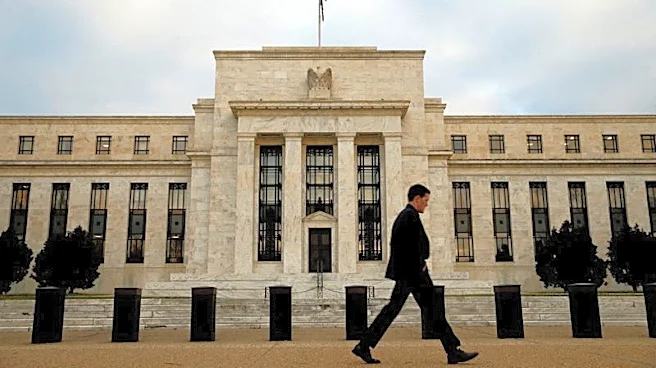
trend is expected to continue in the October data. The upcoming October jobs report, scheduled for Friday, will provide crucial labor market insights, following a September report that added only 29,000 jobs and saw unemployment rise to 4.2%. This 'low-hire, low-fire' labor market keeps the Federal Reserve focused on inflation ahead of its December meeting, with implications for future mortgage rate movements.
Why It's Important?
The confluence of rising mortgage rates and a softening housing market has significant implications for homeowners, prospective buyers, and the broader economy. Higher rates reduce affordability, potentially leading to decreased demand and further price adjustments. The jobs report is a key economic indicator that influences the Federal Reserve's monetary policy decisions. If the labor market remains tight, the Fed may continue its focus on combating inflation, which could mean sustained or even higher mortgage rates. This environment creates challenges for the housing sector, impacting construction, real estate services, and related industries, while also affecting household wealth and consumer spending.
What's Next?
Realtor.com will release its October monthly housing trends report on Wednesday, providing detailed insights into how elevated mortgage rates have affected buyer and seller activity, inventory levels, and asking prices. On Thursday, updates on weekly listing data and Freddie Mac's latest mortgage rate reading will be available. The bond market, particularly the 10-year Treasury yield, will be closely watched for reactions to the midterm elections, geopolitical developments, and any signals from the Federal Reserve regarding a December rate hike. The October jobs report on Friday will be a critical data point, potentially influencing the direction of mortgage rates and the overall housing market in the coming months.
Beyond the Headlines
The current housing market dynamics reflect a broader economic tension between inflation control and economic growth. The Federal Reserve's actions to curb inflation, while necessary, are directly impacting the housing sector through higher interest rates. This situation could lead to a prolonged period of adjustment for the housing market, potentially shifting from a seller's market to a more balanced or even buyer's market in some areas. The affordability crisis, exacerbated by rising rates, could also have social implications, making homeownership less accessible for many and widening wealth disparities. Understanding these long-term trends is crucial for policymakers and individuals navigating the evolving economic landscape.