






What's Happening?
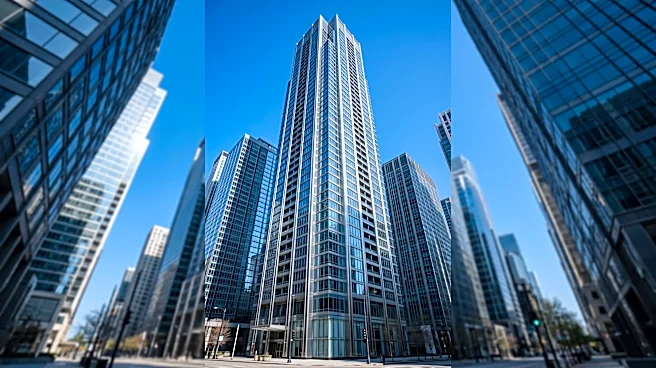
Pontegadea, the investment company founded by Inditex founder Amancio Ortega, has purchased its second Chicago tower within a month. The latest acquisition is The Sinclair, a 35-story building featuring 390 flats on LaSalle Drive, for over $200 million.
The seller was the developer who completed the building in 2017. This follows Pontegadea's October acquisition of One North Wacker, a 51-floor office tower, for approximately $550 million. Over the past four years, Pontegadea has invested around $1 billion in Chicago, with its holdings also including the historic Esquire Theater, retail spaces on Michigan Avenue, and a 216-room hotel. The United States represents Pontegadea's largest market, housing 40 of its 150 properties across cities like New York, Seattle, Boston, San Francisco, Washington, and Chicago. This year alone, the firm has allocated approximately €2.2 billion towards offices, warehouses, and residential properties.
Why It's Important?
This significant investment by Amancio Ortega's Pontegadea underscores a growing trend of foreign capital flowing into the U.S. real estate market, particularly in major urban centers like Chicago. The acquisition of prime residential and commercial properties by a prominent international investor signals confidence in the long-term stability and growth potential of the U.S. economy and its real estate sector. For Chicago, these investments contribute to the city's tax base and can stimulate local economic activity through property management, maintenance, and associated services. The continued influx of foreign investment can also influence property values and rental markets, potentially impacting local residents and businesses. Ortega's strategy of consistently reinvesting his dividends from Inditex into American property highlights the perceived safety and attractive returns offered by the U.S. market compared to other global opportunities.
What's Next?
Pontegadea's continued expansion in the U.S. real estate market suggests a sustained focus on acquiring high-value assets in key American cities. Future activities are likely to include further purchases of office buildings, warehouses, and residential properties, as the firm continues to diversify its portfolio and deploy capital generated from Inditex dividends. This trend could encourage other international investors to consider similar strategies, potentially increasing competition for prime real estate assets in the U.S. The firm's established presence in multiple major U.S. cities indicates a long-term commitment to the market, which could lead to further development or redevelopment projects in its existing holdings. The ongoing flow of capital from one of Europe's wealthiest individuals into American property will be closely watched as an indicator of broader international investment sentiment towards the U.S. economy.
Beyond the Headlines
Amancio Ortega's investment strategy, prioritizing U.S. real estate for his personal wealth generated from Inditex, reflects a broader global economic dynamic where stable, developed markets are seen as safe havens for capital. This approach highlights the attractiveness of the U.S. property market, not just for its potential returns but also for its perceived legal and economic stability. The ethical implications of such large-scale foreign ownership of urban assets can include concerns about housing affordability and the potential for local communities to be priced out of their own markets. Culturally, the presence of international investors can contribute to the globalized nature of major U.S. cities, but it also raises questions about local control and the character of urban development. This pattern of investment also underscores the significant wealth accumulation by founders of global retail giants and their subsequent impact on international asset markets.