








What's Happening?
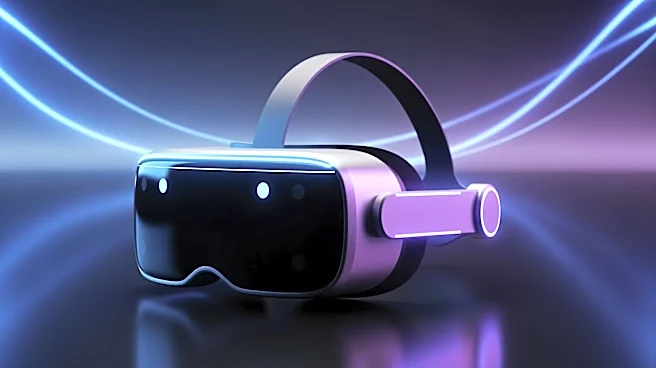
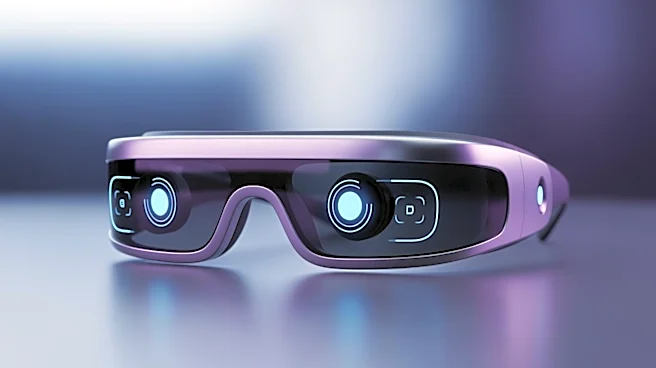
Qualcomm has announced two new platforms aimed at advancing AI wearable technology, signaling a shift away from traditional smartphones as the primary computing platform. The Snapdragon Reality Elite is designed for mixed-reality glasses, offering significant
improvements in GPU, CPU, and NPU performance compared to previous models. This platform supports high-resolution visuals to enhance user experience and reduce discomfort associated with extended headset use. Additionally, Qualcomm introduced the Scalable Turnkey AI-Ready Toolkit (START), which includes hardware modules and a software stack for AI devices, initially focusing on smart glasses. These developments are part of Qualcomm's strategy to position itself as a key player in the emerging market of AI wearables, with over 40 different device designs in progress.
Why It's Important?
The introduction of these platforms by Qualcomm represents a significant shift in the tech industry, as it moves towards AI-driven wearables that could potentially replace smartphones. This transition could disrupt established smartphone manufacturers like Apple and Samsung, as new hardware startups explore innovative form factors. Qualcomm's focus on AI wearables aligns with the growing demand for devices that offer more immersive and interactive experiences. By lowering the entry barriers for new market entrants through its white-label program, Qualcomm is fostering innovation and competition in the wearable tech space, which could lead to rapid advancements and adoption of these technologies.
What's Next?
As Qualcomm continues to develop and promote its AI wearable platforms, the tech industry can expect a wave of new devices that leverage these technologies. Companies participating in Qualcomm's white-label program, such as Inspecs and O'Neill, are likely to introduce products that integrate these advanced capabilities. The success of these initiatives will depend on consumer acceptance and the ability of these devices to deliver on their promise of enhanced user experiences. Additionally, established smartphone manufacturers may need to adapt their strategies to remain competitive in this evolving landscape.