
What's Happening?
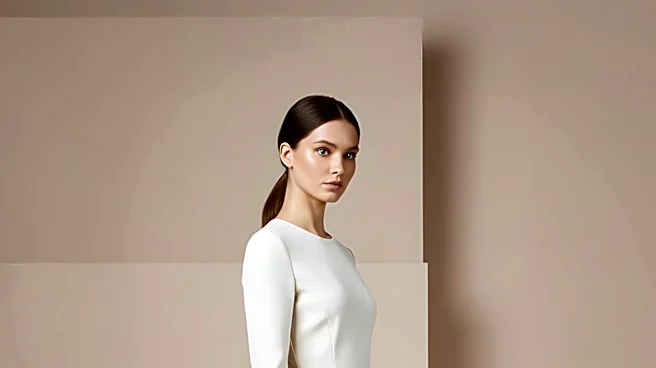
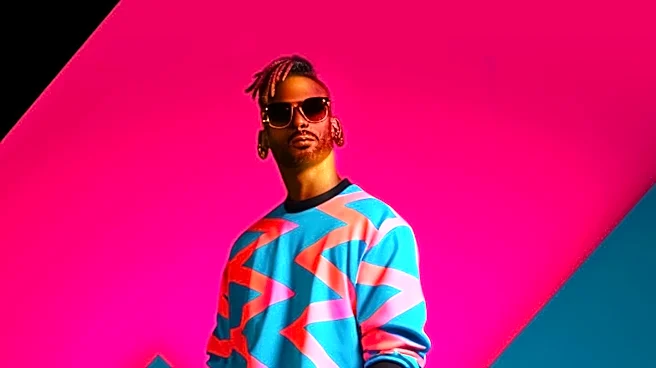
OOTD, an acronym for 'Outfit of the Day,' has become a prominent term in modern fashion and social media culture. It is widely used across platforms like Instagram, TikTok, and Pinterest when individuals share the clothes they are wearing on a specific
day. This trend goes beyond merely displaying garments; it serves as a form of personal style expression and visual storytelling. The term implies intentional dressing, suggesting that the wearer is proud of their chosen attire. While it can be written in all caps (OOTD) or lowercase (ootd), both forms are widely accepted. The phenomenon gained significant traction with the rise of fashion blogging and social media, particularly exploding on Instagram around 2011-2012 as visual content became dominant. Early fashion bloggers and influencers were instrumental in popularizing the term to document their daily looks and build audiences around their personal aesthetics. Today, #ootd boasts billions of posts on Instagram, making it one of the most-used fashion hashtags globally, reflecting its authenticity and relatability compared to traditional glossy magazine editorials.
Why It's Important?
The widespread adoption of OOTD signifies a significant shift in how fashion trends are disseminated and consumed, impacting the U.S. fashion industry and consumer behavior. It democratizes fashion, moving influence from traditional media to individual social media users, including everyday people and micro-influencers. This shift creates new avenues for brands to market products directly to consumers through influencer collaborations and tagged posts, driving traffic to online stores. For consumers, OOTD provides accessible and relatable style inspiration, fostering a sense of community around personal expression. The authenticity of OOTD content, featuring real people in everyday settings, builds greater trust and engagement than highly curated editorial content. This trend also highlights the power of visual platforms like Instagram and TikTok in shaping contemporary culture, influencing purchasing decisions, and creating new economic opportunities for content creators and fashion brands alike. The emphasis on intentional dressing also encourages consumers to be more mindful of their personal style and how they present themselves.
What's Next?
The evolution of OOTD is likely to continue with new formats and platforms. On TikTok, OOTD content has already evolved into short videos, including 'Get Ready With Me' (GRWM) clips and outfit transition videos, which drive high engagement due to the platform's algorithm. Pinterest continues to serve as a hub for OOTD inspiration, allowing users to save outfit ideas for future reference. YouTube creators are expected to produce more full-length OOTD haul videos and weekly outfit roundups, often linking specific clothing pieces in descriptions. The strategic use of hashtags, combining #ootd with more specific tags like #ootdfashion or #workootd, will remain crucial for content creators to reach targeted audiences. As social media platforms innovate, OOTD content will adapt, potentially incorporating more interactive elements, augmented reality try-ons, or personalized styling recommendations, further blurring the lines between content creation, e-commerce, and personal expression.
Beyond the Headlines
The OOTD phenomenon extends beyond mere fashion display, touching upon deeper cultural and psychological implications. It reflects a societal emphasis on personal branding and self-presentation in the digital age, where individuals curate their online identities through visual content. The act of sharing an OOTD can be seen as a form of self-expression and a way to connect with like-minded individuals, fostering online communities centered around style. However, it also raises questions about consumerism and the pressure to constantly present a curated image, potentially contributing to feelings of inadequacy or the pursuit of fleeting trends. The rise of OOTD also highlights the increasing influence of algorithms in shaping cultural trends and consumer preferences, as platforms prioritize engaging content. Ethically, it prompts discussions about transparency in influencer marketing and the blurred lines between authentic personal style and sponsored content. Ultimately, OOTD is a microcosm of how digital platforms are reshaping identity, community, and commerce in contemporary society.