






What's Happening?
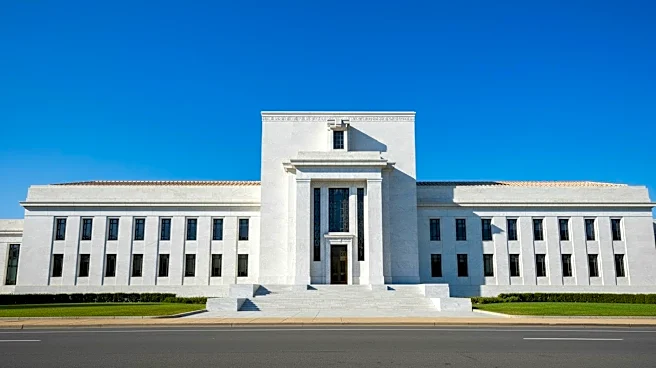
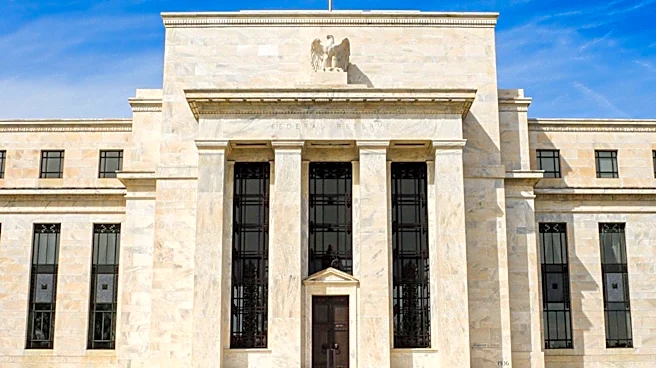
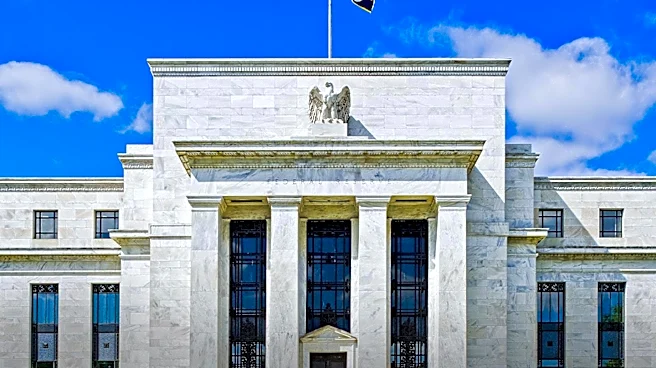
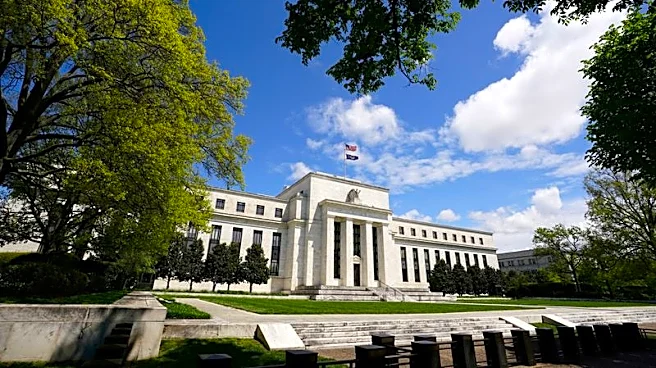
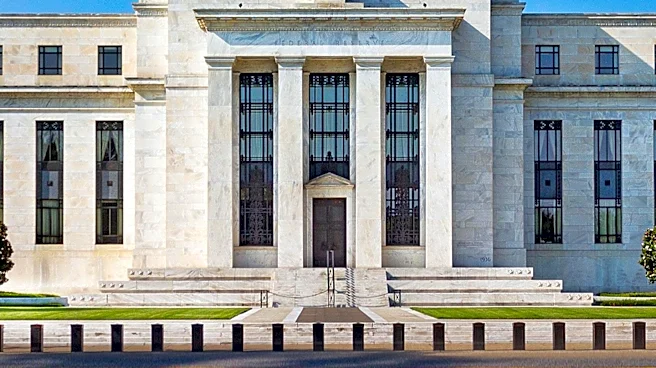
Federal Reserve officials are expressing concerns over persistent inflation, as highlighted in the minutes from the June 16-17 Federal Open Market Committee meeting. The minutes reveal a division among policymakers, with some advocating for maintaining
current interest rates, while others support potential rate hikes if inflation remains high. The meeting's discussions focused on various scenarios, with a consensus that persistent inflation would necessitate higher rates, whereas falling inflation could lead to steady or reduced rates. The absence of a risk management section, previously included under former Fed Chair Jerome Powell, marks a shift under new Chairman Kevin Warsh, who is reviewing the central bank's communication strategies.
Why It's Important?
The Federal Reserve's stance on interest rates is crucial for the U.S. economy, influencing borrowing costs for businesses and consumers. Persistent inflation could lead to higher interest rates, impacting economic growth and consumer spending. The division among Fed officials reflects differing views on how to balance inflation control with economic stability. The outcome of these discussions will affect financial markets, as investors adjust expectations based on potential rate changes. The Fed's approach under Chairman Warsh, focusing on scenario-based policymaking, signals a shift in strategy that could influence future economic policies.
What's Next?
Upcoming inflation data will be pivotal in determining the Federal Reserve's next steps. Reports on consumer and producer inflation for June are expected soon, which may show easing pressures if oil prices stabilize. Chairman Warsh's upcoming appearance before Congress will be closely watched, as he may face questions about the Fed's plans to manage inflation. The central bank's decisions will be data-dependent, with policymakers closely monitoring economic indicators to guide their actions. The ongoing geopolitical tensions, particularly with Iran, could also influence energy prices and inflation, adding complexity to the Fed's decision-making process.