


What's Happening?
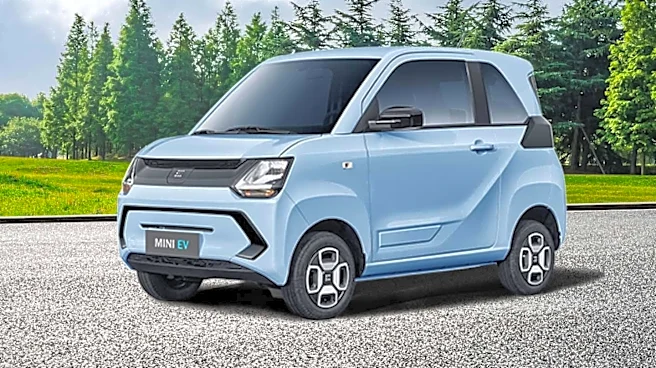
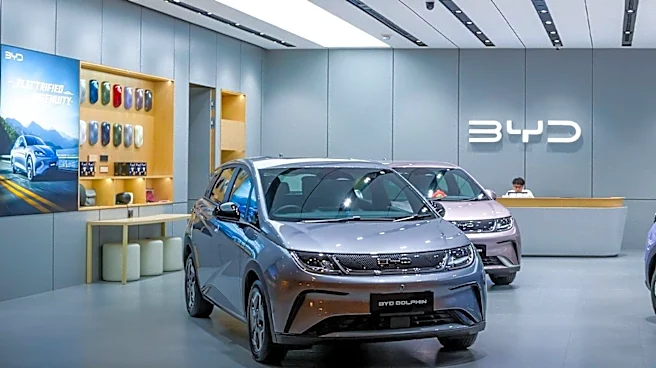
Canada has reduced its tariff on Chinese-built electric vehicles (EVs) from 100% to 6.1%, within a 49,000-vehicle annual quota. This decision has sparked competition among Chinese automakers to establish a manufacturing presence in Canada. BYD, a leading
Chinese EV manufacturer, has emerged as the frontrunner, with plans to evaluate a wholly owned Canadian factory. The tariff reduction is part of a broader strategy by the Canadian government to attract joint-venture investments in domestic manufacturing, although BYD has expressed a preference for maintaining full ownership of its operations.
Why It's Important?
The reduction in tariffs is a strategic move by Canada to boost its automotive manufacturing sector and attract foreign investment. By lowering the cost barrier for Chinese EVs, Canada aims to increase competition and innovation in its domestic market. This could lead to job creation and economic growth, particularly in regions with existing automotive infrastructure. However, the preference of companies like BYD to avoid joint ventures may challenge Canada's goal of fostering collaborative manufacturing partnerships.
What's Next?
As BYD and other Chinese automakers consider their options, the Canadian government may need to negotiate terms that align with its industrial policy goals while accommodating the business strategies of potential investors. The outcome of these negotiations could set a precedent for future foreign investments in Canada's automotive sector. Additionally, the success of these initiatives will depend on the ability to integrate new manufacturing operations into existing supply chains and regulatory frameworks.