






What's Happening?
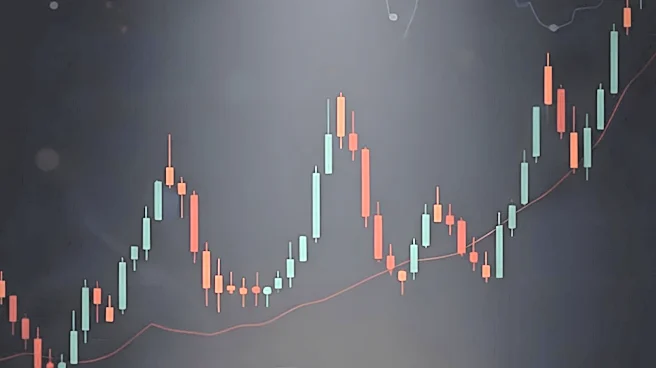
Gold prices have seen a significant correction from their record highs above $5,500 per ounce, but Bernard Dahdah, a Precious Metals Analyst at Natixis, maintains a bullish outlook for the market. Despite the current price hovering around $4,100 per ounce, Dahdah predicts
that gold could reach $4,600 by the end of the year. This forecast is based on the expectation of increased buying from central banks as they rebuild reserves following disruptions caused by geopolitical tensions, particularly between Iran and the United States. Dahdah notes that many central banks had to sell or monetize gold reserves during an energy crisis to support domestic currencies. With the conflict now less acute and energy markets stabilizing, he anticipates a resurgence in gold purchases by these institutions.
Why It's Important?
The potential increase in gold purchases by central banks could have significant implications for the global financial system. Dahdah suggests that the geopolitical landscape has altered how reserve managers view U.S. assets, with a shift in confidence away from the U.S. as a stabilizing force. This change could lead to record months of gold buying, reinforcing the long-term shift towards gold as a preferred reserve asset. The renewed interest in gold by central banks, coupled with steady demand from China, is expected to establish higher price floors, providing stability to the gold market. This trend highlights a broader move towards diversification of reserves, which could impact the U.S. dollar's dominance in global finance.
What's Next?
As central banks potentially increase their gold purchases, the market could see progressively higher price floors. Dahdah anticipates that the combination of official-sector demand and steady buying from China will support this trend. The geopolitical shifts and changing perceptions of U.S. assets may continue to drive central banks towards gold, reinforcing its role as a key reserve asset. This could lead to a more stable and diversified global financial system, with gold playing a central role in reserve management strategies.
Beyond the Headlines
The shift towards gold as a reserve asset reflects deeper changes in the global financial landscape. The recent geopolitical tensions and energy crises have demonstrated the importance of gold reserves as more than just a passive store of wealth. Central banks have utilized swap arrangements to monetize their gold holdings, providing liquidity while retaining ownership. This approach underscores the strategic value of gold in times of economic uncertainty. As countries reassess their reserve strategies, gold's role as a stabilizing asset is likely to grow, influencing long-term financial policies and international economic relations.