





What's Happening?
Nestlé is championing plastic neutrality by integrating sustainability into its core operations, emphasizing that companies must prioritize designing packaging for a circular economy. The company has adopted a 'Rethink, Reduce, and Repurpose' mantra to guide
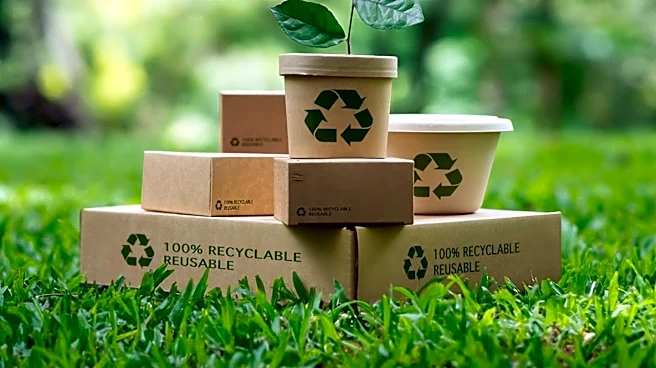
its recycling efforts, leading to practical strategies for more sustainable production methods. This approach ensures that packaging materials, such as those used in Nestlé Nespray sachets, are easily recyclable. Through the adoption of 'Designed for Recycling' (D4R) materials, Nestlé has already reduced packaging waste by 78 tons annually. Several of its brands, including KitKat and Smarties, now feature 100% recyclable packaging, with KitKat transitioning from foil to flow wrap and Smarties moving to paper packaging. Nestlé views plastic neutrality not as an option but as a necessity, highlighting the industry's responsibility to drive lasting change and minimize waste for future generations. This commitment aligns with broader industry trends, as reflected in the South African Plastic Pact’s 2024 Impact Report, which indicates a growing dedication to sustainability within the country's plastics industry.
Why It's Important?
Nestlé's proactive stance on plastic neutrality and sustainable packaging design sets a significant precedent for the global food and beverage industry. By demonstrating that substantial reductions in packaging waste are achievable through purposeful design, Nestlé encourages other major corporations to re-evaluate their own production and packaging strategies. This shift towards a circular economy model, where packaging is designed for recyclability from the outset, can lead to a significant decrease in plastic pollution and a more efficient use of resources. The company's emphasis on 'Designed for Recycling' (D4R) materials and the successful conversion of popular brands like KitKat and Smarties to fully recyclable packaging illustrate tangible pathways for environmental improvement. This commitment also influences consumer expectations, as more consumers become aware of and demand sustainable product options. Ultimately, Nestlé's actions contribute to a broader movement towards corporate environmental responsibility, potentially fostering innovation in sustainable materials and recycling technologies across various sectors.
What's Next?
Nestlé is expected to continue expanding its 'Designed for Recycling' initiatives across its product portfolio, aiming for more brands to achieve 100% recyclable, reusable, or compostable packaging. The company will likely further invest in research and development for innovative sustainable materials and advanced recycling technologies to enhance its circular economy efforts. Collaboration with industry partners, such as those within the South African Plastic Pact, is also anticipated to strengthen, fostering collective progress towards ambitious sustainability targets. As regulatory frameworks around plastic waste evolve globally, Nestlé's established practices may serve as a model for compliance and leadership. The company will likely continue to advocate for policy changes that support a circular economy, encouraging governments and other corporations to adopt similar sustainable practices. Furthermore, Nestlé's ongoing communication about its sustainability achievements could influence consumer purchasing decisions, driving demand for environmentally responsible products and pressuring competitors to accelerate their own sustainability agendas.
Beyond the Headlines
Nestlé's push for plastic neutrality extends beyond immediate environmental benefits, touching upon broader ethical and economic implications. The company's assertion that plastic neutrality is a 'necessity' underscores a growing recognition within corporate leadership of the moral imperative to address environmental degradation. This perspective challenges the traditional linear economic model of 'take-make-dispose' and promotes a more responsible approach to resource management. Economically, investing in sustainable packaging design can lead to long-term cost savings through reduced material consumption and increased efficiency in waste management. It also enhances brand reputation and consumer loyalty, which are increasingly tied to corporate social responsibility. Furthermore, Nestlé's efforts could stimulate innovation in the packaging industry, creating new markets for sustainable materials and recycling technologies. This shift could also influence supply chains globally, encouraging suppliers to adopt more sustainable practices to meet the demands of large corporations like Nestlé, thereby creating a ripple effect across the entire value chain.