



What's Happening?
MoneyLion.com has conducted a comparison of three budget-friendly family getaway options: camping, staycations, and off-peak travel. The analysis aims to help families determine which option provides the most value for their money, considering factors
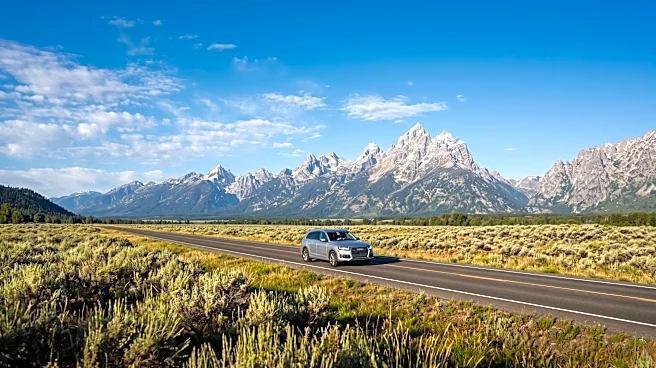
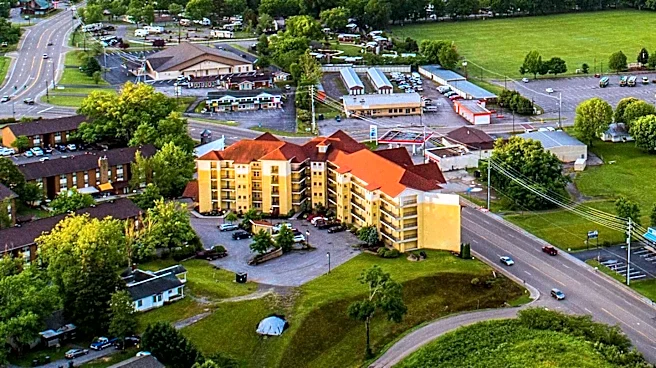
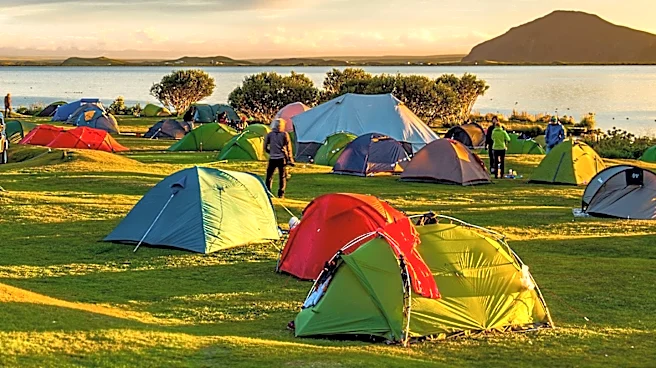
such as cost, experience quality, accommodations, food, transportation, and activities. The comparison highlights that while the least expensive option isn't always the best deal, each offers distinct advantages. Camping, for instance, is presented as the most cost-effective for families with existing gear, with an estimated cost of $1,000 for five nights and an experience quality rating of 4/5. Staycations offer the biggest guaranteed savings, costing between $100 to $400 for a weekend, but with a slightly lower experience quality of 3.5/5. Off-peak travel, while potentially more expensive at $2,800 to $3,000 for seven days, offers the highest experience quality at 4.5/5, providing a full vacation experience with reduced costs and smaller crowds during shoulder seasons.
Why It's Important?
This comparison is important for U.S. families seeking to manage their vacation budgets effectively amidst varying economic conditions. With rising costs in many sectors, understanding how to maximize value for leisure activities is crucial. The insights provided by MoneyLion.com can help households make informed decisions, potentially saving significant amounts on travel and accommodation. For the travel and tourism industry, this analysis underscores the demand for more affordable and flexible vacation options, which could influence marketing strategies and product development. Businesses catering to local attractions, camping, or off-peak travel might see increased interest as families prioritize cost-efficiency. The emphasis on 'experience quality' alongside cost also reflects a broader consumer trend where value is not solely defined by price but also by the richness of the experience, impacting how travel and leisure services are perceived and chosen.
What's Next?
Families are likely to continue exploring these budget-friendly options, potentially leading to a sustained interest in camping, local tourism, and off-season travel. Travel providers and local attractions may respond by offering more tailored packages and promotions to cater to these preferences. For instance, camping grounds might see increased bookings, and local museums or parks could experience higher visitor numbers during weekends as more families opt for staycations. The trend of combining different types of getaways within the same year—a shoulder-season trip, a camping weekend, and a staycation—suggests a diversified approach to leisure planning. This could prompt the development of more flexible booking options and loyalty programs from travel companies to accommodate varied consumer behaviors. Additionally, financial platforms like MoneyLion.com may continue to provide similar comparative analyses, further guiding consumer choices in the leisure sector.
Beyond the Headlines
The shift towards budget-friendly getaways like staycations and camping reflects deeper societal and economic trends, including increased financial consciousness and a desire for more authentic, less commercialized experiences. The concept of a 'staycation' highlights a re-evaluation of what constitutes a vacation, emphasizing local exploration and quality time at home rather than distant travel. This could foster a stronger sense of community and local pride as families engage more with their immediate surroundings. Environmentally, choosing staycations or camping over long-distance travel can also contribute to a reduced carbon footprint, aligning with growing ecological awareness. The challenge for families, as noted, is to truly 'feel' like they are on vacation during a staycation, which points to a psychological aspect of leisure—the need to disconnect from daily routines and responsibilities. This suggests a broader cultural conversation about work-life balance and the importance of intentional relaxation, even when not physically far from home.