








What's Happening?
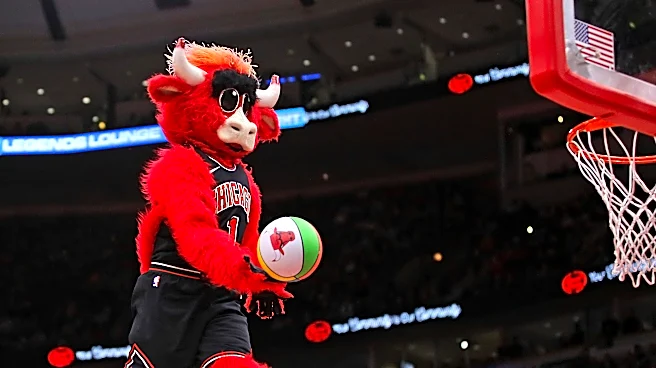
The Chicago Bulls, under the ownership of Jerry Reinsdorf's investor group, have seen their valuation skyrocket from $16 million in 1985 to an estimated $6.7 billion, according to Forbes. This represents a more than 400-fold increase over four decades.
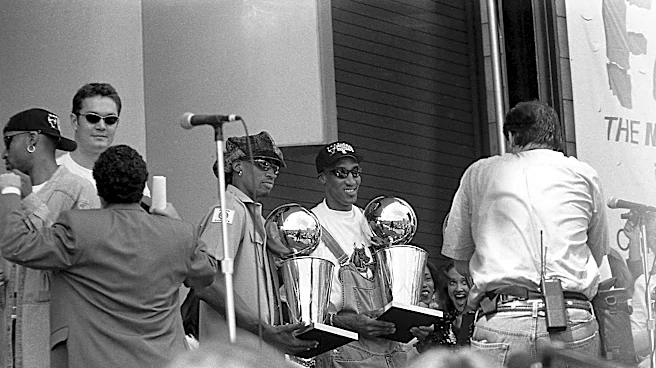
Forbes ranks the Bulls as the sixth most valuable team in the NBA. The team generated an estimated $482 million in revenue and $177 million in operating income during the 2025–26 season. This significant growth is largely attributed to Chicago's status as the nation's third-largest market. When Reinsdorf's group acquired the team, Michael Jordan was still a rookie, and the NBA was not the financial powerhouse it is today, with attendance figures often around 6,000 to 7,000 fans. The Bulls' value reached approximately $180 million by 1995, following their multiple NBA championships in the 1990s.
Why It's Important?
The dramatic increase in the Chicago Bulls' valuation highlights the immense growth and financial strength of the NBA as a major sports league and entertainment entity. This valuation underscores the significant return on investment possible in professional sports ownership, particularly in large media markets. The Bulls' consistent presence in Forbes' top six most valuable teams since 1998, despite only one playoff appearance since 2018, demonstrates the enduring value of brand recognition, historical success, and market size over recent on-court performance. This trend impacts potential investors, media rights negotiations, and the overall economic landscape of professional basketball, reinforcing the league's status as a lucrative global enterprise. The story also exemplifies how strategic long-term ownership, even with fluctuating team performance, can yield extraordinary financial gains.
What's Next?
The continued high valuation of the Chicago Bulls suggests ongoing stability and potential for further growth within the NBA. With the Reinsdorf family maintaining control, as evidenced by the recent minority stake purchase by Lukas and Samantha Walton, the team's long-term strategic direction is likely to remain consistent. Future developments could include continued investment in the team's infrastructure, potential for new media rights deals that could further inflate team valuations across the league, and efforts to translate market value into on-court success. The organization will likely continue to leverage its strong market presence and historical legacy to maintain its financial standing, even as it navigates competitive challenges in the league. The focus may shift towards improving team performance to capitalize on the substantial market value.
Beyond the Headlines
The Chicago Bulls' valuation trajectory reflects broader economic shifts in the sports industry, where franchises have evolved from mere sports teams into global entertainment brands and significant real estate assets. This transformation raises questions about the accessibility of sports ownership and the increasing financial barriers to entry. The story also subtly highlights the impact of individual athletes, like Michael Jordan, whose presence can fundamentally alter a franchise's financial destiny and elevate an entire league's profile. Furthermore, it underscores the power of a strong market, where even periods of limited on-court success do not significantly diminish asset value. This trend could lead to further consolidation of wealth among a few elite ownership groups and potentially influence how teams balance competitive aspirations with financial imperatives.