





What's Happening?
A new documentary titled 'Drink Coffee, Talk Fast' has shed light on the demanding filming environment experienced by actress Alexis Bledel during her time on the popular series 'Gilmore Girls'. According to the documentary, Bledel, who played Rory Gilmore,
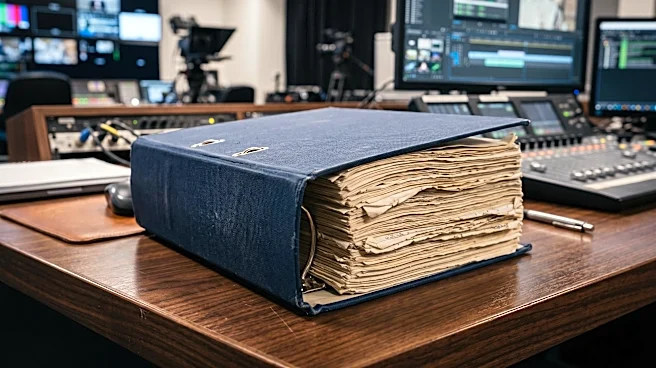
struggled with long hours and late script deliveries. First assistant camera Mark Strasburg stated that Bledel, who was 18 at the time, often worked 60 to 70 hours a week and questioned her life choices. Chad Michael Murray, who portrayed Tristan DuGray, also noted Bledel's quiet demeanor on set, attributing it to her unfamiliarity with the industry and the immense responsibility of memorizing extensive dialogue. Unlike typical television shows with 45-50 page scripts, 'Gilmore Girls' scripts reportedly ranged from 80 to 90 pages, requiring actors to deliver lines quickly and 'word perfect' as expected by creator Amy Sherman-Palladino. Director Jamie Babbit even recalled Bledel falling asleep on camera during an 18-hour shooting day, highlighting the extreme exhaustion faced by the cast.
Why It's Important?
This revelation is important as it exposes the intense pressures and potentially unsustainable working conditions within the entertainment industry, particularly for young actors. The 'Gilmore Girls' case illustrates how demanding production schedules, coupled with extensive script requirements and strict performance expectations, can lead to significant stress and exhaustion for cast members. For the industry, it raises questions about actor welfare and the ethical implications of such 'grueling' environments. It also provides a behind-the-scenes look at the challenges faced by actors in maintaining their personal lives and well-being amidst professional obligations. The documentary's insights could contribute to ongoing discussions about labor practices in Hollywood and the need for more balanced and humane working conditions, especially for those new to the profession.
What's Next?
The documentary's release is likely to spark further conversations among fans, industry professionals, and labor organizations regarding working conditions on television sets. While the show concluded its original run in 2007, the insights from 'Drink Coffee, Talk Fast' could influence future production practices and contractual agreements for actors, particularly those in long-running series. It may also encourage more actors and crew members to share their experiences, potentially leading to greater transparency and accountability within the industry. The availability of the documentary on Apple TV will allow a wider audience to engage with these revelations, potentially increasing public awareness of the challenges faced by those working in entertainment.
Beyond the Headlines
The 'Gilmore Girls' situation highlights a broader issue within the entertainment industry concerning the balance between creative vision and the well-being of those bringing it to life. The expectation of 'word perfect' delivery from lengthy scripts, combined with extended working hours, points to a culture where artistic demands can sometimes overshadow human limits. This can have long-term psychological and physical impacts on individuals, particularly those who begin their careers at a young age. The narrative also touches upon the isolation and homesickness that can accompany demanding roles, underscoring the personal sacrifices made in pursuit of a career in acting. It serves as a reminder that behind the polished final product, there are often significant human costs involved in large-scale productions.