
What's Happening?
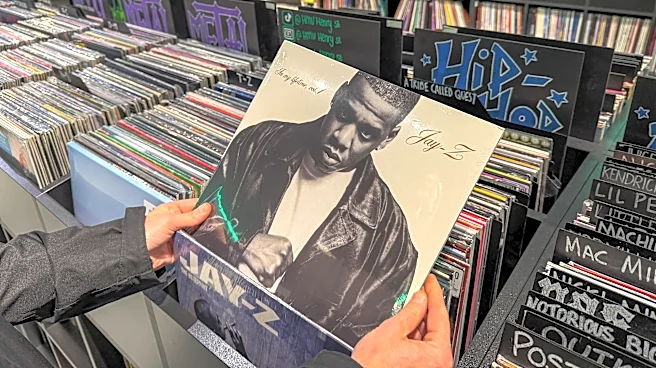
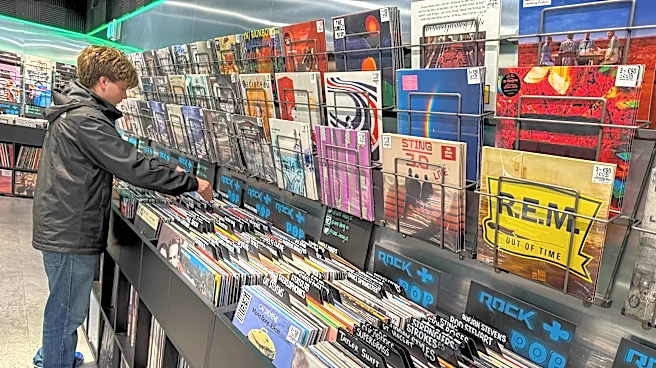
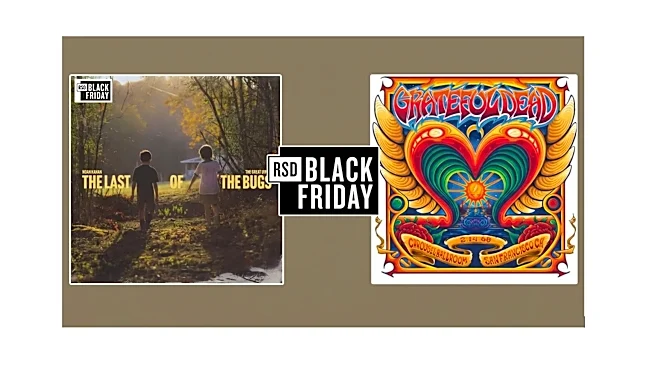
Record Store Day's annual Black Friday event in 2026 is offering 85 exclusive music releases, encouraging consumers to purchase physical products to support artists. This initiative highlights the financial
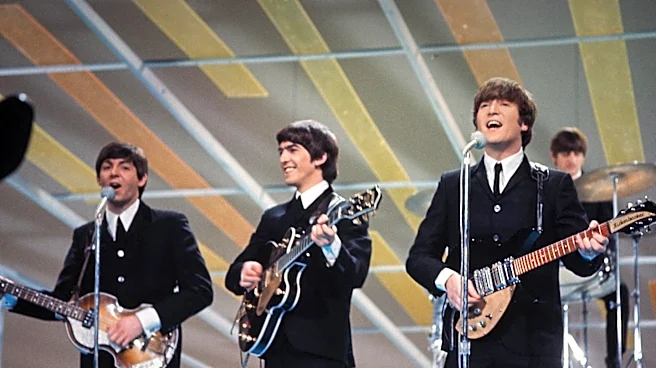
challenges faced by musicians in the streaming era, where royalties from platforms like Spotify can be minimal. For instance, while a band like Greta Van Fleet, with millions of followers, might earn around $16,000 monthly from Spotify, other well-known bands like Little Angels reportedly earn only $96 per month. The event aims to provide a direct financial benefit to artists by promoting the sale of vinyl LPs and CDs. The list of releases includes a diverse range of artists such as Tori Amos, The B-52s, The Beatles, Frank Black, George Harrison, Hootie & The Blowfish, Billy Idol, INXS, Iron Maiden, Jefferson Airplane, Joan Jett & The Blackhearts, Billy Joel, King Crimson, Joni Mitchell, Mötley Crüe, Motörhead, Stevie Nicks, Prince, Ramones, The Rolling Stones, The Runaways, Bob Seger & The Silver Bullet Band, Bruce Springsteen & The E Street Band, Staind, Yusuf/Cat Stevens, Tangerine Dream, and The Traveling Wilburys. Shoppers are advised that not all titles will be available at all stores, and some may be region-specific.
Why It's Important?
This event is important for the U.S. music industry and its artists, as it provides a significant revenue stream outside of digital streaming. The disparity in earnings between popular artists and those with smaller followings on streaming platforms underscores a broader economic challenge within the music business. By encouraging the purchase of physical media, Record Store Day Black Friday directly supports artists, allowing them to retain a larger share of profits compared to the fractional royalties from streaming services. This initiative also helps sustain independent record stores, which serve as vital cultural hubs and distribution points for niche and mainstream music alike. For consumers, it offers unique and collectible items, fostering a deeper connection to music and artists. The success of such events can influence future strategies for artist compensation and the role of physical media in a predominantly digital market.
What's Next?
The immediate next step is the execution of Record Store Day Black Friday 2026, with fans and collectors seeking out their desired releases. The sales performance of these exclusive releases will likely inform future Record Store Day events and similar initiatives aimed at boosting physical music sales. The ongoing discussion about artist compensation from streaming services is expected to continue, with events like this serving as a tangible example of alternative revenue models. Artists and industry stakeholders may further explore hybrid approaches that combine digital accessibility with the financial benefits of physical sales. The long-term impact could see a resurgence in vinyl and CD collecting, driven by both nostalgia and a desire to directly support musicians.
Beyond the Headlines
Beyond the immediate sales, this event highlights a fundamental shift in how music is valued and consumed. The emphasis on physical product in an increasingly digital world speaks to a desire for tangible ownership and a more direct relationship between artists and their audience. It also brings to light the ethical considerations surrounding artist compensation in the streaming economy, prompting questions about fair pay and sustainable careers for musicians. The cultural significance of record stores as community spaces and curators of music is reinforced, contrasting with the algorithmic recommendations of streaming platforms. This movement could inspire broader discussions about intellectual property rights, fair trade practices within creative industries, and the role of consumers in shaping the economic landscape for artists.