



What's Happening?
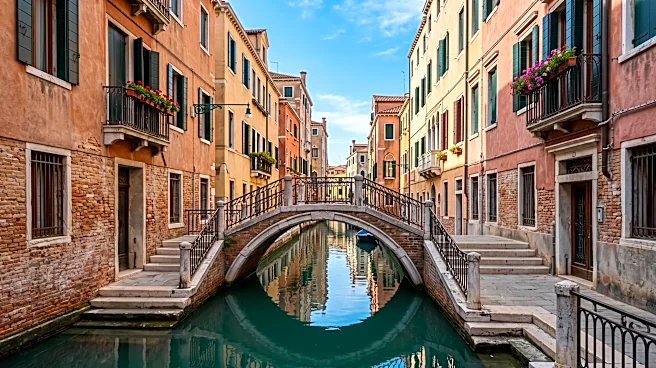
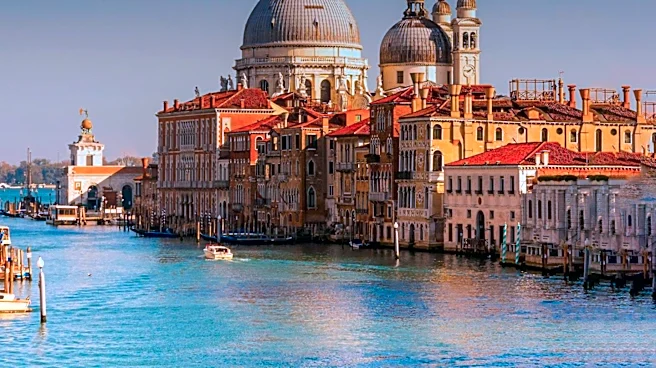
Venice, Italy, is renowned for its distinctive character, encouraging visitors to explore its quiet alleys and small bridges rather than solely focusing on well-known attractions. The city's true essence is found in the subtle, everyday moments, with
many memorable experiences stemming from spontaneous wandering. While iconic sites like the Grand Canal and gondola rides are part of the Venetian experience, the city's appeal extends to its less-traveled paths. Visitors can engage in various activities, including walking tours led by local hosts and dining at traditional food establishments such as Dal Fritoin and Trattoria Pizzeria in Noale. The city also boasts a rich cultural heritage, exemplified by historical elements like 16th-century chopines.
Why It's Important?
The emphasis on experiencing Venice beyond its main tourist spots highlights a growing trend in travel, where authenticity and local immersion are prioritized. This approach can lead to a more sustainable tourism model, distributing economic benefits beyond concentrated tourist areas and reducing the strain on popular landmarks. For travelers, it offers a deeper cultural understanding and more personal connections with the destination. This shift in travel perspective can influence how other major tourist cities manage their visitor experiences, potentially leading to the development of more localized and less commercialized offerings. It also underscores the value of preserving the unique, everyday aspects of a city that contribute to its overall charm and identity.
What's Next?
As travelers increasingly seek authentic experiences, Venice may continue to develop and promote initiatives that encourage exploration of its lesser-known areas. This could involve expanding local walking tours, highlighting neighborhood-specific attractions, and supporting small, traditional businesses. The city might also implement strategies to guide tourists towards these areas, potentially through digital guides or local recommendations, to alleviate overcrowding in central locations. This focus on distributed tourism could lead to a more balanced visitor flow and a richer experience for those exploring the city. Additionally, there may be a continued effort to preserve and showcase Venice's historical and cultural nuances that contribute to its unique atmosphere.
Beyond the Headlines
The narrative of 'getting lost' in Venice speaks to a broader human desire for discovery and serendipity in an increasingly structured world. It challenges the modern inclination towards meticulously planned itineraries and checklist tourism, advocating for a more intuitive and sensory engagement with a place. This approach can foster a deeper appreciation for the urban fabric, the interplay of land and water, and the historical layers embedded within the city's architecture. Ethically, it encourages a more respectful form of tourism that values the local way of life and the preservation of cultural integrity over mere consumption of attractions. It also highlights the psychological benefit of disconnecting from rigid schedules and embracing the unexpected, leading to more profound and personal travel memories.