


What's Happening?
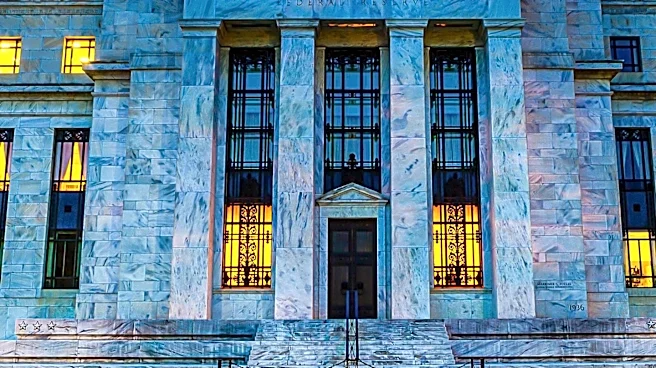
According to recently released minutes, a majority of the Federal Reserve's regional bank boards recommended raising the primary credit rate by a quarter percentage point to 4.25% from 4% prior to the late-October Federal Open Market Committee (FOMC)
meeting. Specifically, directors at eight of the 12 regional reserve banks, including Boston, Cleveland, Chicago, St. Louis, Minneapolis, Richmond, Kansas City, and Dallas, voted in favor of the increase. Conversely, boards in New York, Philadelphia, San Francisco, and Atlanta voted to maintain the 4% rate. Despite these recommendations, the FOMC ultimately decided to keep the benchmark federal funds target range unchanged at 3.75% to 4%. This decision followed a September rate increase, which was the central bank's first hike since 2023. It's important to note that while regional boards provide policy recommendations for the discount rate, the Board of Governors sets this rate, and these recommendations do not always align with how a district's president votes on the FOMC. For instance, Dallas Fed President Lorie Logan and Minneapolis Fed President Neel Kashkari voted to hold rates steady, even though their respective boards favored an increase.
Why It's Important?
This divergence between the regional boards' recommendations and the FOMC's decision highlights the ongoing debate within the Federal Reserve regarding the appropriate pace of monetary policy tightening. The regional boards' push for a rate hike underscores persistent concerns about inflation, which has remained above the Fed's 2% target for over five years. Elevated inflation, coupled with ongoing price pressures in sectors like construction, energy, transportation, and technology, continues to strain various industries. For U.S. businesses and consumers, higher interest rates translate to increased borrowing costs, which directors noted has already weighed on loan demand across the banking sector. The FOMC's decision to hold rates steady, despite the regional boards' sentiment, suggests a cautious approach, potentially balancing inflation concerns with the desire to avoid stifling economic output. This dynamic impacts financial markets, as market participants are closely watching for signals on future rate decisions, with many already factoring in a 25 basis point increase at the upcoming December meeting.
What's Next?
The Federal Reserve is scheduled to hold its next and final interest rate decision meeting for the year on December 8-9. Market participants have largely anticipated and factored in the probability of the central bank raising interest rates by 25 basis points to 4.25% at this upcoming meeting. This expected move would align with the sentiment expressed by the majority of regional Fed boards in October and reflect the ongoing concerns about persistent inflation. Should the Fed proceed with a rate hike, it would further increase borrowing costs for consumers and businesses, potentially impacting loan demand and economic growth. Conversely, a decision to hold rates steady could signal a more dovish stance, potentially easing some pressure on the banking sector but also raising questions about the Fed's commitment to its inflation target. The outcome of this meeting will be crucial in shaping economic expectations and market behavior for the remainder of the year and into the next.
Beyond the Headlines
The differing views within the Federal Reserve, as evidenced by the regional boards' recommendations versus the FOMC's decision, underscore the complex challenges faced by policymakers in navigating the current economic landscape. This internal debate reflects the difficulty in balancing the dual mandate of maintaining price stability and maximizing employment. The persistent inflation, which has exceeded the Fed's target for an extended period, suggests that the current monetary policy may not be fully effective in curbing price pressures. The impact of higher borrowing costs on loan demand also points to potential vulnerabilities in the banking sector and broader economic activity. This situation could lead to a prolonged period of higher interest rates, affecting long-term investment decisions, consumer spending patterns, and the overall trajectory of the U.S. economy. The Fed's future actions will not only influence short-term market dynamics but also shape the long-term economic environment, potentially leading to shifts in industry growth, investment strategies, and consumer financial behavior.