







What's Happening?
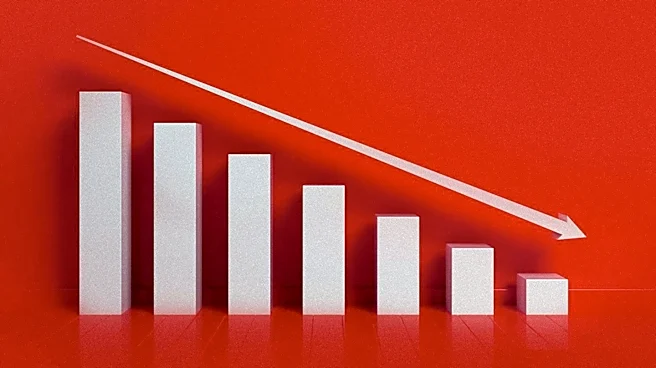
In June, U.S. job growth experienced a significant slowdown, with nonfarm payrolls increasing by only 57,000 jobs, according to the Labor Department. This figure fell short of economists' expectations, who had forecasted an increase of 110,000 jobs. The
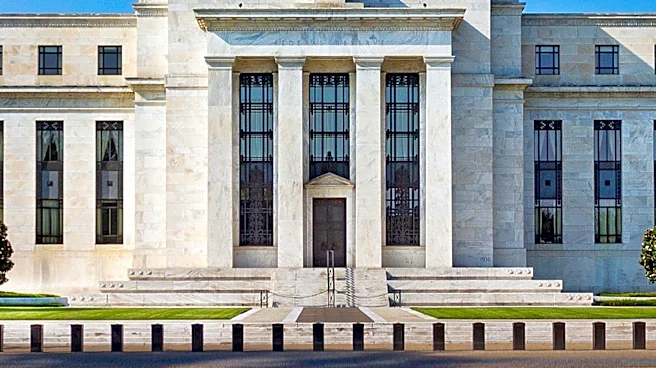
unemployment rate decreased slightly to 4.2% from 4.3% in May, but this was largely due to 720,000 individuals leaving the labor force, resulting in the lowest participation rate in over five years. The leisure and hospitality sector saw a notable decline, losing 61,000 jobs, the largest drop since the pandemic. Economists suggest that the slowdown may be a delayed response to the Middle East conflict, which has impacted gasoline prices and inflation. Despite the cooling job market, the Federal Reserve is expected to maintain its focus on inflation, with financial markets adjusting their expectations for future interest rate hikes.
Why It's Important?
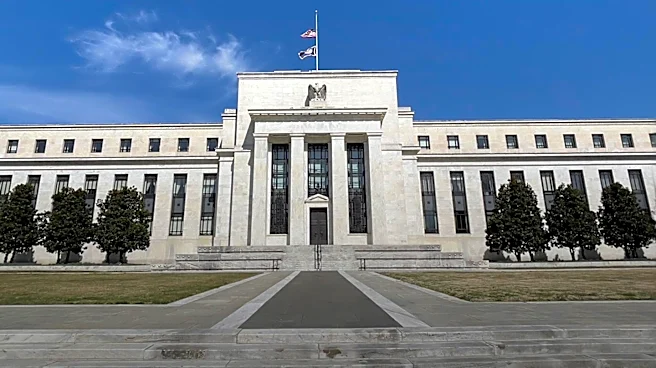
The slowdown in job growth and the decline in labor force participation have significant implications for the U.S. economy. A cooling labor market could influence the Federal Reserve's monetary policy decisions, particularly regarding interest rate hikes. The decrease in leisure and hospitality jobs suggests potential challenges for sectors reliant on consumer spending, which may be affected by rising inflation and energy costs. The labor market's current state, characterized by low hiring and layoffs, reflects ongoing economic uncertainties, including geopolitical tensions and domestic policy shifts. These developments could impact consumer confidence and spending, further influencing economic growth and stability.
What's Next?
The Federal Reserve is likely to continue monitoring inflation and labor market trends closely. With the labor market showing signs of cooling, the central bank may reconsider the timing and frequency of future interest rate hikes. Additionally, sectors such as leisure and hospitality may need to adapt to changing consumer behaviors and economic conditions. Policymakers and economists will be watching for further developments in the labor market and inflation rates, as these factors will play a crucial role in shaping economic policy and growth prospects in the coming months.