






What's Happening?
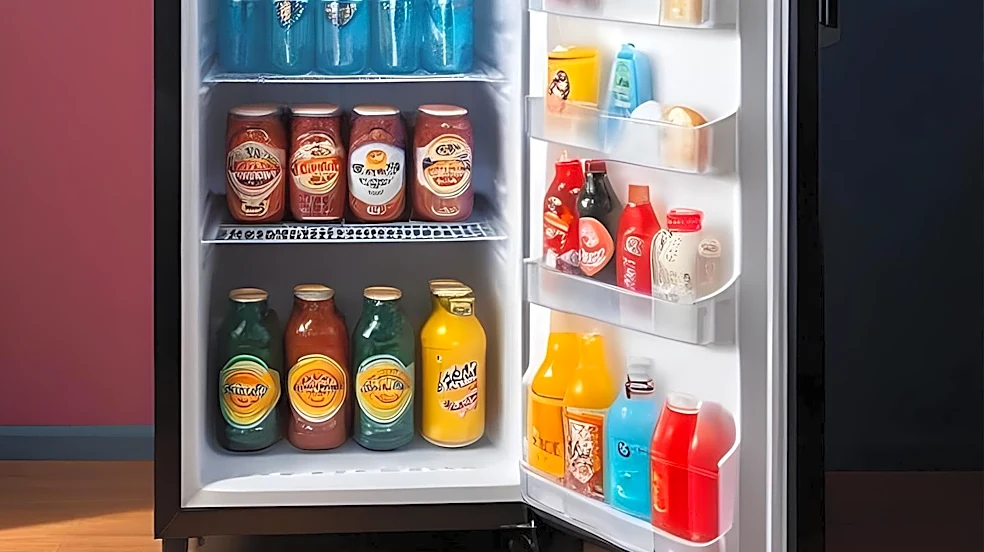
A compact Frigidaire mini fridge, model EFMIS149_AMZ-WHITE, is being sold as an ideal solution for storing skincare products, cosmetics, and beverages. This 4-liter capacity unit can hold up to six standard cans and is highlighted for its portability,
making it suitable for various personal spaces such as bedrooms, offices, dorm rooms, or for travel. The fridge operates by plugging into a standard wall outlet. The seller emphasizes its utility for keeping items like face masks, serums, and drinks cool. The product is described as being in used condition, with potential buyers encouraged to review provided photos. This offering targets consumers looking for specialized storage for their beauty products or a small, convenient cooler for personal use.
Why It's Important?
The marketing of mini-fridges specifically for skincare products reflects a growing trend in the beauty industry, where consumers are increasingly seeking specialized storage solutions to enhance the efficacy and longevity of their cosmetic items. Many skincare ingredients, such as Vitamin C serums and retinoids, can degrade when exposed to heat and light, making refrigeration a desirable option for some users. This trend also highlights a broader consumer interest in product preservation and optimization within personal care routines. For manufacturers, it opens a niche market for compact refrigeration units, potentially expanding their customer base beyond traditional beverage cooling. The emphasis on portability also caters to modern lifestyles, where consumers desire convenience and functionality across different environments.
What's Next?
The continued popularity of skincare mini-fridges may lead to more manufacturers entering this niche market, potentially introducing new features, designs, and capacities tailored to beauty product storage. We might see innovations such as temperature control specific to different types of skincare ingredients, or integrated organizational features. Retailers may also begin to stock these appliances more prominently within their beauty or home goods sections, recognizing the growing demand. Additionally, as the market matures, there could be increased competition, leading to a wider range of price points and more accessible options for consumers. The trend could also influence how skincare products themselves are formulated and packaged, with some brands potentially recommending refrigerated storage directly on their labels.
Beyond the Headlines
This trend signifies a deeper shift in consumer behavior towards a more ritualistic and specialized approach to personal care. The act of refrigerating skincare products elevates them from mere commodities to items requiring careful preservation, akin to gourmet food or fine wine. This can foster a sense of luxury and dedication to one's beauty regimen. Ethically, it raises questions about whether such specialized appliances are truly necessary for product efficacy or if they are primarily a marketing-driven phenomenon. Environmentally, the proliferation of small, continuously running appliances contributes to energy consumption, prompting discussions about the sustainability of such lifestyle trends. Culturally, it reflects an increasing integration of technology and specialized tools into everyday self-care practices, blurring the lines between personal grooming and scientific preservation.