




What's Happening?
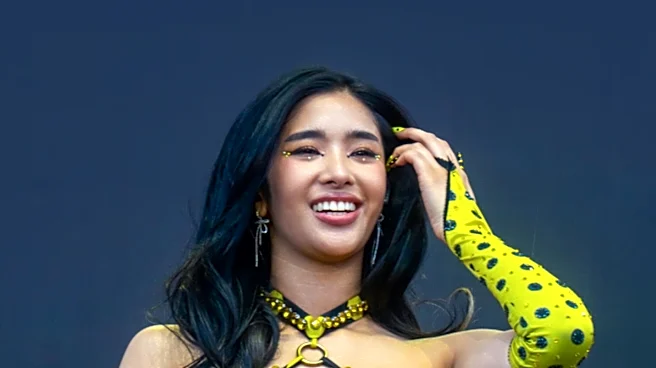
Fans have voiced strong criticism against Hybe, the management company behind the K-pop girl group Katseye, following a recent performance in Texas where member Megan Skiendiel performed while seated in a chair and wearing sunglasses. Skiendiel is currently
recovering from a concussion, an injury that led to the postponement of a Detroit performance on the group's Wildworld Tour just one week prior. Footage from the Austin performance on Tuesday evening shows Skiendiel remaining seated while her bandmates performed around her. Fans took to social media, particularly commenting on the band's Instagram post about the Austin tour date, to express their concern and anger. Many argued that Skiendiel should be given adequate rest for her recovery, drawing comparisons to fellow member Sophia Laforteza, who has taken extended time off for health reasons. Hybe and Geffen had previously stated on October 8 that Laforteza was prioritizing her health and would not participate in the North American tour or promotional activities for the remainder of the year, with plans for her return in 2027. Fans are urging the management to prioritize the health and well-being of all group members, suggesting that they are being overworked.
Why It's Important?
This incident highlights ongoing concerns within the K-pop industry regarding artist welfare and the intense demands placed on performers. Fan backlash against Katseye's management underscores a growing expectation from audiences for companies to prioritize the health of their artists over performance schedules. The comparison between Megan Skiendiel's situation and Sophia Laforteza's extended leave raises questions about consistency in how management handles artist health issues, potentially leading to perceptions of unfair treatment or inadequate care. This public scrutiny can impact the group's image and fan loyalty, as dedicated fans often feel a strong protective instinct towards their idols. For Hybe, a prominent K-pop management firm, such criticism can damage its reputation and potentially influence future talent recruitment and investor confidence. The incident also contributes to a broader conversation about labor practices in the entertainment industry, particularly for young performers, and the ethical responsibilities of management companies to ensure their artists' physical and mental well-being. It could prompt other agencies to review their policies regarding artist health and tour demands.
What's Next?
The immediate next steps will likely involve Katseye's management, Hybe, addressing the fan concerns, either through a public statement or by adjusting Megan Skiendiel's performance schedule to allow for full recovery. Failure to adequately respond could lead to continued fan protests and a negative impact on the group's public image and future engagements. Fans will be closely watching for updates on Skiendiel's health and any changes in the group's tour plans. The incident may also prompt internal reviews within Hybe regarding their artist management protocols, especially concerning health and safety during tours. Depending on the severity of the backlash, there could be broader discussions within the K-pop industry about establishing clearer guidelines for managing artist injuries and illnesses. The group is expected to continue its Wildworld Tour, but future performances will likely be scrutinized more closely by fans and media for signs of artist well-being. The return of Sophia Laforteza in 2027 will also be a point of interest, as fans will compare her recovery period with Skiendiel's current situation.
Beyond the Headlines
This situation delves into the complex dynamics between K-pop artists, their management, and their highly engaged fanbase. The intense emotional investment of K-pop fans often translates into a powerful collective voice that can significantly influence management decisions and industry practices. This incident reflects a cultural shift where fans are increasingly demanding transparency and accountability from entertainment companies regarding artist welfare, moving beyond mere consumption of content to active advocacy for performers' rights. Legally, while artists typically sign contracts outlining their performance obligations, there's a growing ethical expectation for companies to provide adequate care, especially in cases of injury. The long-term implications could include a push for more robust health and safety clauses in artist contracts and potentially industry-wide standards for managing performer well-being. This event also highlights the global reach of K-pop and how fan sentiments, originating from various parts of the world, can coalesce to exert pressure on major entertainment corporations, demonstrating the power of digital activism in the modern music industry.