






What's Happening?
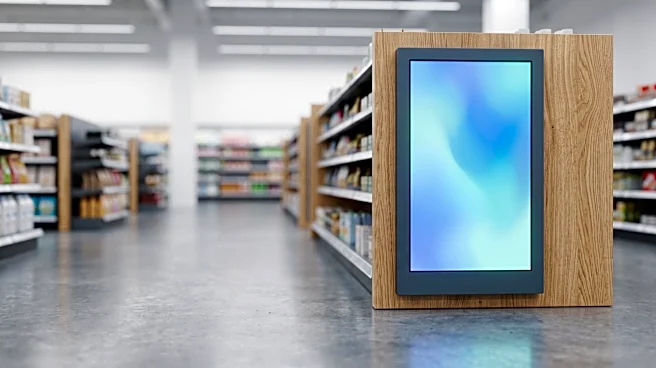
Retailers across the U.S., including major players like Walmart, Walgreens, and Amazon (through Whole Foods Markets), are significantly expanding the use of in-store digital advertising screens. These screens are being deployed in various high-traffic
areas such as aisles, endcaps, and checkout counters. The primary goal is to enhance customer engagement by highlighting merchandise and providing real-time information on inventory and pricing. Beyond promoting in-store products, retailers are also leveraging these digital displays to sell 'non-endemic' ad placements for external businesses, including fast-food restaurants, insurance agencies, and local car dealerships. Walmart's Connect business, for example, is reporting profit margins exceeding 70% from its ad operations, a stark contrast to the approximately 5% profit margin from its core retail business. This strategic shift aims to capitalize on the growing digital advertising market and integrate online ad information into the physical shopping experience.
Why It's Important?
This widespread integration of digital ad screens represents a significant evolution in the retail landscape, impacting both consumer behavior and retailer profitability. For consumers, these screens offer potentially more relevant product information and promotions, influencing purchasing decisions. A survey by Grocery TV indicated that shoppers are 2.5 times more likely to consider a product presented in a relevant context on an in-store screen, with nearly two-thirds making a purchase after seeing such an ad. For retailers, this initiative opens up a lucrative new revenue stream with high-profit margins, diversifying their business models beyond traditional product sales. The success of Walmart's Connect business underscores the financial potential of retail media networks, which can significantly boost overall profitability. This trend also signifies a blurring of lines between online and in-store advertising, creating a more integrated shopping experience and new opportunities for brands to reach consumers at the point of purchase.
What's Next?
The expansion of in-store digital advertising is expected to continue, with projections suggesting that most major retail chains could have 100 to 200 screens per location within the next seven years. Retailers will likely refine their strategies, testing different placements and content types to maximize effectiveness and consumer acceptance. The focus will remain on providing relevant and non-intrusive advertising to avoid shopper fatigue. We can anticipate further innovation in how these screens are used, potentially incorporating more interactive elements or personalized content based on shopper data. The growth of 'non-endemic' advertising will also likely accelerate, as retailers seek to monetize their physical spaces by offering ad opportunities to a broader range of businesses. This could lead to increased competition in the digital advertising space, as retail media networks vie for ad dollars from various industries.
Beyond the Headlines
The proliferation of digital ad screens in retail environments raises deeper questions about consumer privacy, the commercialization of public spaces, and the future of the shopping experience. As more data is collected on shopper behavior to tailor advertisements, concerns about data privacy and surveillance may intensify. The constant presence of digital ads could also contribute to information overload and potentially diminish the traditional retail experience, transforming stores into highly commercialized media channels. Ethically, retailers will need to balance revenue generation with maintaining a positive and comfortable shopping environment for their customers. This trend also highlights a broader shift in how physical spaces are valued and monetized in the digital age, where every touchpoint becomes a potential advertising opportunity. The long-term impact on consumer psychology and the overall retail ecosystem will be a critical area to observe.