





What's Happening?
Vortexa, an energy analytics firm, has reported that the crude oil cushion, which has been built up over recent years, is expected to shrink significantly in the next two to three months unless geopolitical conditions improve. The firm highlighted that inflows
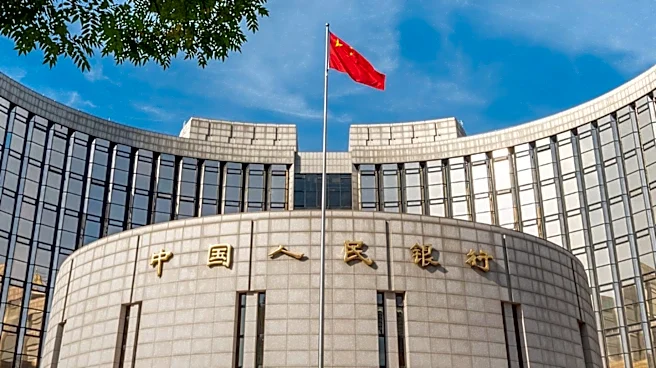
from the Atlantic Basin are slowing, and China is drawing down its inventories at a rate of approximately one million barrels per day. This situation poses a high risk of market tightening, with China's extra crude buffer, accumulated since 2025, potentially being depleted within four months if current trends continue. Vortexa's chief economist, David Welch, noted that while the market appears well-supplied, there is no guarantee that this will remain the case, especially if geopolitical tensions do not ease. The firm also observed a significant increase in ship-to-ship (STS) transfers, which have become a crucial logistical tool rather than just a means of concealing cargo origins.
Why It's Important?
The potential shrinking of the crude cushion could have significant implications for global oil markets, particularly if geopolitical tensions remain unresolved. A tightening market could lead to increased oil prices, affecting industries reliant on oil and potentially leading to higher costs for consumers. The reliance on STS transfers highlights the logistical challenges and risks associated with current oil trade practices, which could introduce additional costs and delays. This situation underscores the vulnerability of global oil supply chains to geopolitical events and the importance of strategic reserves in mitigating supply disruptions. Stakeholders in the oil industry, including producers and consumers, may need to prepare for potential volatility in oil prices and supply.
What's Next?
If geopolitical tensions persist, the oil market could experience significant tightening, leading to potential price increases. Stakeholders may need to explore alternative supply routes or increase reliance on strategic reserves to mitigate potential disruptions. The continued use of STS transfers and other logistical workarounds may become more prevalent, although these methods introduce additional risks and costs. Monitoring geopolitical developments and adjusting strategies accordingly will be crucial for industry players to navigate the potential challenges ahead.