


What's Happening?
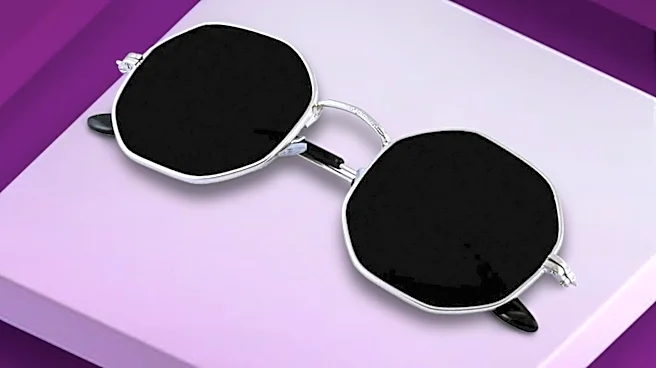
Thierry Lasry, an eyewear designer, has built his eponymous brand on the concept of "futuristic vintage," focusing on 80s-inspired shapes and colors with an avant-garde edge. His sunglasses are characterized by their flat-fronted acetate construction,
which he describes as being assembled more like a sculpture than conventionally cut. A distinctive feature of Thierry Lasry sunglasses is the absence of any visible logos on the frames, a deliberate choice to emphasize design over branding. Each model's name intentionally ends in "Y," echoing his surname, and often includes cheeky titles like "Sexxxy" or "Snobby." The brand also engages in collaborations, such as with the Los Angeles streetwear label Rhude, producing lines like Rhevision and Rhodeo.
Why It's Important?
Thierry Lasry's approach to eyewear design, prioritizing sculptural form and eschewing visible logos, holds significant implications for the U.S. fashion and luxury accessories market. This strategy caters to a growing segment of consumers who value understated luxury and unique design over overt branding. For U.S. businesses in the eyewear sector, Lasry's success demonstrates that a strong design identity and quality craftsmanship can be powerful differentiators. The brand's collaborations, like the one with Rhude, also highlight the increasing trend of cross-industry partnerships, allowing brands to tap into new demographics and expand their market reach within the U.S. The emphasis on handmade quality and premium materials, such as Mazzucchelli acetate, sets a high standard for product excellence.
What's Next?
The success of Thierry Lasry's design philosophy suggests a continued shift in consumer preferences towards unique, design-driven products in the U.S. eyewear market. Other brands may follow suit by reducing overt branding and focusing more on innovative shapes, materials, and craftsmanship. Collaborations between luxury eyewear brands and streetwear labels are likely to become more common, offering consumers fresh and exclusive collections. Thierry Lasry himself will likely continue to explore new "futuristic vintage" designs and expand his collaborative ventures, further solidifying his brand's niche. The brand's commitment to quality and distinctive aesthetics will be crucial for maintaining its competitive edge.
Beyond the Headlines
Thierry Lasry's design ethos, which deliberately omits visible logos, reflects a deeper cultural commentary on consumerism and identity. In a market often saturated with brand-conscious products, Lasry's approach champions individuality and personal style, suggesting that true luxury lies in design and quality rather than overt status symbols. This resonates with a segment of U.S. consumers who are increasingly seeking authenticity and a more subtle form of self-expression. The brand's playful naming conventions also add a layer of personality and wit, transforming a functional accessory into a statement piece. This challenges traditional notions of luxury marketing and encourages a more discerning appreciation for design in the U.S. fashion landscape.