








What's Happening?
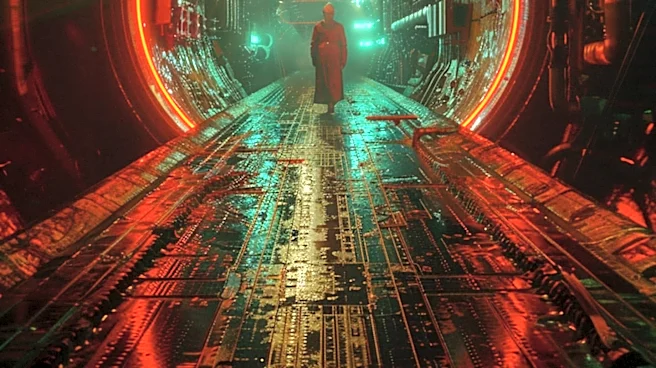
The developers of EVE Frontier, a space survival MMO, are addressing the challenge of balancing a lore-heavy game with the freedom of player-created mods. At the EVE Fanfest, Frontier's creative director Pavlo Savchuk explained that the game is designed
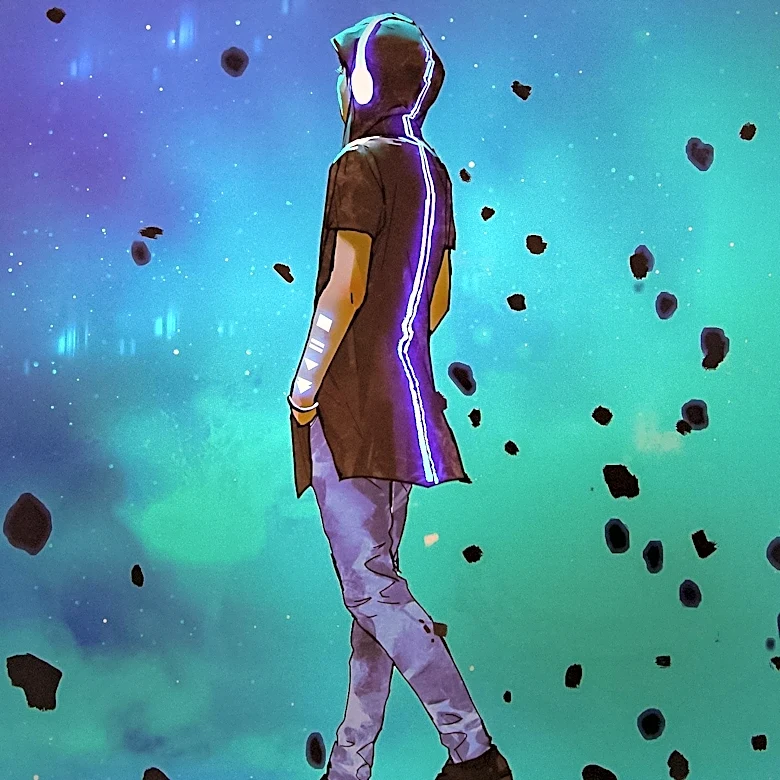
to allow players to express themselves creatively within its universe. The game’s modding ecosystem permits players to create content that may not align with the game's dark sci-fi theme, but this is seen as part of the game's evolving narrative. The developers have structured the game to accommodate player creativity while maintaining the core lore, allowing for a dynamic interaction between the game's design and player contributions.
Why It's Important?
This approach by EVE Frontier's developers highlights a significant shift in how game narratives can evolve through player interaction. By allowing players to contribute creatively, the game fosters a more engaged community and potentially extends its lifespan. This model could influence other game developers to adopt similar strategies, promoting a more collaborative relationship between creators and players. The balance between maintaining a coherent game world and allowing player freedom is crucial, as it can lead to a richer, more diverse gaming experience that appeals to a broader audience.
What's Next?
As EVE Frontier continues to develop, the game's community is likely to grow more involved in shaping its universe. The introduction of modular ship building and new player experiences suggests that the developers are committed to expanding the game's features while maintaining its core appeal. Future updates may further integrate player feedback and creations, potentially setting a precedent for other games in the genre. The ongoing dialogue between developers and players will be key in determining the game's direction and success.
Beyond the Headlines
The decision to embrace player creativity in EVE Frontier raises questions about the future of game development and the role of player agency. This model challenges traditional notions of authorship and control in game design, suggesting a more democratic approach to storytelling. It also highlights the potential for games to serve as platforms for cultural expression and experimentation, where players can explore themes of identity and creativity within a shared virtual space.