


What's Happening?
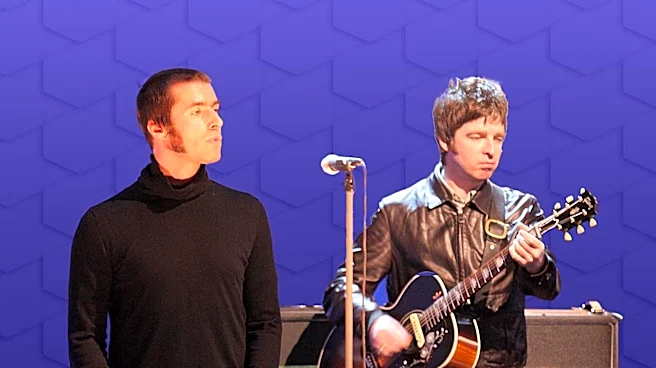
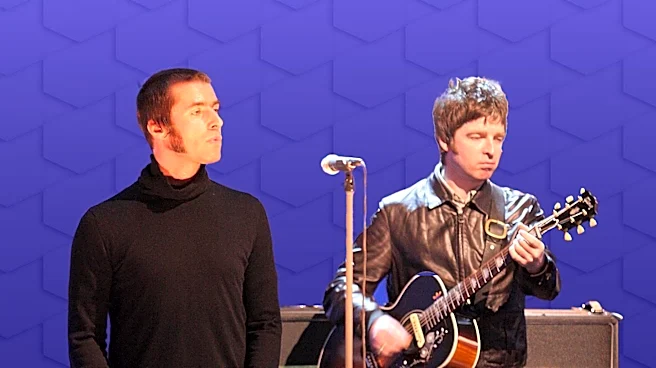
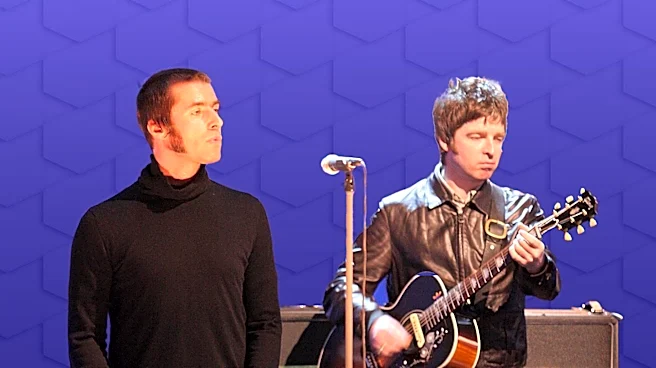
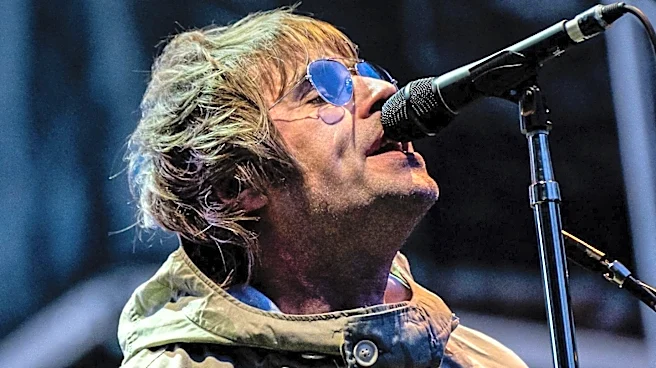
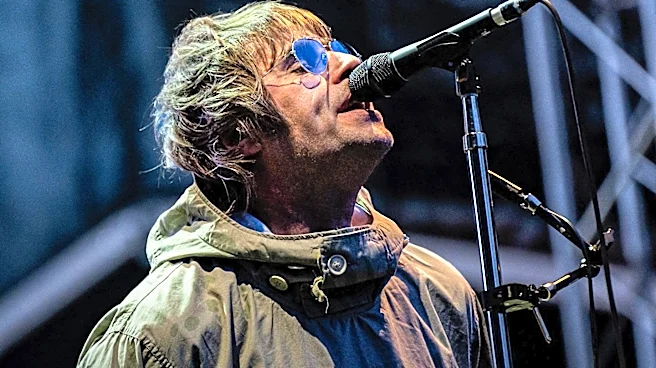
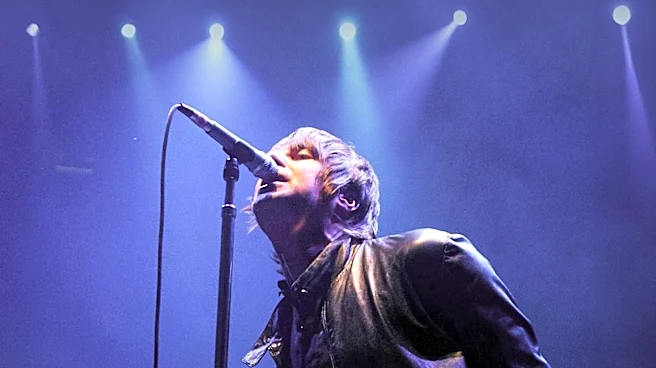
Liam Gallagher, the former Oasis frontman, has publicly responded to Fontaines D.C. after the Irish rock band dedicated their song 'I Love You' to him during a recent concert in Manchester. The dedication occurred during Fontaines D.C.'s November 21 performance
at the AO Arena, where singer Grian Chatten acknowledged Gallagher before performing the track as an encore. This gesture followed earlier comments from Gallagher, who had suggested that Fontaines D.C. was not suitable to support Oasis on their potential 2027 tour. Gallagher took to X the day after the concert, humorously remarking that the dedication was the highlight of the entire show. This interaction adds another layer to the ongoing dynamic between the two musical acts. Previously, some members of Fontaines D.C. had expressed reservations about an Oasis reunion, which drew criticism from Gallagher. However, Grian Chatten has consistently voiced his admiration for Oasis and has distanced himself from his bandmates' earlier remarks. 'I Love You,' released in 2022 on Fontaines D.C.'s third studio album, 'Skinty Fia,' is a well-known song and a regular part of their live performances.
Why It's Important?
This exchange highlights the often-interconnected and sometimes contentious relationships within the music industry, particularly between established artists and emerging bands. Liam Gallagher's public comments and subsequent reaction to the dedication underscore his influential position in rock music and his willingness to engage with other artists, even those he has previously critiqued. For Fontaines D.C., receiving a direct response from a figure like Gallagher, regardless of the context, can elevate their profile and generate further discussion around their music. The dedication itself, following Gallagher's earlier dismissal, could be interpreted as a playful jab or a genuine attempt at reconciliation, showcasing the complex interplay of respect and rivalry that can exist. This public dialogue also keeps both artists in the news cycle, potentially drawing new listeners to Fontaines D.C. and reminding fans of Gallagher's continued relevance and outspoken personality. The incident also reflects broader trends in music where social media platforms like X become immediate arenas for artist interactions and fan engagement.
What's Next?
The immediate next steps are likely to involve continued fan discussion and media commentary surrounding this interaction. It is improbable that this specific exchange will lead to a direct collaboration or a significant shift in either artist's career trajectory, but it maintains their presence in the public eye. Fontaines D.C. will likely continue their touring schedule, with 'I Love You' remaining a staple in their setlist, now with an added layer of anecdote. Liam Gallagher may continue to offer his opinions on other bands and music industry happenings, maintaining his characteristic outspoken persona. The broader implications for a potential Oasis reunion in 2027, which was the initial context for Gallagher's comments about Fontaines D.C., remain speculative. Future interactions between members of both bands, whether direct or through media, will likely be scrutinized by fans and the music press, adding to the narrative of their relationship. This event serves as a minor but notable moment in the ongoing narrative of contemporary rock music.
Beyond the Headlines
Beyond the immediate news, this interaction touches upon the evolving dynamics of artistic critique and mutual respect in the music world. Gallagher's initial comments about Fontaines D.C.'s suitability as a support act reflect a common sentiment among established artists evaluating newer talent, often leading to debates about musical legacy versus contemporary relevance. Fontaines D.C.'s decision to dedicate a song to Gallagher, despite his previous criticism, could be seen as a strategic move to engage with a prominent figure, or as a genuine gesture of admiration from Grian Chatten, who has expressed respect for Oasis. This highlights the nuanced ways artists navigate public perception and inter-band relationships. It also underscores the power of social media in shaping these narratives, allowing for rapid, direct responses that can either escalate or de-escalate tensions. The incident subtly explores themes of artistic validation, generational influence, and the often-blurry line between rivalry and homage in the competitive landscape of popular music.