


What's Happening?
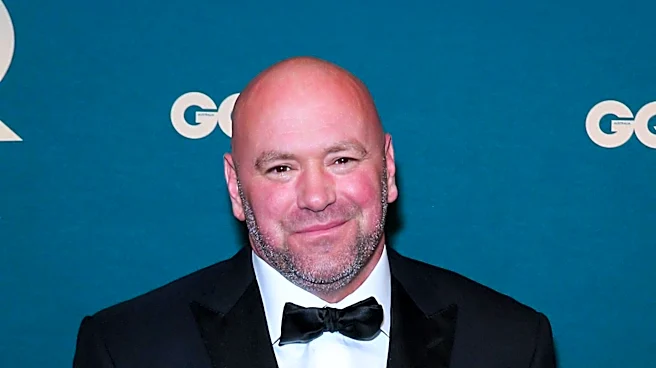
UFC CEO Dana White has voiced strong doubts regarding former UFC middleweight champion Sean Strickland's recent adoption of a calmer, more agreeable public persona. White stated he is not convinced by Strickland's sudden shift in attitude, remarking,
"I highly doubt we have a new and improved Sean Strickland. I'll believe it when I see it, but I'm not buying it... I don’t know how long that’ll last." Strickland, known for his unfiltered press conference rants, intense sparring stories, and disregard for PR-polished media responses, has built a significant global fanbase on his raw and chaotic demeanor. His professional MMA record stands at 31-7. White's skepticism stems from Strickland's established brand, which thrives on friction and controversy, making a complete personality overhaul seem unnatural for the fighter. Strickland's fighting style, characterized by relentless, direct, and unapologetic aggression, mirrors his psychological approach, with official UFC stats showing he lands 5.98 significant strikes per minute with a 61% striking defense rate.
Why It's Important?
This development is significant for the UFC and its fanbase as it highlights the ongoing dynamic between fighter personas and promotional narratives. Sean Strickland's controversial yet popular image has been a key factor in his marketability and ability to secure high-profile fights. If Strickland were to genuinely adopt a 'good guy' persona, it could alter his appeal to a segment of his fanbase who are drawn to his unfiltered nature. For the UFC, managing such a shift involves balancing authenticity with market interest. A change in Strickland's public image could impact viewership and pay-per-view buys for his future bouts, as his previous antics often generated significant media attention and fan engagement. The situation also underscores the pressure on fighters to maintain a consistent brand, even as they evolve, and how deeply ingrained their public image becomes in the sport's ecosystem.
What's Next?
As Sean Strickland prepares for his next middleweight appearance, the immediate focus will be on whether he maintains his new 'good guy' act during fight week media obligations. UFC CEO Dana White and many fans anticipate that the pressure of fight week will likely cause Strickland to revert to his original, chaotic persona. The duration and authenticity of this new demeanor will be closely watched by media and fans alike. Should Strickland genuinely commit to a more subdued image, it could lead to a re-evaluation of his market appeal and how the UFC promotes his fights. Conversely, if he quickly abandons the act, it will reinforce White's initial skepticism and solidify his reputation as an unpredictable, unfiltered personality in the sport. His performance in upcoming media events and his next fight will be crucial in determining the longevity of this new persona.
Beyond the Headlines
Beyond the immediate spectacle, this situation touches upon the broader themes of authenticity versus performance in professional sports. Fighters often cultivate specific personas to enhance their marketability and connect with fans, but the line between genuine personality and strategic branding can become blurred. Strickland's attempt at a 'good guy' image, whether sincere or a temporary tactic, raises questions about the pressures athletes face to conform or rebel against public expectations. It also highlights the role of promoters like Dana White in shaping and reacting to these narratives. The long-term implications could include a deeper discussion within the MMA community about the value of 'heel' characters versus more conventional 'hero' figures, and how these roles influence fan engagement and the sport's overall appeal. This dynamic reflects the entertainment aspect of combat sports, where personality often rivals athletic prowess in drawing an audience.