




What's Happening?
Vietnam is gaining recognition as a leading wellness travel destination, offering a variety of experiences tailored to different preferences for relaxation and reconnection. The country's long, uncrowded beaches, misty mountains, and rich tradition of herbal
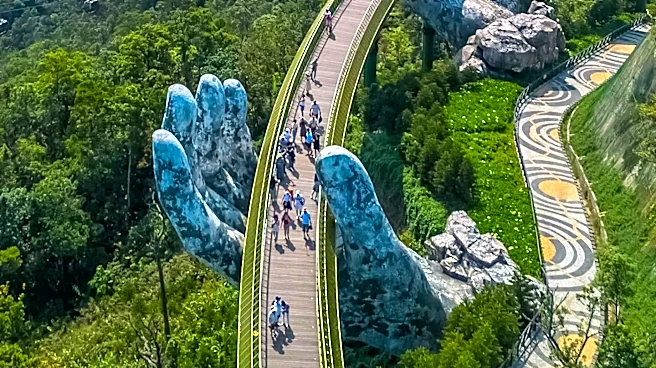
medicine provide ideal conditions for travelers seeking to restore their well-being. Three distinct regions stand out for luxury wellness: the central coast (including Da Nang, Hoi An, and Quy Nhon), the southern islands (such as Phu Quoc), and the northern highlands (like the Sapa region). Each area provides a unique wellness style, climate, cultural experience, and atmosphere. The central coast offers a balance of spa rituals, yoga, and coastal calm with heritage towns. Phu Quoc focuses on resort spas and beach relaxation under tropical sunshine. The northern highlands provide nature immersion, hiking, and traditional herbal baths in a remote, peaceful setting, encouraging travelers to slow down and reconnect with nature.
Why It's Important?
The rise of Vietnam as a wellness travel hub signifies a growing global trend where travelers prioritize experiences that support physical, mental, and emotional well-being. This development is important for the U.S. travel industry as it highlights evolving consumer demands, potentially influencing how U.S. travel agencies and tour operators package and market international destinations. For American travelers, it expands options for luxury wellness retreats beyond traditional destinations, offering unique cultural and natural experiences. The diverse offerings within Vietnam cater to a broad spectrum of wellness needs, from active nature immersion to serene beach relaxation, indicating a sophisticated market for specialized travel. This trend also underscores the economic potential for countries that can effectively blend natural beauty with wellness services, attracting a high-value tourism segment.
What's Next?
As Vietnam continues to solidify its position in the wellness tourism market, further development of luxury wellness resorts and specialized programs is anticipated across its distinct regions. Travel agencies and tour operators, particularly those catering to the U.S. market, are likely to increase their offerings for Vietnamese wellness packages, potentially including multi-region itineraries that combine coastal relaxation with mountain retreats. There may also be an increased focus on promoting the unique cultural and traditional aspects of Vietnamese wellness, such as herbal medicine and local practices, to attract discerning travelers. The success of these initiatives will depend on continued investment in infrastructure, sustainable tourism practices, and effective marketing to a global audience, including the U.S.
Beyond the Headlines
The growing appeal of wellness travel to destinations like Vietnam reflects a broader societal shift towards holistic health and self-care, moving beyond conventional tourism. This trend suggests a deeper engagement with travel as a means for personal growth and rejuvenation, rather than just leisure. Ethically, it raises questions about ensuring that the development of wellness tourism benefits local communities and preserves the natural and cultural integrity of these regions. For U.S. travelers, it represents an opportunity to explore diverse approaches to well-being, potentially integrating new practices into their daily lives. Culturally, it fosters an appreciation for traditional healing methods and natural environments, highlighting the interconnectedness of health, nature, and local heritage.