


What's Happening?
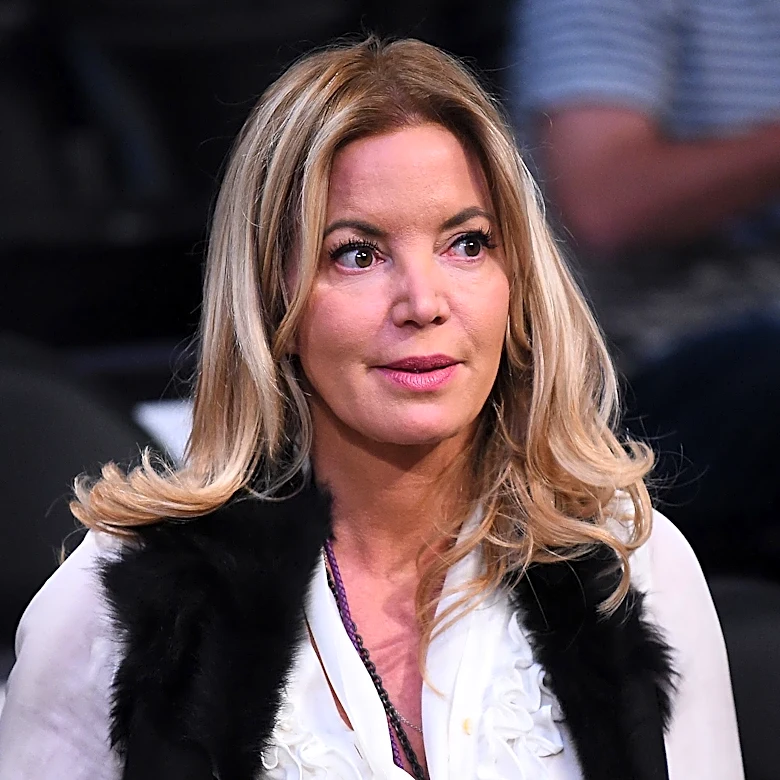
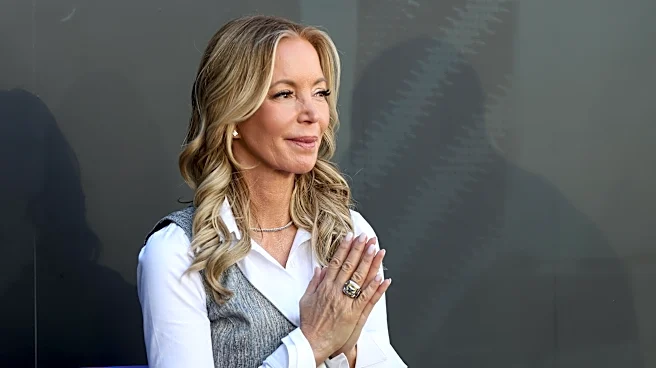
Five of the Buss siblings—Jim, Johnny, Janie, Jesse, and Joey Buss—have reaffirmed their intention to sell their collective 17.8% share of the Los Angeles Lakers, despite a legal challenge from their sister, Jeanie Buss. This announcement comes a day
after Jeanie, the Lakers' governor, issued a letter through her attorney declaring any such sale 'void.' The siblings' statement, released via ESPN's Shams Charania, emphasizes their unity in the decision to sell and their respect for potential buyers Bob Iger and Josh Kushner, believing they will honor the franchise's legacy. The Buss family's ownership structure stems from their father, Jerry Buss, who left his 66% majority stake equally to his six children upon his death in 2013. Jeanie Buss became the team governor. The family previously sold their majority share to Mark Walter in 2025, who then agreed to sell his share to Iger and Kushner. If the sale of the remaining 17.8% stake proceeds, Jeanie Buss would lose her position as team governor, as NBA rules require a minimum 15% ownership stake for the role.
Why It's Important?
This ongoing dispute among the Buss siblings has significant implications for the ownership and future direction of the Los Angeles Lakers, one of the NBA's most iconic franchises. The potential sale of the remaining family stake could lead to a complete change in the team's controlling ownership, ending decades of Buss family stewardship. Jeanie Buss's potential loss of her governorship would mark a major shift in the team's leadership, impacting decision-making processes, particularly concerning the front office and team strategy. The Lakers have experienced a period of instability and underperformance since Jerry Buss's death, missing the playoffs in seven of the last 13 seasons and securing only one NBA title. A new ownership group, led by Iger and Kushner, could bring a fresh vision and potentially new management, which might be seen as either a necessary change or a departure from the team's historical identity. The legal battle also highlights the complexities of family-owned businesses, especially when significant assets and public profiles are involved, and could set precedents for similar disputes in professional sports.
What's Next?
The immediate next step involves the legal challenge initiated by Jeanie Buss. Her attorney argues that the sale cannot be effectuated without the approval of the current co-trustees, which include Jeanie, Janie, and Joey Buss. The resolution of this legal question—whether all three trustees must agree or if a majority decision suffices—will be crucial. If the sale proceeds, Jeanie Buss will lose her role as team governor, and the Lakers will operate under a new ownership structure. This could lead to further changes within the team's front office and management, as new owners often seek to implement their own vision. The Lakers are currently under pressure to optimize their roster and compete for championships, especially following the departure of LeBron James. The outcome of this ownership dispute will undoubtedly influence the team's ability to attract talent, make strategic decisions, and ultimately, its performance on the court. The situation also underscores the potential for continued infighting within the Buss family, which has been a recurring theme since Jerry Buss's passing.
Beyond the Headlines
The Buss family feud over the Lakers' ownership transcends a simple business transaction; it delves into the legacy and emotional attachment associated with a storied sports franchise. The Lakers have been more than just a basketball team to the Buss family and the city of Los Angeles, representing a significant cultural institution. The dispute highlights the challenges of transitioning ownership in family enterprises, particularly when personal relationships and differing visions for the future collide. The potential complete divestment of the Buss family's stake could alter the team's identity and connection to its past, raising questions about how new ownership will balance commercial interests with the preservation of the franchise's heritage. This situation also reflects a broader trend in professional sports where teams are increasingly viewed as valuable assets, attracting high-profile investors and leading to complex ownership structures. The outcome could serve as a case study on the delicate balance between family legacy, business strategy, and the evolving landscape of sports ownership in the U.S.