





What's Happening?
FishUSA has released a comprehensive guide detailing optimal gear setups for crappie fishing, aiming to enhance anglers' success rates. The guide emphasizes the importance of selecting the right rod, reel, line, and terminal tackle to adapt to various
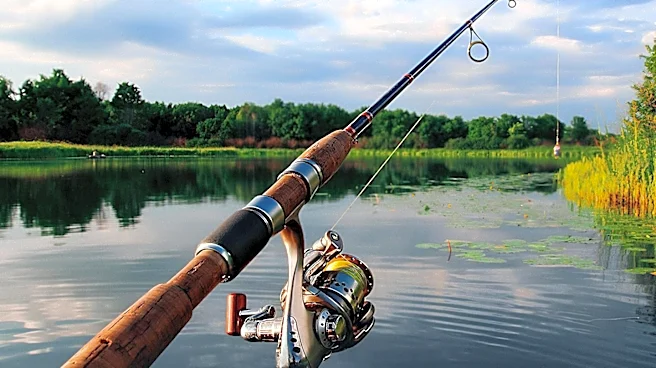
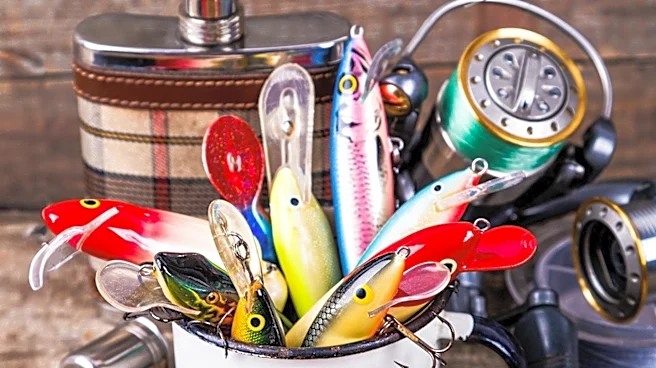
fishing scenarios. For crappie, a light or ultralight spinning rod, typically 6 to 7 feet long, is recommended for its balance of casting distance, sensitivity, and control. For specialized techniques like spider rigging, longer rods (10 to 14 feet) are suggested to spread baits and cover more water. Reels should be spinning models in sizes 1000 to 2500 with a smooth drag system. The guide also specifies using light fishing lines, ranging from 2- to 6-pound test, with monofilament being a versatile option, fluorocarbon offering low visibility, and light braided line providing high visibility and sensitivity, often paired with a fluorocarbon leader. Terminal tackle recommendations include small Aberdeen or octopus hooks in sizes 4 to 8, and jigs from 1/32 to 1/8 ounce, with color choices varying based on water clarity.
Why It's Important?
This detailed guide from FishUSA is significant for the U.S. recreational fishing industry and its enthusiasts. By providing clear, actionable advice on crappie fishing gear, it can lead to increased participation and satisfaction among anglers. Improved success rates can boost sales of fishing equipment, bait, and related accessories, benefiting manufacturers, retailers, and local tackle shops across the country. The emphasis on specific gear types and techniques also encourages anglers to invest in specialized equipment, potentially driving innovation in fishing tackle design. Furthermore, by making crappie fishing more accessible and rewarding, the guide supports the broader outdoor recreation economy, which contributes significantly to local economies through tourism, guide services, and related expenditures. Anglers, particularly those new to crappie fishing, stand to gain from the practical tips, leading to more enjoyable and productive outings.
What's Next?
Following the publication of this guide, it is anticipated that anglers will increasingly adopt the recommended gear setups and techniques. Fishing equipment manufacturers and retailers may see a surge in demand for specific rods, reels, lines, and terminal tackle highlighted in the guide. Educational workshops and online tutorials based on these recommendations could become more prevalent, further disseminating best practices among the fishing community. Additionally, the guide's focus on adapting gear to conditions might encourage more nuanced approaches to fishing, potentially leading to a more skilled and knowledgeable angler base. The success of these recommendations could also prompt FishUSA and similar entities to release further specialized guides for other popular fish species, continually refining and improving fishing practices across the U.S.
Beyond the Headlines
Beyond the immediate impact on gear sales and angler success, this type of detailed educational content contributes to a broader cultural appreciation for responsible and effective fishing practices. By demystifying the technical aspects of fishing, it can attract new participants to the sport, fostering a connection with nature and promoting outdoor activities. The guide implicitly encourages a more thoughtful approach to fishing, where understanding fish behavior and environmental conditions is as crucial as the equipment itself. This can lead to a more sustainable fishing culture, as informed anglers are often more likely to adhere to conservation practices. Moreover, the continuous refinement of fishing techniques and gear, as exemplified by this guide, reflects a deeper engagement with the sport, transforming it from a simple pastime into a pursuit that combines skill, knowledge, and respect for aquatic ecosystems.