




What's Happening?
Pelaris, an adaptive AI fitness coaching platform, is offering a new system designed for individuals training across multiple sports, including running, swimming, and other disciplines. The platform creates structured, periodized programs tailored to
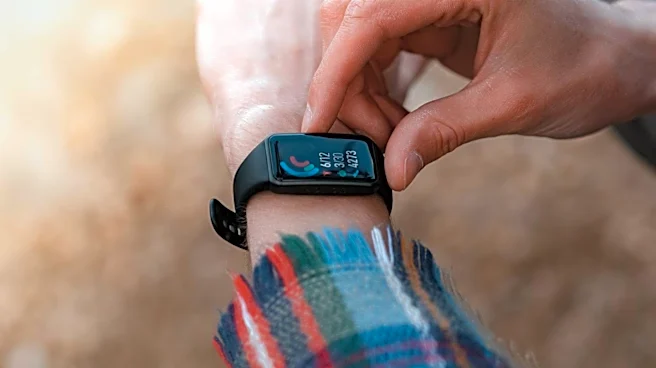
an athlete's goals and dynamically adjusts them based on real-time data. This data includes completed sessions, readiness levels, sleep patterns, feedback, injuries, and changes in schedule. Pelaris integrates with popular health and fitness tracking services such as Apple Health, Health Connect, Strava, Polar, and Garmin Connect, and can send planned workouts directly to Garmin devices. The system aims to provide personalized training that evolves with the user's progress and life circumstances, moving beyond static training templates to offer smarter recovery management and a balanced approach to strength and endurance.
Why It's Important?
The introduction of adaptive AI coaching platforms like Pelaris signifies a shift in how personalized fitness training is delivered, particularly for multi-sport athletes in the U.S. This technology democratizes access to highly individualized training plans that were once primarily available through expensive one-on-one coaching. By continuously adapting to an athlete's performance, fatigue, and readiness, the platform can help prevent overtraining and injuries, which are common concerns for dedicated athletes. For U.S. consumers, this means a more efficient and potentially safer path to achieving fitness goals, as the system learns from their real training data rather than relying on generic plans. The integration with widely used fitness trackers also enhances convenience and data accuracy, making it easier for athletes to manage their training across various devices and activities.
What's Next?
The continued development and adoption of AI-driven fitness platforms are expected to expand, offering increasingly sophisticated and personalized training experiences. Pelaris's approach of real-time adaptation based on a comprehensive set of personal data points suggests a future where fitness coaching is seamlessly integrated into daily life. As more athletes and fitness enthusiasts recognize the benefits of adaptive training, similar platforms may emerge, leading to greater competition and innovation in the digital fitness market. The emphasis on preventing burnout and optimizing recovery could also influence broader trends in sports science and public health, promoting more sustainable and effective exercise routines for a wider population.
Beyond the Headlines
The rise of adaptive AI fitness coaching raises deeper questions about the role of technology in personal well-being and the future of human-led coaching. While AI offers unparalleled data analysis and real-time adjustments, the human element of motivation, empathy, and nuanced understanding of an athlete's psychological state remains a unique contribution of human coaches. The ethical implications of data privacy and the potential for over-reliance on algorithms for health decisions will also become more prominent as these technologies advance. Furthermore, the accessibility of such platforms could widen the gap between those who can afford advanced technological tools for fitness and those who cannot, potentially exacerbating existing health disparities. The long-term impact on athletic development and the definition of 'mastery' in sports, where AI plays a significant role, will be an evolving discussion.