




What's Happening?
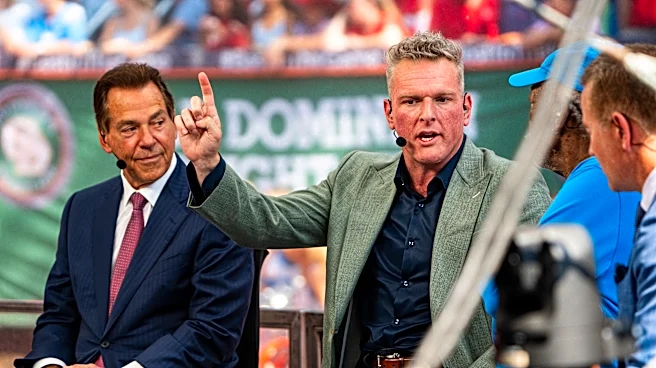
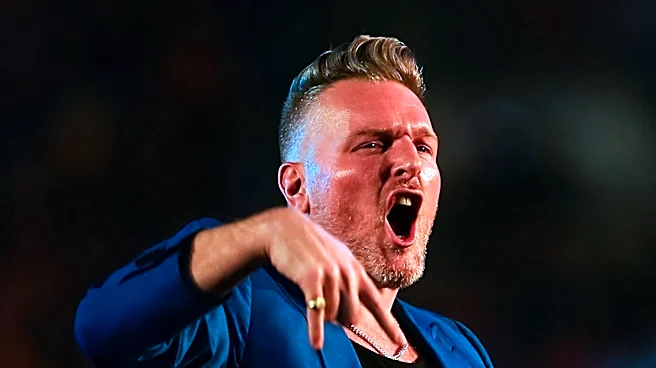
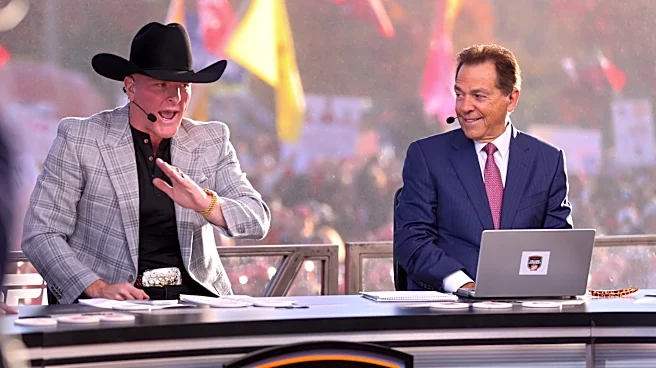
Pat McAfee is facing criticism for his public handling of safety concerns following ESPN's 'College GameDay' trip to Utah. McAfee disclosed receiving daily threats and an FBI recommendation to consider wearing a bulletproof vest during college-campus
appearances, particularly after a fatal shooting at Utah Valley University in September 2025. He expressed discomfort with the University of Utah stop, citing a student video that mocked him. However, former Barstool Heartland employee Jeff Vibbert, known as 'Vibbs,' accused McAfee of developing a 'victim mentality,' stating McAfee 'can't take it' despite dishing it out. Vibbert, who worked with McAfee, described McAfee's paranoia as inherent to his personality and viewed the student comments as typical college teasing rather than serious threats. Another podcast panelist, Kelly Keegs, questioned the sincerity of McAfee's safety concerns, noting his habit of removing his shirt on air despite claiming to fear for his life.
Why It's Important?
This controversy highlights the complexities of public figures managing personal safety concerns while maintaining a public persona. McAfee's candidness about threats and FBI recommendations brings attention to the real dangers faced by media personalities, especially in highly charged public environments like college campuses. However, the criticism from former colleagues suggests a perception gap regarding how these concerns are communicated and perceived. The debate touches on the authenticity of McAfee's on-air persona versus his expressed vulnerabilities, potentially impacting his credibility with some segments of his audience. For ESPN, managing the safety of its high-profile talent while navigating public perception is crucial. The incident also underscores the challenges of interpreting online interactions and student behavior, distinguishing between playful teasing and genuine threats, in an era of heightened security awareness.
What's Next?
The debate surrounding Pat McAfee's safety concerns and his public reaction is likely to continue, influencing how he is perceived by both his audience and media colleagues. McAfee may continue to address these issues on his show, potentially offering further explanations or responses to his critics. ESPN will likely maintain heightened security protocols for McAfee's appearances, especially at college campuses, given the FBI recommendations. The incident could also prompt broader discussions within media organizations about how to best support talent facing threats and how to manage their public communication regarding such sensitive issues. The ongoing dialogue may shape future interactions between McAfee and college student bodies, as well as influence how other public figures choose to address personal safety in their professional lives.
Beyond the Headlines
This situation delves into the broader implications of public figures' vulnerability in the digital age and the scrutiny they face when expressing personal fears. The 'victim mentality' accusation against McAfee raises questions about societal expectations for public figures to maintain a stoic front, even when facing genuine threats. It also highlights the double-edged sword of an 'energetic' and 'unfiltered' persona; while it can build a strong connection with fans, it can also invite intense criticism and scrutiny when the individual expresses vulnerability. The incident also touches on the ethical responsibility of media outlets and universities in managing content that could incite negative reactions towards individuals. This ongoing discussion reflects a societal struggle to balance free expression, personal safety, and the often-harsh realities of public life in the modern media landscape.