




What's Happening?
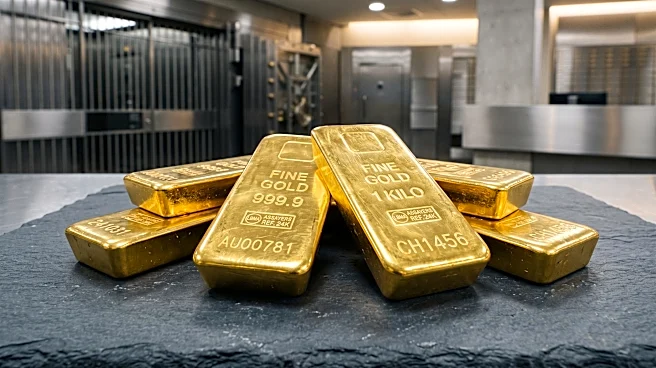
As of November 12, 2026, the spot price of gold has been recorded at $3,890.79 per ounce at 9:00 a.m. ET, according to CNBC's Gold/US Dollar Spot Price. This figure represents a slight decrease from the previous day's price of $4,037.72 per ounce. Gold is traditionally
considered a safe-haven asset, attracting investors during periods of economic and political instability due to its reliability as a store of value and a hedge against inflation. Despite its benefits, gold investments do not typically yield dividends. Investors have several avenues for adding gold to their portfolios, including purchasing physical gold in the form of bullion or coins, opening a gold IRA, or investing in gold exchange-traded funds (ETFs). Physical gold can be acquired from dealers like APMEX and JM Bullion, and even major retailers such as Costco and Walmart. Gold IRAs offer tax benefits and secure storage through IRS-approved refineries and custodians, though they come with setup and management fees. Gold ETFs track the price of gold, with some directly investing in physical bullion and others in mining companies.
Why It's Important?
The current decline in gold prices, while seemingly minor, highlights the dynamic nature of safe-haven assets in the U.S. financial landscape. Gold's role as a hedge against inflation and market volatility makes its price movements significant for investors seeking portfolio diversification and stability during uncertain times. The accessibility of gold investment through various channels, from physical purchases to IRAs and ETFs, underscores its enduring appeal. For individual investors, understanding these options is crucial for strategic financial planning. The fees associated with gold IRAs and the liquidity challenges of physical gold are important considerations that can impact overall returns and investment flexibility. The performance of gold can also serve as an indicator of broader economic sentiment, with price increases often reflecting heightened investor anxiety about the economy or geopolitical events. Therefore, fluctuations in gold prices can influence investment strategies across different asset classes, affecting both institutional and retail investors.
What's Next?
Investors will likely continue to monitor gold prices closely, especially given its role as a safe-haven asset. The methods of investing in gold, such as physical gold, gold IRAs, and ETFs, will remain relevant for those looking to diversify their portfolios. For those considering physical gold, planning for secure storage and understanding the liquidation process will be key. Individuals interested in gold IRAs will need to evaluate the associated fees and account minimums from providers like Goldco, American Hartford Gold, and Birch Gold Group. The performance of gold ETFs, available through platforms like Schwab and Fidelity, will also be a focus for investors seeking exposure to gold without the complexities of physical ownership. Future economic and political developments will undoubtedly influence gold's trajectory, potentially leading to further price fluctuations as investors react to changing market conditions and seek to protect their wealth.
Beyond the Headlines
The persistent interest in gold, even with its price fluctuations, points to deeper psychological and historical underpinnings of investment behavior. Gold's intrinsic value, perceived scarcity, and historical role as a medium of exchange contribute to its enduring appeal beyond mere financial metrics. The shift towards more accessible investment vehicles like gold ETFs and IRAs reflects a broader trend in democratizing investment opportunities, allowing a wider range of individuals to participate in markets traditionally dominated by institutional investors. However, this accessibility also brings challenges, such as the need for robust investor education regarding fees, storage, and liquidity. The ongoing debate about gold's effectiveness as a long-term investment versus its role as a short-term hedge against crises will continue to shape its market dynamics. Furthermore, the environmental and ethical considerations associated with gold mining, though not explicitly mentioned, are increasingly becoming part of the broader investment discourse, influencing responsible investment practices.