




What's Happening?
Hawai'i is actively promoting 'voluntourism,' a travel model that combines tourism with volunteering, to encourage sustainable travel and support conservation efforts across the islands. This initiative aims to mitigate the environmental impact of increased
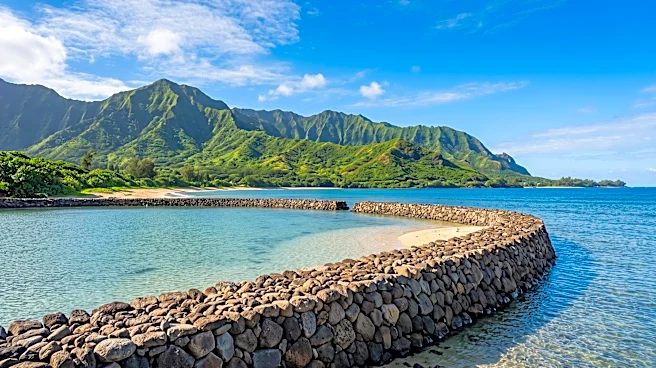
tourism, which has led to damage from foot traffic and litter in many popular spots. The Mālama Hawaiʻi Program, a collaboration between Kanu Hawaiʻi, the Hawaiʻi Tourism Authority, and the Hawaiʻi Visitors and Convention Bureau, serves as a central resource for visitors to find volunteer opportunities. These opportunities include beach cleanups, native tree planting, and fishpond restoration. Other organizations like 808 Cleanups, Waipā Foundation, Mālama Maunalua, Protect and Preserve Hawaiʻi, Koʻolau Mountains Watershed Partnership, Aloha Tree Alliance, Kuleana Coral Restoration, and Kākoʻo ʻŌiwi are also actively involved in various conservation and cultural preservation projects, offering diverse ways for visitors to contribute. The core philosophy behind this movement is 'mālama ʻāina' (caring for the land) and 'mālama kaiāulu' (caring for the community), encouraging travelers to leave the destination better than they found it.
Why It's Important?
The emphasis on voluntourism in Hawai'i is significant as it addresses the growing concern over the environmental degradation caused by mass tourism. By integrating volunteer work into travel experiences, Hawai'i aims to foster a more responsible and sustainable tourism industry. This approach not only helps preserve the islands' natural beauty and cultural heritage but also provides visitors with a deeper, more meaningful connection to the local community and environment. For the tourism industry, it represents a shift towards regenerative tourism, potentially attracting a segment of travelers who prioritize ethical and impactful experiences. Local communities stand to benefit from the direct support in conservation and restoration projects, which are crucial for maintaining ecological balance and cultural practices. Furthermore, it educates visitors on the importance of environmental stewardship, potentially influencing their behavior beyond their trip to Hawai'i. This model could serve as a blueprint for other popular tourist destinations facing similar environmental challenges.
What's Next?
The Mālama Hawaiʻi Program and its partner organizations are expected to continue expanding their volunteer opportunities and outreach efforts to attract more visitors. Future initiatives may include developing more structured voluntourism packages offered by tour operators and accommodations, making it easier for tourists to participate. There could also be increased collaboration with educational institutions to integrate voluntourism into study abroad programs or experiential learning trips. The success of these programs will likely be measured by the tangible environmental improvements, such as reduced litter, increased native plant populations, and healthier marine ecosystems, as well as by visitor engagement and satisfaction. Continued promotion through tourism boards and travel influencers will be crucial to raise awareness and encourage participation. The long-term goal is to embed the principles of 'aloha' and 'mālama ʻāina' into the standard visitor experience, transforming tourism into a force for positive change.
Beyond the Headlines
Beyond the immediate environmental benefits, Hawai'i's voluntourism movement highlights a broader societal shift towards conscious consumerism and ethical travel. It challenges the traditional model of tourism, which often prioritizes leisure and consumption over responsibility and contribution. This approach could lead to a re-evaluation of how destinations manage tourism, potentially inspiring policies that mandate or incentivize visitor participation in conservation efforts. Ethically, it promotes the idea that travelers have a responsibility to the places they visit, moving beyond mere enjoyment to active stewardship. Culturally, it reinforces indigenous values of interconnectedness with nature and community, offering a pathway for cultural exchange that is respectful and reciprocal. In the long term, this could foster a global movement where travel is intrinsically linked with positive impact, leading to more resilient ecosystems and stronger local communities worldwide.