


What's Happening?
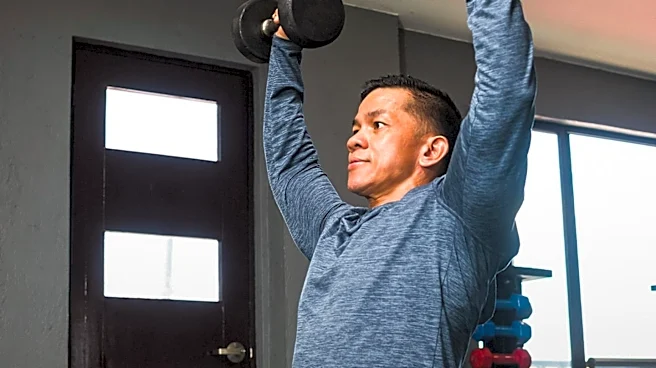
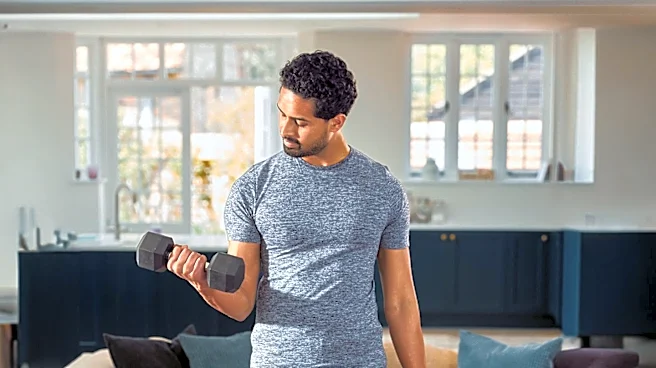
A new dumbbell-only workout plan has been introduced, designed to build muscle using just a pair of dumbbells and, ideally, an adjustable bench. This program is structured for three full-body sessions per week, specifically on Monday, Wednesday, and Friday,
with each session comprising 21 sets and lasting approximately 50-60 minutes. The plan is suitable for individuals ranging from beginner to intermediate fitness levels. It emphasizes that muscle growth can be achieved through hard sets taken close to failure, sufficient weekly volume, and progressive overload, all of which dumbbells can facilitate. Research cited, including a 2023 meta-analysis, indicates no significant difference in muscle growth between free weights and machines. Furthermore, light and heavy loads have been shown to build similar amounts of muscle when sets are taken to failure. The program also addresses the effectiveness of one-arm and one-leg exercises for muscle gain, noting that a 2025 meta-analysis found no difference between unilateral and bilateral training.
Why It's Important?
This workout plan is significant for individuals seeking effective strength training solutions without needing access to a full gym or a wide array of equipment. Its focus on dumbbells makes it highly accessible for home workouts, which has become increasingly relevant in contemporary lifestyles. The plan's reliance on scientific meta-analyses to support its methodology, such as the findings on training frequency and proximity to failure, lends credibility and assures users of its potential effectiveness. By demonstrating that substantial muscle growth is achievable with minimal equipment, it democratizes strength training, making it feasible for a broader demographic. This approach can help individuals maintain or improve their physical health, potentially reducing healthcare costs associated with sedentary lifestyles and promoting overall well-being. The flexibility to adapt exercises for those without a bench further enhances its utility, ensuring that more people can participate regardless of their home setup.
What's Next?
Individuals adopting this dumbbell-only workout plan can expect to follow a structured progression model. The plan advises starting with the heaviest dumbbell that allows for 1-3 reps short of failure within the prescribed rep range. Progression involves double progression, where reps are added at the same weight until the top of the range is reached, followed by an increase in dumbbell weight. When the heaviest available dumbbells become too light, the plan suggests several strategies: increasing the rep target to 15-30 reps, slowing the eccentric (lowering) phase of each rep, performing single-limb variations of exercises, or adding an extra set. If reps drop for two consecutive sessions, a lighter week with half the sets is recommended before resuming. The plan outlines specific weekly set targets for different muscle groups, ensuring comprehensive development.
Beyond the Headlines
The emergence and scientific backing of effective home-based workout plans like this reflect a broader shift in fitness culture towards convenience and accessibility. This trend has ethical implications regarding equitable access to health and wellness resources, as it lowers the barrier to entry for strength training. Culturally, it reinforces the idea that physical fitness is not solely dependent on specialized gym environments but can be integrated into daily life with minimal disruption. Legally, the reliance on scientific studies to validate workout efficacy could set a precedent for fitness programs to be more evidence-based, potentially influencing consumer protection standards in the health and fitness industry. Long-term, such developments could lead to a more physically active population, with positive societal impacts on public health and productivity.