






What's Happening?
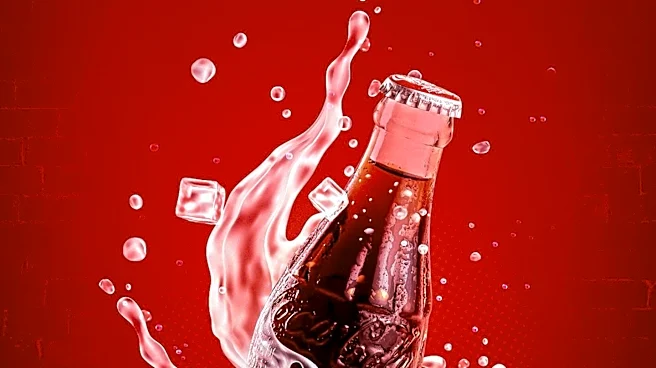
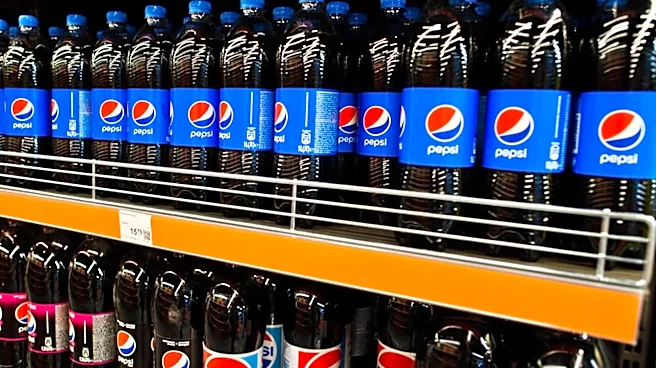
KFC, the fried chicken chain, announced it will replace PepsiCo’s soft drinks with Coca-Cola products across its 3,700 U.S. restaurants starting in January. This decision marks the end of a 40-year partnership between the two companies, which began when
PepsiCo acquired KFC. Although PepsiCo spun off KFC in 1997, the beverage contract remained. This defection, while representing a small portion of PepsiCo's overall sales, is seen as symbolic of the ongoing challenges to Pepsi's brand power. The change means that Coca-Cola will now be served at KFC locations, impacting daily beverage choices for millions of consumers.
Why It's Important?
The loss of KFC's U.S. fountain business to Coca-Cola is a significant blow to PepsiCo, not just in terms of direct sales, but more importantly, in brand visibility and consumer exposure. Fountain deals in fast-food restaurants are crucial marketing channels, offering daily 'taste tests' to a vast customer base. Losing this daily trial at 3,700 restaurants represents a substantial marketing cost that won't appear on the revenue line but will impact long-term brand perception and market share. For Coca-Cola, this acquisition strengthens its dominance in the fast-food beverage market, potentially leading to increased brand loyalty and sales. This shift highlights the intense competition in the beverage industry and the strategic importance of securing distribution channels in high-traffic food service locations.
What's Next?
The transition to Coca-Cola products at KFC restaurants will begin in January, requiring logistical changes for both KFC and its new beverage partner. PepsiCo will likely need to re-evaluate its strategies for securing and retaining fountain contracts in the fast-food sector, especially as its brand power faces ongoing scrutiny. Coca-Cola, on the other hand, will aim to leverage this new partnership to further solidify its market position and potentially pursue similar deals with other restaurant chains. The long-term impact on consumer preferences and brand loyalty for both PepsiCo and Coca-Cola will be closely watched, particularly in the competitive U.S. beverage market.
Beyond the Headlines
This change at KFC reflects a deeper narrative about brand power and the dynamics of corporate relationships. The historical context, where PepsiCo once owned KFC, underscores how even long-standing partnerships can dissolve when strategic alignments shift. The 'fountain deals' are more than just sales; they are critical touchpoints for brand building and maintaining consumer relevance. The defection of a major chain like KFC could signal a broader trend of fast-food establishments re-evaluating their beverage partnerships based on current market conditions, consumer preferences, and competitive offerings. This event serves as a stark reminder that in the highly competitive consumer goods sector, even established brands must continuously fight for their presence in every distribution channel.