





What's Happening?
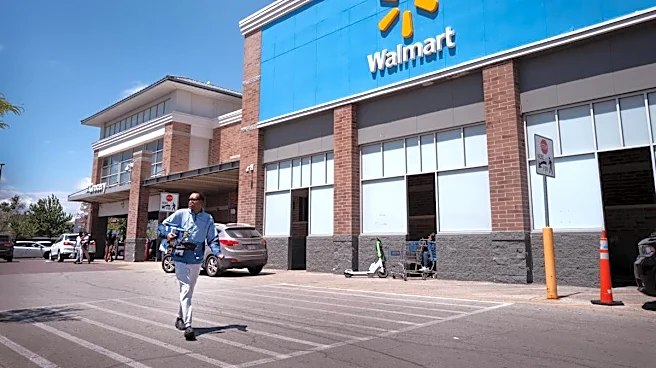
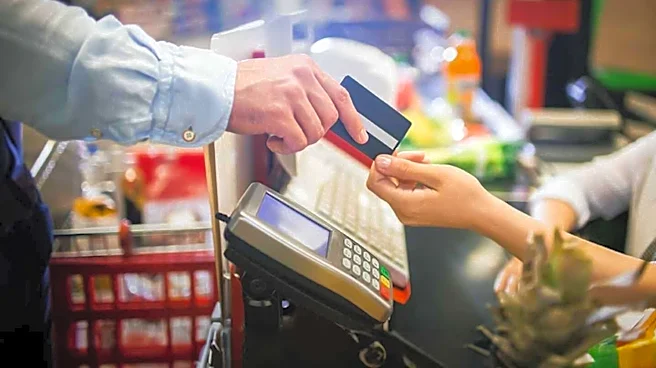
Walmart is introducing tap-to-pay technology in its U.S. stores and Sam's Club locations, offering customers a new contactless payment option. This initiative began on August 24 at select stores and clubs, with a comprehensive rollout planned for all
U.S. locations by the end of 2026. The retail giant also intends to extend tap-to-pay capabilities to its fuel stations by mid-2027. This expansion allows shoppers to use contactless cards, smartphones, and smartwatches for purchases. Walmart's decision aligns with its broader strategy to enhance convenience across its physical and digital retail operations. The company reported a 24% increase in U.S. e-commerce sales and a 26% rise in Sam's Club U.S. e-commerce sales in the second quarter, attributing this growth to customer responsiveness to 'price, speed and convenience,' as stated by Walmart President and CEO John Furner. The new payment method complements existing options like cash, credit cards, and Walmart Pay, and for Sam's Club members, the Scan & Go feature.
Why It's Important?
The integration of tap-to-pay technology by Walmart signifies a significant shift in retail payment methods, impacting both consumer behavior and the competitive landscape. For consumers, it offers increased convenience, speed, and perceived hygiene, potentially reducing checkout times and enhancing the overall shopping experience. This move is particularly relevant in a post-pandemic environment where contactless transactions have gained widespread acceptance. For Walmart, it reinforces its commitment to modernizing its services and catering to evolving customer preferences, which is crucial for maintaining its market leadership. The company's strong e-commerce growth, as highlighted by its second-quarter results, indicates a successful adaptation to digital trends, and tap-to-pay further bridges the gap between online and in-store experiences. This initiative could also influence other major retailers to accelerate their adoption of similar technologies, driving a broader industry trend towards more seamless and diverse payment options. The expansion to fuel stations further extends this convenience, potentially increasing customer loyalty and transaction volume across Walmart's ecosystem.
What's Next?
Walmart plans to systematically roll out tap-to-pay to all its U.S. stores and Sam's Club locations by the end of 2026, followed by its fuel stations by mid-2027. This phased implementation suggests a careful integration process, likely involving staff training and technical adjustments to ensure a smooth transition. Customers can anticipate a gradual increase in the availability of this payment option across different regions. The company will likely monitor customer adoption rates and feedback to refine the service. Furthermore, the introduction of tap-to-pay could lead to increased usage of digital wallets, as customers will be able to add eligible Walmart, Sam's Club, and OnePay cards to their digital payment platforms. This move could also prompt competitors to accelerate their own contactless payment solutions to remain competitive in the evolving retail landscape. The success of this rollout will likely be measured by its impact on customer satisfaction, transaction efficiency, and ultimately, sales growth.
Beyond the Headlines
The widespread adoption of tap-to-pay by a retail giant like Walmart has deeper implications for the future of commerce and financial technology. It accelerates the shift towards a cashless society, potentially reducing reliance on physical currency and traditional card swiping. This could have long-term effects on banking infrastructure, payment processing, and even personal finance management. From a data perspective, increased digital transactions provide Walmart with more granular insights into consumer spending habits, which can be leveraged for personalized marketing and inventory management. However, it also raises questions about data privacy and security, as more personal financial information is digitized. Ethically, the move towards contactless payments could inadvertently disadvantage segments of the population who are unbanked or prefer cash transactions, highlighting a potential digital divide. Culturally, it signifies a growing expectation for instant and seamless interactions in all aspects of daily life, pushing businesses across various sectors to innovate their service delivery models.